Kurt Halner
Kurt and Spiderbolt had been at the doctor's for quite some time already, they had arrived almost immediately after the fight with the dark-goblin and, after a rather large amount of money changed hands, Spiderbolt was placed, on an operating table and the doctor looked at him and grunted. A few hours later the doctor came out of his operating room, a room off to one side of his small apartment, and looked at Kurt. "Whoever this guy is, he's lucky. None of those arrows pierced anything vital, i got them all out and your friend there should be alright once the wounds heal up."
Kurt nodded to the doctor and walked into the room where Spiderbolt was now recovering on an old hospital bed wearing nothing but a paper hospital gown and his mask, his costume folded up neatly on a chair nearby. Looks like the old man kept his promise to not take off the mask. All that was left to do now was wait for the anesthesia to wear off, as he waited Kurt chatted idly with the doctor about heists he had pulled off and the new things he had acquired through rather nefarious means. He knew the doc wouldn't go to anyone with the information, he was the most tight-lipped man in the city, after all, if criminals knew he would blab about who came to his practice and why he'd be out of business and probably dead before sunrise.
Hank McCoy
Hank growled as he stood back up he began walking toward Feraliss and Tyrian. The wolf had gotten in his way, he would kill it too. Hank stopped when he suddenly found himself in a stone cage which molded into a cube and became clear. Diamond. Hank growled, in his feral state he didn't know what this was but he didn't like it and began beating on the walls with his fists, trying to break down whatever was blocking his path. He continued like this for quite some time until he collapsed from exhaustion, his hands swollen and bloody from the attempted escape.
Enso Member
- Last Seen: MIA
- Joined: 12 yrs ago
- Posts: 414 (0.09 / day)
- VMs: 0
-
Username history
- Enso 12 yrs ago
Status
User has no status, yet
Bio
User has no bio, yet
Most Recent Posts
That's fine, you have a spot reserved for you whenever you have a CS ready just PM it to me.
The OOC is up here.
This thread is for accepted characters only. The OOC (and character sheet) can be found here. If you want to join this RP message me your character sheet and if I accept it post it in this thread.
My Character:
Name: Jean Belrose
Age: 35
Gender: Male
Country of Origin: Canada
Appearance: Link
Personality: Jean is laid back, very friendly and fun-loving but when shit hits the fan he becomes serious and cold, doing whatever it takes to keep his people alive.
Training: Officer training (Canadian armed forces), platform pilot training, advanced survival training (standard in Canadian armed forces basic training, particular focus on desert and tundra survival), assault rifle training
Equipment: Primary: Assault Rifle, Secondary: Pistol, Other: MCU control pad
History: Jean had a normal childhood with nothing notable happening during his early or teen years. When he turned 18 he followed in his father's footsteps and joined the Canadian army, going through basic training and signing on for a three year service contract. After his three years were up he joined the officer training program and received a four year degree in administration that allowed him to become an officer. After receiving his degree he underwent optional platform training and became the commanding officer of a platform division at the age of 29, he did this for six years before being nominated as the leader of the expedition to LP-301a. He was running against 300 other nominees from 80 other countries and came out on top.
Platform Type: Two
Primary Weapon: Machine gun
Secondary Weapon: Machine gun
My Character:
Name: Jean Belrose
Age: 35
Gender: Male
Country of Origin: Canada
Appearance: Link
Personality: Jean is laid back, very friendly and fun-loving but when shit hits the fan he becomes serious and cold, doing whatever it takes to keep his people alive.
Training: Officer training (Canadian armed forces), platform pilot training, advanced survival training (standard in Canadian armed forces basic training, particular focus on desert and tundra survival), assault rifle training
Equipment: Primary: Assault Rifle, Secondary: Pistol, Other: MCU control pad
History: Jean had a normal childhood with nothing notable happening during his early or teen years. When he turned 18 he followed in his father's footsteps and joined the Canadian army, going through basic training and signing on for a three year service contract. After his three years were up he joined the officer training program and received a four year degree in administration that allowed him to become an officer. After receiving his degree he underwent optional platform training and became the commanding officer of a platform division at the age of 29, he did this for six years before being nominated as the leader of the expedition to LP-301a. He was running against 300 other nominees from 80 other countries and came out on top.
Platform Type: Two
Primary Weapon: Machine gun
Secondary Weapon: Machine gun
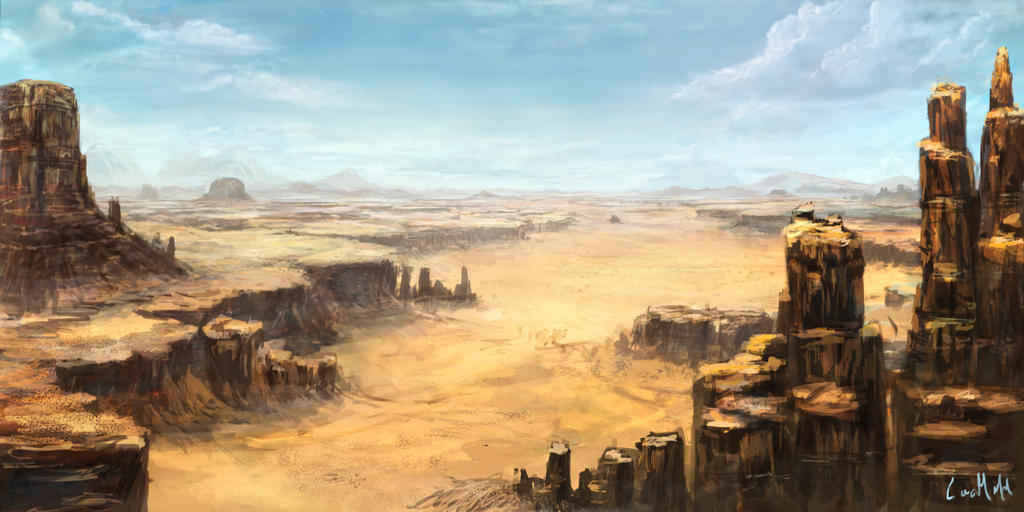
Ten years ago earth's first colony in another star system was attacked. The message was cut short before we could learn who, or what, was attacking our colony. All we know is that whatever happened it was bad enough that they had tried to evacuate the colony for one of their advanced scouting camps. We don't know if they succeeded but your mission is to find out and potentially evacuate the colony if need be. You will be put into cryosleep for the duration of the ship and woken up when it arrives in orbit around the planet, LP-301a, in ten years.
Accepted Characters
Rules
Character Sheet
Name:
Age: (before being in cryosleep for 10 years. minimum of 20)
Gender:
Country of Origin:
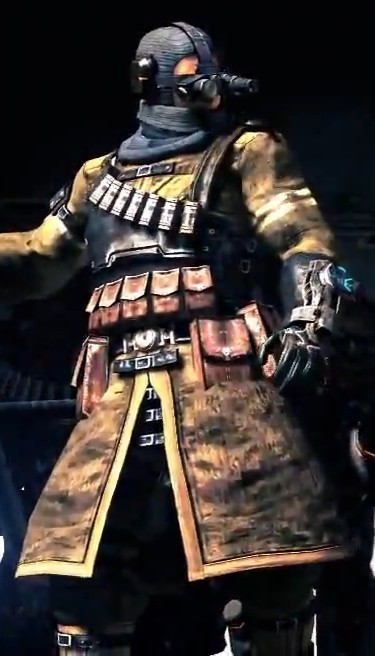
Appearance: (Picture or description)
Personality:
Training: (Engineering degree, platform pilot, assault rifle training, etc.)
Equipment: (Primary weapon, secondary weapon and any other notable equipment that they will have with them.)
History:
Platform Sheet
(Only fill this out if you want a platform)
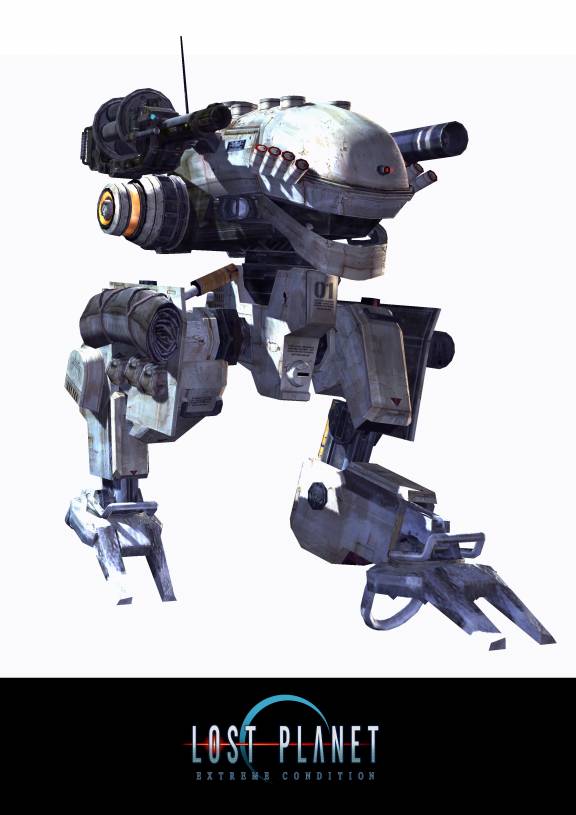
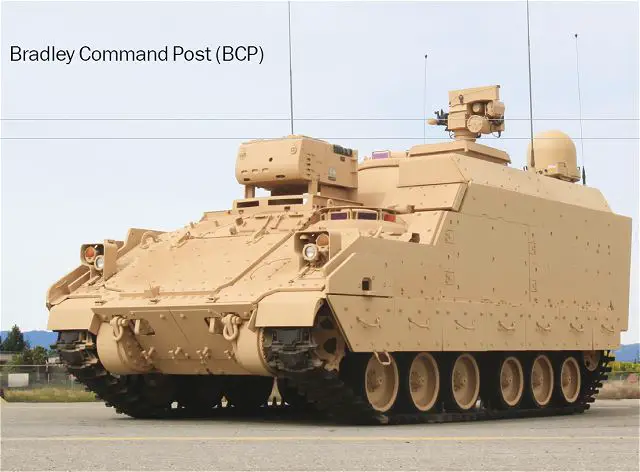
Platform Type: (Type one or two shown above but don't worry as the story progresses you can upgrade your platform or build/find a new better one)
Primary Weapon: (Machine guns are the only weapons available early on but later you can get long range rifles, rocket launchers, etc.)
Secondary Weapon: (Same types as primary can be picked)
Please do not post your character sheet in the OOC, PM them to me and when I accept them post them in the accepted characters thread here.
Accepted Characters



Rules
- No godmodding, pretty simple, your character can't be totally indestructible or infallible.
- No metagaming or any of that omnipotence nonsense. Your character doesn't know everything you do
- No controlling another person's character without permission (duh)
- Keep romance pg-13 anything higher can be done in PMs
- Limit of one character per person (subject to change based on interest)
- Posts should be a minimum of one paragraph per character
- There is a posting order to make sure nobody gets left out but if the person that is supposed to post before you hasn't posted within 3 hours you can break the posting order
Character Sheet
Name:
Age: (before being in cryosleep for 10 years. minimum of 20)
Gender:
Country of Origin:
Appearance: (Picture or description)
Personality:
Training: (Engineering degree, platform pilot, assault rifle training, etc.)
Equipment: (Primary weapon, secondary weapon and any other notable equipment that they will have with them.)
History:
Platform Sheet
(Only fill this out if you want a platform)
Platform Type: (Type one or two shown above but don't worry as the story progresses you can upgrade your platform or build/find a new better one)
Primary Weapon: (Machine guns are the only weapons available early on but later you can get long range rifles, rocket launchers, etc.)
Secondary Weapon: (Same types as primary can be picked)
Please do not post your character sheet in the OOC, PM them to me and when I accept them post them in the accepted characters thread here.
So that's one vote for the super-powered retirement home. I was hoping for that, I liked that idea.
That's sort of what I had in mind actually. The government builds a retirement home for superheroes and supervillains and then stuffs them all in there. Everyone still has their powers, just maybe less powerful or less reliable (for example cyclops from X-men is losing his eye-sight so his lasers are now more akin to really bright flashlights or spider-man has arthritis so his wall-crawling is either really slow or he gets stuck sometimes), and they all still have old grudges and habits so you might have Von Doom running around building evil robots out of kitchen appliances and unleashing them on the nursing staff or something.
I watched the movie "the incredibles" with the family today and had a couple ideas for some RPs that might be fun to try. The first is about superhero homelife and the second is a retirement home for the super-powered.
The first idea is rather serious and was basically taken right out of the incredibles, two superheroes fall in love, get married and decide they want a family, so they retire from the life and finally settle down in suburbia and get day-jobs, have a few kids and try to live a normal life despite the fact that both they and their kids have superpowers and they have to hide them from their friends and neighbors.
The second one more light-hearted and would hopefully end up being a comedic RP rather than a serious one and is exactly what it sounds like, all the super heroes and villains have gotten old and retired, in response to this the government has set up a retirement home for the super-powered. All the heroes and villains retained their powers but are older and are retired, living together in a retirement community built exclusively for them in Florida.
Do either of these ideas sound interesting to anyone? I thought they might be fun to try for a while and if they're good we keep going and if they get boring we let them die.
The first idea is rather serious and was basically taken right out of the incredibles, two superheroes fall in love, get married and decide they want a family, so they retire from the life and finally settle down in suburbia and get day-jobs, have a few kids and try to live a normal life despite the fact that both they and their kids have superpowers and they have to hide them from their friends and neighbors.
The second one more light-hearted and would hopefully end up being a comedic RP rather than a serious one and is exactly what it sounds like, all the super heroes and villains have gotten old and retired, in response to this the government has set up a retirement home for the super-powered. All the heroes and villains retained their powers but are older and are retired, living together in a retirement community built exclusively for them in Florida.
Do either of these ideas sound interesting to anyone? I thought they might be fun to try for a while and if they're good we keep going and if they get boring we let them die.
GG was gone for a while and should be back soon but I have no idea what happened to the others.
Anybody have any name suggestions for the RP? I'm getting ready to put up an OOC but I can't think of a name.
© 2007-2026