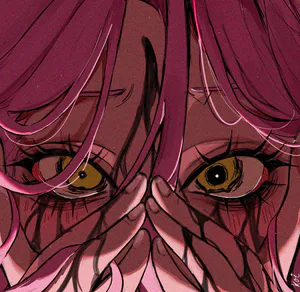
The house was already dying.
Smoke curled low along the ceiling, stinging Nathaniel Edgeworth’s eyes as he ran. The floorboards beneath his boots groaned in protest, each step echoing too loudly in the narrow hallway as he clutched the papers tighter against his chest. Schematics, notes, margins crowded with hurried handwriting—proof of a lifetime’s work compressed into a sheaf of trembling pages.
He could hear them behind him. The sound of men who believed the night was already won. “Nathaniel!” someone called. “This doesn’t have to end badly.”
He turned the corner too fast. His shoulder slammed into the wall, pain flaring bright and sharp, but he didn’t stop. The heat was unbearable now, licking up the walls, devouring the curtains he’d hung himself years ago. He could smell burning paper somewhere nearby and felt a spike of cold terror cut through the haze.
Then the gunshot rang out.
The sound cracked through the house like a final verdict. Nathaniel’s breath left him in a broken gasp as the force threw him forward. The papers flew from his arms, scattering across the floor in a white, fluttering arc. Some slid into shadow, others instantly kissed by sparks and flame. He hit the ground hard, palms scraping uselessly against the wood as warmth spread beneath him, far too fast to be fire.
His vision blurred, smoke filled his lungs, and somewhere distant glass shattered as the fire took another room.
By the time the fire engines screamed into the night, red lights painting Edgeworth Manor in frantic color, there was nothing left to save. They found him sprawled in the hall, body already cooling, the house collapsing inward around him. No weapon was found, no papers were left behind, only a man declared dead by smoke inhalation and structural failure.
An accident, the report would say.
A tragedy.
—
Present day.
The file hit the desk with a dull, dusty thud.
“Edgeworth Manor,” the senior journalist said, fingers lingering on the stack as if weighing its worth. “Burned down just shy of a century ago. Owner died inside. No surviving family. Case closed before anyone asked the right questions.”
The folder was thick. Almost too thick for a simple house fire. Black-and-white photographs spilled out when it was opened: charred beams, warped staircases, a single hallway frozen in ruin. Nathaniel Edgeworth stared back from an attached portrait, unsmiling, eyes sharp and thoughtful beneath neatly combed hair.
“Senior civil engineer,” the journalist continued. “Supposedly on the brink of something big when he died. Government contracts. Private consultations. Then, poof.” A small, humorless gesture. “Gone.” They slid an additional envelope across the desk. “Anniversary’s coming up. Someone out there wants answers badly enough to bankroll three months of your time. Travel, access, whatever you need.” They paused their words, a look of uncertainty before continuing. “Anonymous sponsor. Only condition is that anything you find about Edgeworth’s work—anything at all—comes back to them.”
Smoke curled low along the ceiling, stinging Nathaniel Edgeworth’s eyes as he ran. The floorboards beneath his boots groaned in protest, each step echoing too loudly in the narrow hallway as he clutched the papers tighter against his chest. Schematics, notes, margins crowded with hurried handwriting—proof of a lifetime’s work compressed into a sheaf of trembling pages.
He could hear them behind him. The sound of men who believed the night was already won. “Nathaniel!” someone called. “This doesn’t have to end badly.”
He turned the corner too fast. His shoulder slammed into the wall, pain flaring bright and sharp, but he didn’t stop. The heat was unbearable now, licking up the walls, devouring the curtains he’d hung himself years ago. He could smell burning paper somewhere nearby and felt a spike of cold terror cut through the haze.
Then the gunshot rang out.
The sound cracked through the house like a final verdict. Nathaniel’s breath left him in a broken gasp as the force threw him forward. The papers flew from his arms, scattering across the floor in a white, fluttering arc. Some slid into shadow, others instantly kissed by sparks and flame. He hit the ground hard, palms scraping uselessly against the wood as warmth spread beneath him, far too fast to be fire.
His vision blurred, smoke filled his lungs, and somewhere distant glass shattered as the fire took another room.
By the time the fire engines screamed into the night, red lights painting Edgeworth Manor in frantic color, there was nothing left to save. They found him sprawled in the hall, body already cooling, the house collapsing inward around him. No weapon was found, no papers were left behind, only a man declared dead by smoke inhalation and structural failure.
An accident, the report would say.
A tragedy.
—
Present day.
The file hit the desk with a dull, dusty thud.
“Edgeworth Manor,” the senior journalist said, fingers lingering on the stack as if weighing its worth. “Burned down just shy of a century ago. Owner died inside. No surviving family. Case closed before anyone asked the right questions.”
The folder was thick. Almost too thick for a simple house fire. Black-and-white photographs spilled out when it was opened: charred beams, warped staircases, a single hallway frozen in ruin. Nathaniel Edgeworth stared back from an attached portrait, unsmiling, eyes sharp and thoughtful beneath neatly combed hair.
“Senior civil engineer,” the journalist continued. “Supposedly on the brink of something big when he died. Government contracts. Private consultations. Then, poof.” A small, humorless gesture. “Gone.” They slid an additional envelope across the desk. “Anniversary’s coming up. Someone out there wants answers badly enough to bankroll three months of your time. Travel, access, whatever you need.” They paused their words, a look of uncertainty before continuing. “Anonymous sponsor. Only condition is that anything you find about Edgeworth’s work—anything at all—comes back to them.”