I've finished the basics of my sheet; I intend to add more once I'm clear to throw it in the Characters section.
Slamurai
 Member

- Last Seen: 5 mos ago
- Old Guild Username: Aristocrap
- Joined: 12 yrs ago
- Posts: 2239 (0.49 / day)
- VMs: 7
-
Username history
- Slamurai 6 yrs ago
- █████████ 7 yrs ago
- ██████ 12 yrs ago
-
Latest 10 profile visitors:
-
Most recent →
 AP Ottovan
Status
Recent Statuses
7 yrs ago
Not my own words, but: "Enjoy memes and have a good time online, but develop a solid sense of self-worth that is rooted in a reality that doesn't disappear when the battery charge is empty."
4
likes
7 yrs ago
The spam. It hurts.
1
like
7 yrs ago
Yeah, and you're under arrest, pal.
1
like
Bio
User has no bio, yet
Most Recent Posts
In
Go through the Alphabet before someone posts a My Little Pony Picture
→
11 yrs ago
Forum: Spam Forum
H, as in "Hell's hottest circle is reserved for bronies."
Tribe Name: Sotraeca
Demonym: Sotraecans
Population: Approx. 960
Government Style: At the head of Sotraeca sits the Matriarch, both the administrator and spiritual figure of the tribe. The Matriarch is often, but not always a hereditary position; the law of the tribe decrees that a sorceress, both admired by all and of strong connection to the Gods, is to hold the title. It is common that daughters should surpass mothers as Matriarchs, as the aptitude for sorcery seems to be strong across families.
The Patriarch, husband of the Matriarch, does not govern the day-to-day matters of the tribe, but instead is responsible for all matters of war and hunting. He is expected to be similarly respected among the tribe, and strong in both intellect and body. Patriarchs are chosen by Matriarchs to be their husbands, and it is the dream of most men to be so lucky.
Religious Beliefs: The Sotraecans have been conflicted in matters of religion since the failed invasion of the Ascahara. It is widely accepted that the Ascahara were punished by the Gods; however, the cause of their fury has been debated. Although the Ascahara were to blame, many other tribes’ lands were swallowed up by the sea, as if the Gods were reckless in their judgement. Many Sotraecans feel that the tribes were judged unfairly; others have suggested that the Gods favor the Far Men.
The current Matriarch is one of these skeptics. She has claimed to have visions of “New Gods” that desire the allegiance of Sotraeca, promising mutual benefit for all parties involved. Although a minority is still unsure whether giving up their former Gods is the right thing to do, belief in this new pantheon has permeated most of the tribe.
Location on the Map:
History:
Before the Collapse: "Sotraeca has always been strong among the tribes. Many have tried to put us to the sword, but none have succeeded. Our ancestors founded our tribe through the might of their arms and the wisdom of their Gods. It was plain to all that Sotraeca would be destined for greatness, and when we came to exact vengeance for their misdeeds, our enemies fell beneath our feet. The Ascaharans paid us heed and offered us a place among their armies."
The Voyage: "When the sea swallowed the Ascaharan fleet, many proud Sotraecans were sent to the depths. Not even the Matriarch had foreseen the betrayal of the Gods. We mourned our kin and escaped the mouth of the sea with the other tribes. Some of our counterparts had thought themselves persecuted by the Ascaharans, and they hated us for our allegiance. On the voyage to Exile our ships clashed with many of them, but we prevailed and continued on to our new home."
Into the Future: "Our Matriarch has not let us down. Following her lead, we have carved a new path on Exile and cast down the treacherous Gods that led us astray. Sotraeca has pledged itself to a new pantheon; one that will guide us on our path to ascendancy. We've plenty to eat and drink, and our resources are bountiful. We count among our allies the subhumans of Middle Exile; the ogres and halflings are worthy auxiliaries."
Gallery:
Other: WIP
Demonym: Sotraecans
Population: Approx. 960
Government Style: At the head of Sotraeca sits the Matriarch, both the administrator and spiritual figure of the tribe. The Matriarch is often, but not always a hereditary position; the law of the tribe decrees that a sorceress, both admired by all and of strong connection to the Gods, is to hold the title. It is common that daughters should surpass mothers as Matriarchs, as the aptitude for sorcery seems to be strong across families.
The Patriarch, husband of the Matriarch, does not govern the day-to-day matters of the tribe, but instead is responsible for all matters of war and hunting. He is expected to be similarly respected among the tribe, and strong in both intellect and body. Patriarchs are chosen by Matriarchs to be their husbands, and it is the dream of most men to be so lucky.
Religious Beliefs: The Sotraecans have been conflicted in matters of religion since the failed invasion of the Ascahara. It is widely accepted that the Ascahara were punished by the Gods; however, the cause of their fury has been debated. Although the Ascahara were to blame, many other tribes’ lands were swallowed up by the sea, as if the Gods were reckless in their judgement. Many Sotraecans feel that the tribes were judged unfairly; others have suggested that the Gods favor the Far Men.
The current Matriarch is one of these skeptics. She has claimed to have visions of “New Gods” that desire the allegiance of Sotraeca, promising mutual benefit for all parties involved. Although a minority is still unsure whether giving up their former Gods is the right thing to do, belief in this new pantheon has permeated most of the tribe.
Location on the Map:

History:
Before the Collapse: "Sotraeca has always been strong among the tribes. Many have tried to put us to the sword, but none have succeeded. Our ancestors founded our tribe through the might of their arms and the wisdom of their Gods. It was plain to all that Sotraeca would be destined for greatness, and when we came to exact vengeance for their misdeeds, our enemies fell beneath our feet. The Ascaharans paid us heed and offered us a place among their armies."
The Voyage: "When the sea swallowed the Ascaharan fleet, many proud Sotraecans were sent to the depths. Not even the Matriarch had foreseen the betrayal of the Gods. We mourned our kin and escaped the mouth of the sea with the other tribes. Some of our counterparts had thought themselves persecuted by the Ascaharans, and they hated us for our allegiance. On the voyage to Exile our ships clashed with many of them, but we prevailed and continued on to our new home."
Into the Future: "Our Matriarch has not let us down. Following her lead, we have carved a new path on Exile and cast down the treacherous Gods that led us astray. Sotraeca has pledged itself to a new pantheon; one that will guide us on our path to ascendancy. We've plenty to eat and drink, and our resources are bountiful. We count among our allies the subhumans of Middle Exile; the ogres and halflings are worthy auxiliaries."
Gallery:


Other: WIP
In
Go through the Alphabet before someone posts a My Little Pony Picture
→
11 yrs ago
Forum: Spam Forum
J is for Juveniles, the target audience this show somehow managed to exceed.
I'll stick around for this.
In
Age of Glory - Renassiance-Era RP set in a Pseudo-Europe(Reboot!)
→
11 yrs ago
Forum: Nation Roleplay

"The Great Xiang" / The Kingdom of Xiang
Form of Government: Absolute Monarchy
Describe the System: WIP

Capital: WIP
Important Settlements: WIP
Description: The ethnicity of the majority of peoples inhabiting the Kingdom of Xiang and of its fore-bearers refer to themselves as Huaren. Huaren can be roughly interpreted as illustrious people. The Huaren are not native to the continent of Edoniras; rather, they were first seen along its eastern shores some thousand years ago, in the ages of antiquity. Since that time, they built up a kingdom of their own, and with each new dynasty came new expansions westward.
The Kingdom of Xiang has replaced many of the feudal elements of its fore-bearers with a merit-central basis. The government is propped up by an "intellectual class" selected through examinations and personal recommendation. This civil structure aims to reduce the distortions in power caused by privilege of birth and instead ensure that positions are fulfilled by those most qualified for them. As such, there is heavy emphasis on education.
The current age is considered by many to mark the greatest era of cultural prosperity the Huaren have seen. The territory is home to a vibrant, cosmopolitan society, hosting frequent contact with neighboring peoples. Art and literature are widely-respected talents, and study in poetry composition is required for civil examinations. Women have gained a substantial degree of footing in regards to social status and rights. Greater opportunities for economic independence, marital equality, education and employment for women have evened the balance of power between genders.
Religion in Xiang consists of folk beliefs and large numbers of deities; some are believed to be divine, others are great historical figures elevated from humanity to godhood. The afterlife runs parallel to the earthly world, and operates much like a reflection. Deceased are buried alongside elaborate rituals and buried with necessities needed in the heavenly world. Alongside traditional folk religion, Huaren recognize philosophical belief systems analogous to Buddhism and Daoism.
The kingdom is open to trade from all over Edoniras, and its economy enjoys the flow of goods that connect it to foreign nations. It is a source of many unique goods that cannot be found elsewhere. Huaren silks, laquerware and porcelain are coveted by many, and horses, jewelry, metal goods, textiles, firs, spices, medicines, perfumes, tea and salt are also exported frequently. At the same time, increased contact with foreigners has led to climbing demands for imported products.
Xiang enjoys rich agricultural opportunities presented by its geography. Barley, garlic, salt, turnips, soybeans, pears, apricots, peaches, apples, pomegranates, jujubes, rhubarb, hazelnuts, pine nuts, chestnuts, walnuts, yams, and taro make up commonly-grown foodstuffs, and grains include sesamum, legumes, wheat, and millet - panicled and glutinous. Meats commonly consumed by the Huaren are chicken, lamb, and pork, along with more exotic tastes - sea otter and bear being a few. Beef is discouraged, on the account of bovines being valuable working animals. Seafood is regularly consumed as a staple along the coastline, and jellyfish, oysters, squid, horseshoe crabs, swimming crabs, shrimp and pufferfish are oft-eaten creatures.
Industrial developments reached a new height during the current dynasty's early reign. Crafts like textiles, ceramics, paper making, tea-leaf processing, and metallurgy have become increasingly pronounced. Huaren metallurgy is famed for its intricacies and the quality of products. Salt mining is another well-regarded industry.
Important Characters:
Queen Regnant Zhou Cheng (28)
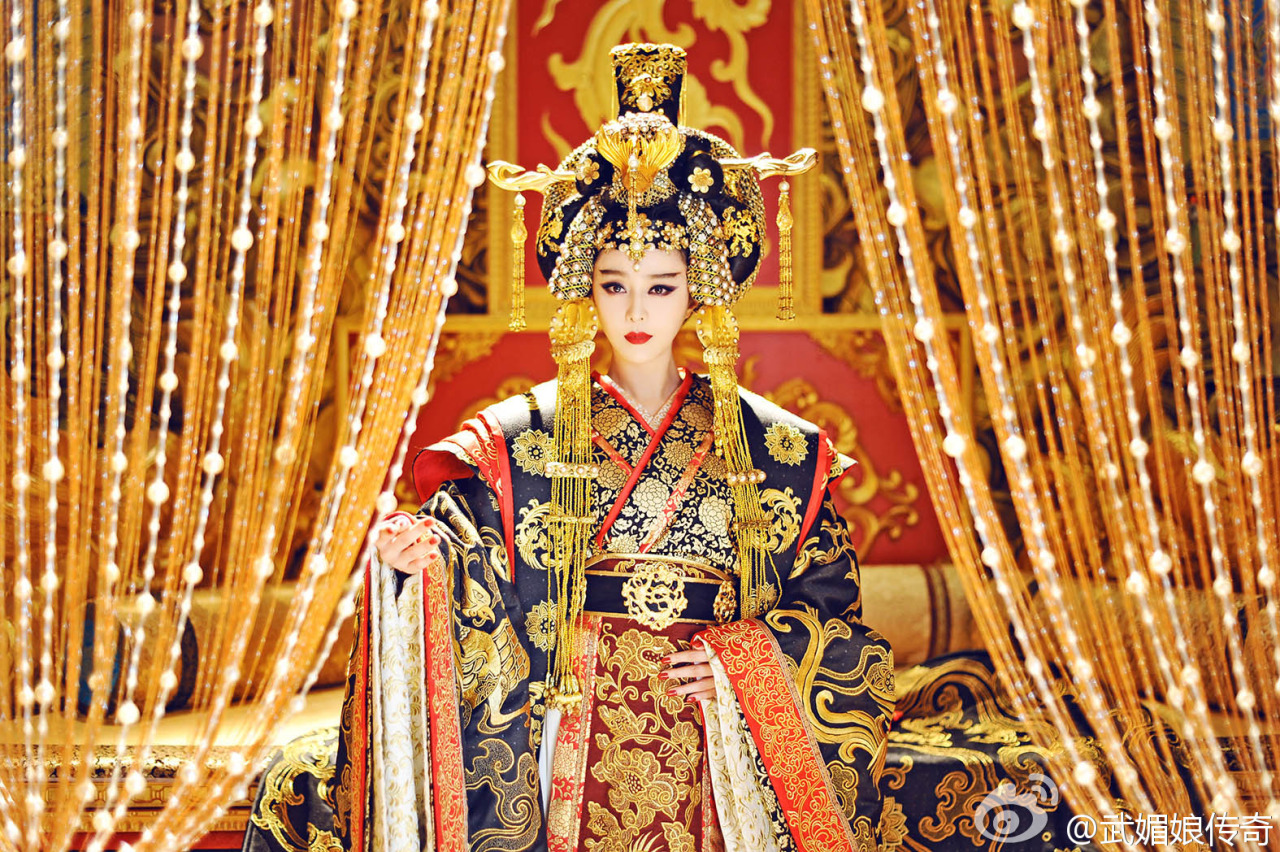
Prince Hai Min (Infant), son of Zhou Cheng and deceased King, Hai Zan
Prince Hai Jun (Infant), son of Zhou Cheng and deceased King, Hai Zan
Lady Yi (67), mother of Zhou Cheng
Traits:
Army
Outdated Army: Xiang's soldiers are nothing to scoff at, however their equipment is slightly behind the times, compared to many other contemporaries within Edoniras. Xiang has not completely caught on to more modern tactics and still makes widespread use of arms that would not be out-of-place a century ago. +2
Ambitious Generals: Although the kingdom is shifting towards merit-centrism, many commanders remain that have inherited their posts by nobility, and are married to traditional concepts like glory and honor. +1
Decentralized Army: Xiang is divided into several military and administrative regions, each with their own compliment of soldiers. Regional commanders are autonomous to a degree, but each must answer to the Xiang's Supreme Commander in matters of offense. +/-
Navy
King of the Seas: Xiang boasts a very competent naval force. A history of seafaring and expedition make Xiang a force to be reckoned with at sea. The kingdom's vessels are sublime in their construction and are armed with powerful artillery. -3
Economy/Industry
Strong Industry: Xiang has pushed its industry to new heights over the past few decades, emerging as one of the top practitioners of metallurgy. Xiang goods are famed for their high quality and fetch fair prices on the international market. -2
Fertile Fields: A strong agricultural background is necessary to sustain Xiang's growing population. Thanks to the natural land, farmers are not want for bountiful harvests. Food shortages are rare, if not unheard of in most of Xiang's developed land. -2
Misc.
Serfs: Xiang's serfdom is central to much of its success. The workforce ensures that goods are made, the land is well-fed and the kingdom's treasury stays stocked. It's not a pleasant job by any means, but somebody has to do it. +/-
STATS NEED TO BE DONE
Army: (Gowia will roll this, navy, GDP and stability.)
Navy:
GDP:
Population:
Stability:
I guess this has died now?
© 2007-2026