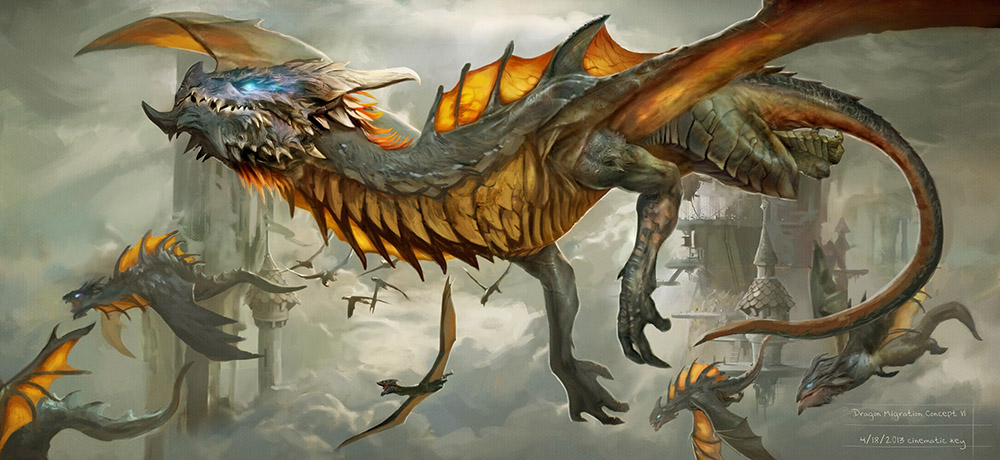
Added Dragons, Undead Dragons, and Drakes to the Bestiary. If you guys can look over them and tell me if anything seems out of place or needs to be changed I would be grateful.
DAWNSTAR Member
A literal Type 0 Super Luminous Star
STATUS: Sleep? No, I don't need to sleep. 11 yrs ago
- Last Seen: 9 yrs ago
- Old Guild Username: Gales39
- Joined: 12 yrs ago
- Posts: 754 (0.17 / day)
- VMs: 0
-
Username history
- DAWNSTAR 12 yrs ago
Status
Recent Statuses
11 yrs ago
Current
Sleep? No, I don't need to sleep.
Bio
You want to know about me, huh? Well, I am a type 0 super luminous star as classified by the Yerkes Spectral classification system. Now, I know it seems impossible that a star can type on a computer but I don't care about that. I've been roleplaying for roughly four years now. I tend to stick to my fantasy, sci-fi, and anime roleplays but have been known to go beyond that. I am comfortable playing both male and female roles. I have no posting schedule but do tend to be more active in the afternoon and on weekdays. I live in Central Time Zone (UTC-06:00) for those who are wondering.
Most Recent Posts
I'm fine with that name.
@DiamondBlizzard, that is fine. Just contribute whenever you have the free time to.
Alright, I will probably be on for the rest of the night. For everyone else, I have begun the arduous journey into the creation of Dragons. If you have free time, come and contribute what you can to the effort of design. Currently have several pictures up of what dragons can possibly look like. I'll eventually need to have quite a few conversations with both @Pie Flavor and @DiamondBlizzard on working out undead dragons, demonic dragons and the connection between demons and dragons.@Sessamaru, I'll need to talk to you in the pirate pad when ever you have the free time. Need to discuss some of the mechanics of magic and the animals I am working with. Edit: I also just realized how formal and weird that sounded. I don't think I've ever requested a person to pop up in one of the areas where I do my writing because I needed to talk to them.Sure. I'll try and get on as soon as possible.
@Sessamaru, I'll need to talk to you in the pirate pad when ever you have the free time. Need to discuss some of the mechanics of magic and the animals I am working with.
Edit: I also just realized how formal and weird that sounded. I don't think I've ever requested a person to pop up in one of the areas where I do my writing because I needed to talk to them.
Um, DAWNSTAR, you did an awesome job, but I realized that sandcrabs/Bikura are maybe too big for the role I wanted them to have for the Nem. ^^; Since they're meant to be a major part of Nem cuisine... maybe two feet across instead of four?Fixed to two feet across and three feet high.
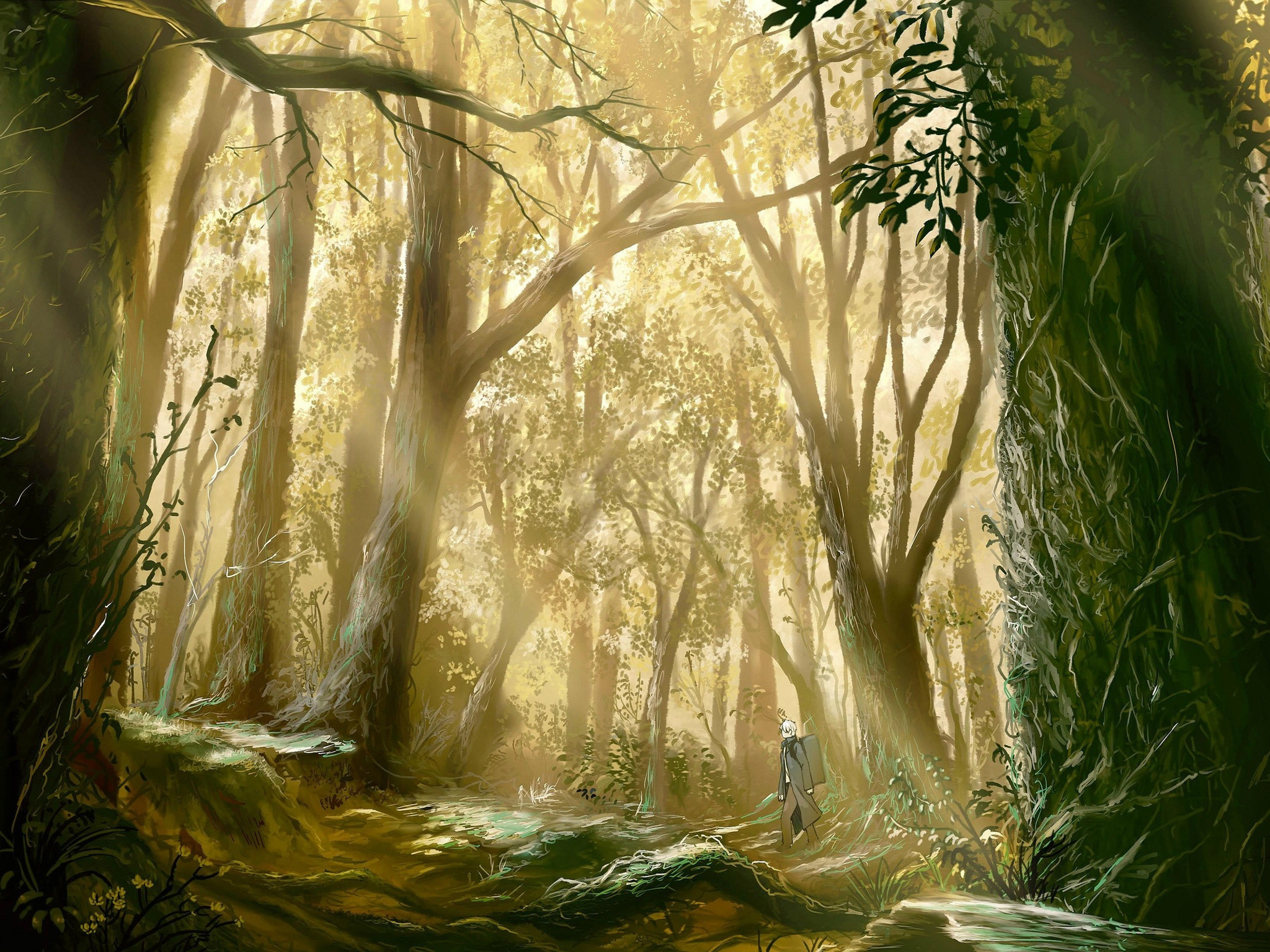
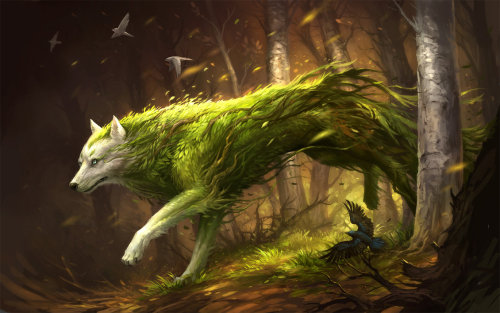
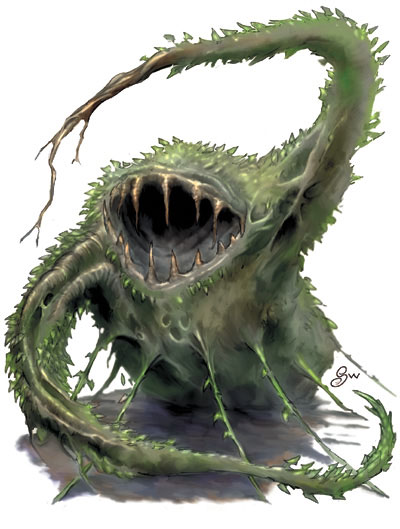
The Bestiary
Here is where I shall store all products which are either finished or still a working a progress. Requested animals will specifically be listed as Requested by (Insert Name Here).


 [
[




.jpg)










For those of you who aren't in the OOC right now, here is my pirate pad: https://www.piratepad.ca/p/Flora_and_Fauna_Development
You can come in and talk, look at what I will be working with, or make requests if you wish.
Here is my Pirate pad for the work I am going to be doing: https://www.piratepad.ca/p/Flora_and_Fauna_Development
If anybody wants to pop in and look at it, has some requests, or just generally want to talk about it they are welcome.
@Rin
Did somebody say something about ridding tigers? I've got tigers here! Well, what I intend to be a version of tigers.

© 2007-2026