I intended to finish my NS today but if I cut off other players from participating I can delay it for a few days.

 Member

 salamimike,
ivoryrolland95,
salamimike,
ivoryrolland95,
 Durandals
Started work on a Navy tab and completed the army.Don't worry this time I am going to introduce the full name of the emperor in old elvish, no hiders included.
Also *facepalms* I thought I was done with Kataylabinsk, Yamatia and those damn elves...

<Snipped quote by Willy Vereb>
I had basically expressed this entire sentiment to catchamber in the chat, but not raised it as an issue mostly due to me awaiting further development.
Having GM'd quite a number of NRPs before, I can say creating these artificial rules only invites people to break them whether intentionally or not. Letting the shape of the setting develop more organically in the early stages is much more appealing. For example, if the players/GM felt I'd made a fleet to big, and asked me to address it, as a player I'd be more than happy to. Setting out harsh restrictions from the start just insinuates players are either ill-mannered or idiots and sets about a bad tone from the word go. Again this is just my opinion.
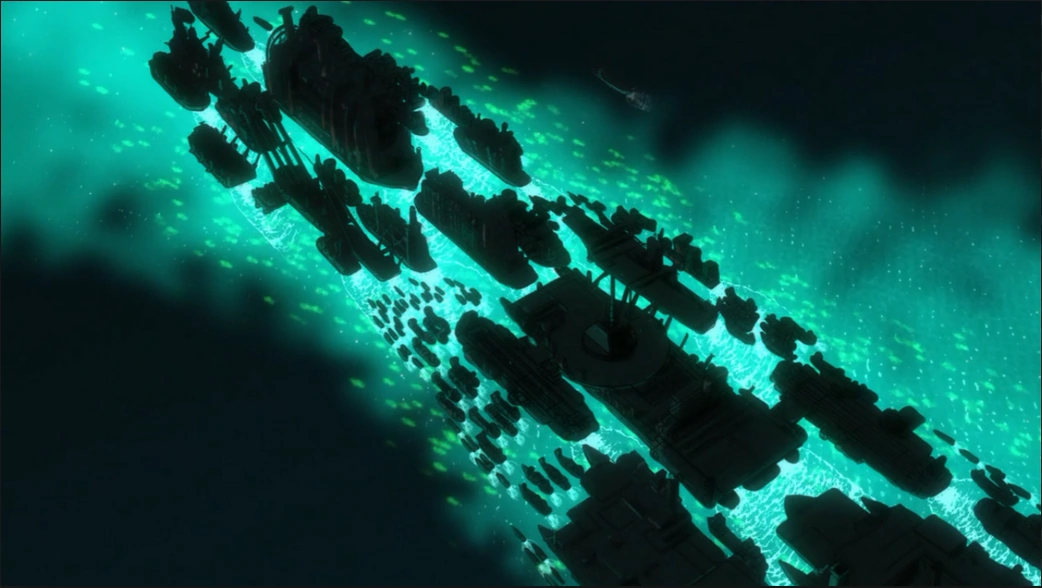
I also find the need to classify space vessels in strict naval terms rather contrary. It's a nice analogy to use so we all have a sense of a ships position in a fleet. But restricting them to specific roles assigned to naval vessels which operate essentially in a 2D plane vs the 3D plane of space warfare seems a bit silly.More interestingly aside from maybe the battleships, the role of ship classes changed a ton over the centuries.
Tl;dr Have some faith in players apply, approach issues as they arise.
<Snipped quote by Kimiyosis>That's a misunderstandment of the scale here.
My point exactly.
I'd rather have people play cautiously because each ship is costly to replace, and leaves up greater risk, rather than just have people throw everything at a problem and just replace all lost without a sweat.

@Willy Vereb You said the word "jet" and I got worried, but if I recall correctly, what few jets existed in the late war were mostly too fast to be useful anyway. Since you mention it, what are the ramifications of developing a jet engine in the 30's, anyway? I'm curious.Jets really weren't that fast, that's my point.