I'm at a point now where I'm simply waiting for time to pass. If I could anything I could write to put down to help pass the time I will. But the progression of my plot-lines is at a position where I need to at least wait for Christmas/New Years.
Dinh AaronMk
 Member
my beloved (french coded)
STATUS: As an American [user could not afford rest of post] 1 yr ago
- Last Seen: 11 mos ago
- Joined: 12 yrs ago
- Posts: 7860 (1.74 / day)
- VMs: 13
-
Username history
- Dinh AaronMk 12 yrs ago
-
Latest 10 profile visitors:
-
Most recent →
 AliceAbigail,
 Scrawl Banditta,
 Wilted Rose,
 mickilennial,
 Ekreture,
 Supermaxx,
 erikh
erikh
Status
Recent Statuses
1 yr ago
Current
As an American [user could not afford rest of post]
6
likes
3 yrs ago
Never spaghetti; Boston strong
3 yrs ago
The last post below me is a lie
1
like
3 yrs ago
THE SACRIFICE IS COMPLETE. THE BOILERMEN HAVE FRESH SOULS. THEY CAN DO SHIFT CHANGES.
2
likes
3 yrs ago
Was that supposed to be an anime reference
Bio
Harry Potter is not a world view, read another book or I will piss on the moon with my super laser piss.
Most Recent Posts
I can try and finish this goddamned post I've had sitting in my inbox for January the 6th, no problem. I can't say it'll be an important post but it'll probably be pushing the Turks off of the Square and knocking the statue down.
The day a months long siege ended.
In
It's Australia. It's Christmas. It's Summer. How are you spending your holiday?
→
11 yrs ago
Forum: Spam Forum
Enjoying the rain of a warm Michigan winter.
We had snow but it melted.
We had snow but it melted.
Legal Nation Name:
Kingdom of Lhasa
Territory:
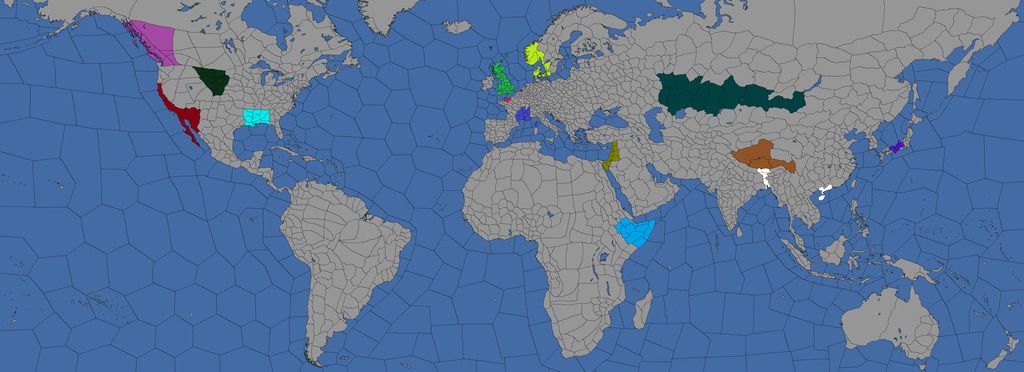
Flag or Banner:

Political Party:
Prince Samten Khyenpa Gyatso
The Yellow Hats
Type of Government:
Monarchy/Theocracy
Date Out of Bunker:
2198
Productions:
Animal Products (furs, butter, milk from yak, cattle, goat, sheep)
Agricultural products (barley, wheat, buckwheat, rye, potatoes, oats, rapeseeds, cotton various other fruits and vegetables)
Some mining
History of the Nation:
The right to self rule had always plagued China from the Tibetan plateau. Whether in active resistance or in passive. But ever since its reoccupation by Chinese forces in 1950 the Himalayan kingdom had not known independence. Even as his holiness the Dalai Lama passed from this world and the lineage of the reincarnation of Gendün Druppa in the 14th century. Although gone, the Gelug sect of Tibetain Buddhism remained. Even as the bombs fell.
For those that could not retreat to protective shelters built in the highlands by the Chinese government they fled to the monasteries that dotted the Tibetan highlands and took refuge there among the monks until fire ceased falling from the sky. And when it did, all semblance of a China that was had been eradicated. And so shielded by the Himalayan mountains where what fallout existed had fallen with the rains in the southern lowlands life readopted – if somewhat unceremoniously – what it had since before even the Qing.
When the nuclear shelters finally reopened a new demography of Tibetain re-emerged. Sheltered from the brutality of the war and the climate they were a group of shelter dwellers unaccustomed to dealing with life in the mountains. But life in the shelters provided something a life tending yaks could not: they were academic.
Alliances between strong individuals and monks of the plateau effectively created and built a new bureaucracy. With these princes deriving legitimacy from the blessing of monks they named and styled themselves princes and assumed their posts to rule the harsh rocky landscape of Tibet. From the highest peaks to the lowest green valleys.
An effect of monastic influence though tempered with the secular authority derived from the princes in turn eroded many of their old-world familial names as many turned to align themselves even closer to the monks and themselves took up the name of Tibetan Monks: Gyatso. This has in turn effected inter-prince relationships by destroying dynastic identity in favor of monastic loyalty.
The first to practice this was the self-titled Prince of Lhasa, Dromtönpa Tsongkhapa; a young shelter-born Tibetan with a certain martial prowess. His adaptation of the name Gyatso earned considerable respect among the monasteries and still new to the surface others followed suit.
Dromtönpa Tsongkhapa Gyatso was ultimately assassinated by rival princes in the year 2270, hoping his son Samten Khyenpa Gyatso would prove distantly inept in his hermitage adventures. However on his return home later that winter he was horrified and astonished at his father's death. He retreated into mourning and meditation, only to come out to be crowned as the second Gyatso prince of Lhasa. And though considered philosophical, the sudden violent death of his father had brought to light a vengeful fire.
Per the rest of Tibet, the Gelug – Yellow Hat sect – of Tibetain Buddhism provides a level of lower-level social harmony. While the princes may play the pieces of political control across the highlands much of the charitable work is organized by the monks and the Lamas. Princely association is wrought through protection of these missions and to the monasteries. The operational apparatus of the Gelug has as well maintained associations with the predominately Buddhist Mongolian tribes of the north as much as through the rest of the Himalayan mountains.
Main Race:
Tibetan
Main Religion:
Tibetan Buddhism.
Sects:
Gelug (Yellow Hat)
Nyingma (Ancient Ones)
Kagyupa (Lineage of the Buddha's Word)
Sakya (Gray Earth)
Jonang
Though all the sects exist in practice in Tibet, only the Gelug is the most predominate. Focused on debate and reason the Yellow Hat school arose as a reformist movement to the older schools of Tibetan Buddhism. And since the modern era and prior to Chinese re-occupation it has been at the forefront of Tibetan politics and epitomized by Thubten and Tenzin Gyatso (the 13th and 14th Dalai Lama respectively).
Also:
Bön
Other:
Even before the bombs the Tibetan region has had poor industrial developments. Even when forced by the Chinese economic adventures in Tibet had most often failed. Although the region is poor does not put it out by their own standards and the Tibetans are a resilient, resistant people.
With the withdrawal of Chinese authority from the region the surviving Tibetan population had to re-draw its own military. The monasteries originally filled this roll with the drawing of old monastic guards – or Dob-dobs – to provide protection for themselves and the people. But with the rise of the princes there has been a much greater shift to centralized regional armies organized by them. Though these individuals may often be armed in a way considered more medieval than contemporaries in Europe. All the same, some stockpiles of still-working Chinese weapons are available to the Tibetans but their sparseness ensures that they'll only be withdrawn when the need is dire.
Also furthering Gelug habit, the nature of debate and intellectual argument has bred into the new aristocracy a craving of philosophy and debate and many princely sons do not turn themselves to war but into philosophy.
Kingdom of Lhasa
Territory:
Flag or Banner:
Political Party:
Prince Samten Khyenpa Gyatso
The Yellow Hats
Type of Government:
Monarchy/Theocracy
Date Out of Bunker:
2198
Productions:
Animal Products (furs, butter, milk from yak, cattle, goat, sheep)
Agricultural products (barley, wheat, buckwheat, rye, potatoes, oats, rapeseeds, cotton various other fruits and vegetables)
Some mining
History of the Nation:
The right to self rule had always plagued China from the Tibetan plateau. Whether in active resistance or in passive. But ever since its reoccupation by Chinese forces in 1950 the Himalayan kingdom had not known independence. Even as his holiness the Dalai Lama passed from this world and the lineage of the reincarnation of Gendün Druppa in the 14th century. Although gone, the Gelug sect of Tibetain Buddhism remained. Even as the bombs fell.
For those that could not retreat to protective shelters built in the highlands by the Chinese government they fled to the monasteries that dotted the Tibetan highlands and took refuge there among the monks until fire ceased falling from the sky. And when it did, all semblance of a China that was had been eradicated. And so shielded by the Himalayan mountains where what fallout existed had fallen with the rains in the southern lowlands life readopted – if somewhat unceremoniously – what it had since before even the Qing.
When the nuclear shelters finally reopened a new demography of Tibetain re-emerged. Sheltered from the brutality of the war and the climate they were a group of shelter dwellers unaccustomed to dealing with life in the mountains. But life in the shelters provided something a life tending yaks could not: they were academic.
Alliances between strong individuals and monks of the plateau effectively created and built a new bureaucracy. With these princes deriving legitimacy from the blessing of monks they named and styled themselves princes and assumed their posts to rule the harsh rocky landscape of Tibet. From the highest peaks to the lowest green valleys.
An effect of monastic influence though tempered with the secular authority derived from the princes in turn eroded many of their old-world familial names as many turned to align themselves even closer to the monks and themselves took up the name of Tibetan Monks: Gyatso. This has in turn effected inter-prince relationships by destroying dynastic identity in favor of monastic loyalty.
The first to practice this was the self-titled Prince of Lhasa, Dromtönpa Tsongkhapa; a young shelter-born Tibetan with a certain martial prowess. His adaptation of the name Gyatso earned considerable respect among the monasteries and still new to the surface others followed suit.
Dromtönpa Tsongkhapa Gyatso was ultimately assassinated by rival princes in the year 2270, hoping his son Samten Khyenpa Gyatso would prove distantly inept in his hermitage adventures. However on his return home later that winter he was horrified and astonished at his father's death. He retreated into mourning and meditation, only to come out to be crowned as the second Gyatso prince of Lhasa. And though considered philosophical, the sudden violent death of his father had brought to light a vengeful fire.
Per the rest of Tibet, the Gelug – Yellow Hat sect – of Tibetain Buddhism provides a level of lower-level social harmony. While the princes may play the pieces of political control across the highlands much of the charitable work is organized by the monks and the Lamas. Princely association is wrought through protection of these missions and to the monasteries. The operational apparatus of the Gelug has as well maintained associations with the predominately Buddhist Mongolian tribes of the north as much as through the rest of the Himalayan mountains.
Main Race:
Tibetan
Main Religion:
Tibetan Buddhism.
Sects:
Gelug (Yellow Hat)
Nyingma (Ancient Ones)
Kagyupa (Lineage of the Buddha's Word)
Sakya (Gray Earth)
Jonang
Though all the sects exist in practice in Tibet, only the Gelug is the most predominate. Focused on debate and reason the Yellow Hat school arose as a reformist movement to the older schools of Tibetan Buddhism. And since the modern era and prior to Chinese re-occupation it has been at the forefront of Tibetan politics and epitomized by Thubten and Tenzin Gyatso (the 13th and 14th Dalai Lama respectively).
Also:
Bön
Other:
Even before the bombs the Tibetan region has had poor industrial developments. Even when forced by the Chinese economic adventures in Tibet had most often failed. Although the region is poor does not put it out by their own standards and the Tibetans are a resilient, resistant people.
With the withdrawal of Chinese authority from the region the surviving Tibetan population had to re-draw its own military. The monasteries originally filled this roll with the drawing of old monastic guards – or Dob-dobs – to provide protection for themselves and the people. But with the rise of the princes there has been a much greater shift to centralized regional armies organized by them. Though these individuals may often be armed in a way considered more medieval than contemporaries in Europe. All the same, some stockpiles of still-working Chinese weapons are available to the Tibetans but their sparseness ensures that they'll only be withdrawn when the need is dire.
Also furthering Gelug habit, the nature of debate and intellectual argument has bred into the new aristocracy a craving of philosophy and debate and many princely sons do not turn themselves to war but into philosophy.
Legal Nation Name:
Kingdom of Lhasa
Territory:
Flag or Banner:
Political Party:
Prince Samten Khyenpa Gyatso
The Yellow Hats
Type of Government:
Monarchy/Theocracy
Date Out of Bunker:
2198
Productions:
Animal Products (furs, butter, milk from yak, cattle, goat, sheep)
Agricultural products (barley, wheat, buckwheat, rye, potatoes, oats, rapeseeds, cotton various other fruits and vegetables)
Some mining
History of the Nation:
The right to self rule had always plagued China from the Tibetan plateau. Whether in active resistance or in passive. But ever since its reoccupation by Chinese forces in 1950 the Himalayan kingdom had not known independence. Even as his holiness the Dalai Lama passed from this world and the lineage of the reincarnation of Gendün Druppa in the 14th century. Although gone, the Gelug sect of Tibetain Buddhism remained. Even as the bombs fell.
For those that could not retreat to protective shelters built in the highlands by the Chinese government they fled to the monasteries that dotted the Tibetan highlands and took refuge there among the monks until fire ceased falling from the sky. And when it did, all semblance of a China that was had been eradicated. And so shielded by the Himalayan mountains where what fallout existed had fallen with the rains in the southern lowlands life readopted – if somewhat unceremoniously – what it had since before even the Qing.
When the nuclear shelters finally reopened a new demography of Tibetain re-emerged. Sheltered from the brutality of the war and the climate they were a group of shelter dwellers unaccustomed to dealing with life in the mountains. But life in the shelters provided something a life tending yaks could not: they were academic.
Alliances between strong individuals and monks of the plateau effectively created and built a new bureaucracy. With these princes deriving legitimacy from the blessing of monks they named and styled themselves princes and assumed their posts to rule the harsh rocky landscape of Tibet. From the highest peaks to the lowest green valleys.
An effect of monastic influence though tempered with the secular authority derived from the princes in turn eroded many of their old-world familial names as many turned to align themselves even closer to the monks and themselves took up the name of Tibetan Monks: Gyatso. This has in turn effected inter-prince relationships by destroying dynastic identity in favor of monastic loyalty.
The first to practice this was the self-titled Prince of Lhasa, Dromtönpa Tsongkhapa; a young shelter-born Tibetan with a certain martial prowess. His adaptation of the name Gyatso earned considerable respect among the monasteries and still new to the surface others followed suit.
Dromtönpa Tsongkhapa Gyatso was ultimately assassinated by rival princes in the year 2270, hoping his son Samten Khyenpa Gyatso would prove distantly inept in his hermitage adventures. However on his return home later that winter he was horrified and astonished at his father's death. He retreated into mourning and meditation, only to come out to be crowned as the second Gyatso prince of Lhasa. And though considered philosophical, the sudden violent death of his father had brought to light a vengeful fire.
Per the rest of Tibet, the Gelug – Yellow Hat sect – of Tibetain Buddhism provides a level of lower-level social harmony. While the princes may play the pieces of political control across the highlands much of the charitable work is organized by the monks and the Lamas. Princely association is wrought through protection of these missions and to the monasteries. The operational apparatus of the Gelug has as well maintained associations with the predominately Buddhist Mongolian tribes of the north as much as through the rest of the Himalayan mountains.
Main Race:
Tibetan
Main Religion:
Tibetan Buddhism.
Sects:
Gelug (Yellow Hat)
Nyingma (Ancient Ones)
Kagyupa (Lineage of the Buddha's Word)
Sakya (Gray Earth)
Jonang
Though all the sects exist in practice in Tibet, only the Gelug is the most predominate. Focused on debate and reason the Yellow Hat school arose as a reformist movement to the older schools of Tibetan Buddhism. And since the modern era and prior to Chinese re-occupation it has been at the forefront of Tibetan politics and epitomized by Thubten and Tenzin Gyatso (the 13th and 14th Dalai Lama respectively).
Also:
Bön
Other:
Even before the bombs the Tibetan region has had poor industrial developments. Even when forced by the Chinese economic adventures in Tibet had most often failed. Although the region is poor does not put it out by their own standards and the Tibetans are a resilient, resistant people.
With the withdrawal of Chinese authority from the region the surviving Tibetan population had to re-draw its own military. The monasteries originally filled this roll with the drawing of old monastic guards – or Dob-dobs – to provide protection for themselves and the people. But with the rise of the princes there has been a much greater shift to centralized regional armies organized by them. Though these individuals may often be armed in a way considered more medieval than contemporaries in Europe. All the same, some stockpiles of still-working Chinese weapons are available to the Tibetans but their sparseness ensures that they'll only be withdrawn when the need is dire.
Also furthering Gelug habit, the nature of debate and intellectual argument has bred into the new aristocracy a craving of philosophy and debate and many princely sons do not turn themselves to war but into philosophy.
Kingdom of Lhasa
Territory:
Flag or Banner:
Political Party:
Prince Samten Khyenpa Gyatso
The Yellow Hats
Type of Government:
Monarchy/Theocracy
Date Out of Bunker:
2198
Productions:
Animal Products (furs, butter, milk from yak, cattle, goat, sheep)
Agricultural products (barley, wheat, buckwheat, rye, potatoes, oats, rapeseeds, cotton various other fruits and vegetables)
Some mining
History of the Nation:
The right to self rule had always plagued China from the Tibetan plateau. Whether in active resistance or in passive. But ever since its reoccupation by Chinese forces in 1950 the Himalayan kingdom had not known independence. Even as his holiness the Dalai Lama passed from this world and the lineage of the reincarnation of Gendün Druppa in the 14th century. Although gone, the Gelug sect of Tibetain Buddhism remained. Even as the bombs fell.
For those that could not retreat to protective shelters built in the highlands by the Chinese government they fled to the monasteries that dotted the Tibetan highlands and took refuge there among the monks until fire ceased falling from the sky. And when it did, all semblance of a China that was had been eradicated. And so shielded by the Himalayan mountains where what fallout existed had fallen with the rains in the southern lowlands life readopted – if somewhat unceremoniously – what it had since before even the Qing.
When the nuclear shelters finally reopened a new demography of Tibetain re-emerged. Sheltered from the brutality of the war and the climate they were a group of shelter dwellers unaccustomed to dealing with life in the mountains. But life in the shelters provided something a life tending yaks could not: they were academic.
Alliances between strong individuals and monks of the plateau effectively created and built a new bureaucracy. With these princes deriving legitimacy from the blessing of monks they named and styled themselves princes and assumed their posts to rule the harsh rocky landscape of Tibet. From the highest peaks to the lowest green valleys.
An effect of monastic influence though tempered with the secular authority derived from the princes in turn eroded many of their old-world familial names as many turned to align themselves even closer to the monks and themselves took up the name of Tibetan Monks: Gyatso. This has in turn effected inter-prince relationships by destroying dynastic identity in favor of monastic loyalty.
The first to practice this was the self-titled Prince of Lhasa, Dromtönpa Tsongkhapa; a young shelter-born Tibetan with a certain martial prowess. His adaptation of the name Gyatso earned considerable respect among the monasteries and still new to the surface others followed suit.
Dromtönpa Tsongkhapa Gyatso was ultimately assassinated by rival princes in the year 2270, hoping his son Samten Khyenpa Gyatso would prove distantly inept in his hermitage adventures. However on his return home later that winter he was horrified and astonished at his father's death. He retreated into mourning and meditation, only to come out to be crowned as the second Gyatso prince of Lhasa. And though considered philosophical, the sudden violent death of his father had brought to light a vengeful fire.
Per the rest of Tibet, the Gelug – Yellow Hat sect – of Tibetain Buddhism provides a level of lower-level social harmony. While the princes may play the pieces of political control across the highlands much of the charitable work is organized by the monks and the Lamas. Princely association is wrought through protection of these missions and to the monasteries. The operational apparatus of the Gelug has as well maintained associations with the predominately Buddhist Mongolian tribes of the north as much as through the rest of the Himalayan mountains.
Main Race:
Tibetan
Main Religion:
Tibetan Buddhism.
Sects:
Gelug (Yellow Hat)
Nyingma (Ancient Ones)
Kagyupa (Lineage of the Buddha's Word)
Sakya (Gray Earth)
Jonang
Though all the sects exist in practice in Tibet, only the Gelug is the most predominate. Focused on debate and reason the Yellow Hat school arose as a reformist movement to the older schools of Tibetan Buddhism. And since the modern era and prior to Chinese re-occupation it has been at the forefront of Tibetan politics and epitomized by Thubten and Tenzin Gyatso (the 13th and 14th Dalai Lama respectively).
Also:
Bön
Other:
Even before the bombs the Tibetan region has had poor industrial developments. Even when forced by the Chinese economic adventures in Tibet had most often failed. Although the region is poor does not put it out by their own standards and the Tibetans are a resilient, resistant people.
With the withdrawal of Chinese authority from the region the surviving Tibetan population had to re-draw its own military. The monasteries originally filled this roll with the drawing of old monastic guards – or Dob-dobs – to provide protection for themselves and the people. But with the rise of the princes there has been a much greater shift to centralized regional armies organized by them. Though these individuals may often be armed in a way considered more medieval than contemporaries in Europe. All the same, some stockpiles of still-working Chinese weapons are available to the Tibetans but their sparseness ensures that they'll only be withdrawn when the need is dire.
Also furthering Gelug habit, the nature of debate and intellectual argument has bred into the new aristocracy a craving of philosophy and debate and many princely sons do not turn themselves to war but into philosophy.
I will begin work on one.
...my only regret is that I didn't get more kills...
Somehow it felt like you had more.
In
The Melody of Dreams ~ Fine and Digital Arts ~ Now Taking Requests!
→
11 yrs ago
Forum: The Gallery
@Dinh AaronMk I'm still in the process of reading. I think I'm just going to cave and read the summaries because I'm only on like Page 4. Kind of a slow read-through. But yeah. I haven't forgotten about you and I have a few passages/segments in mind already, but it's just, kind of a big task for my third-ever theme composition. Also I can't use all the instrumentation I wanted to because things like timpani and all the low winds are unavailable for the free users and I'm trying to work around that. xD But I am still working on it.
The summaries in the OP would just be for the last thread pre-RPGuild move.
Here's a question for you PoW lifers:
I've got a shit ton planned out for Britain, like twenty-twenty five posts ahead of where I'm currently at, and even though I find it helpful to have it all planned out like that I also find it stifles me a bit. For those of you that have been playing for years/since the game began, how far ahead do you plan? How do you stop yourself from feeling like you're just going through the motions?
I know Vilage has been planned out for years, and I'm starting to launch some stuff I had in mind since we were on the MCF.
Though I personally don't plan very meticulously. I get an idea on a direction and a goal and I write towards it. I find this makes it easier to write around anything that might be in the area and include it without totally obstructing myself.
In
The Melody of Dreams ~ Fine and Digital Arts ~ Now Taking Requests!
→
11 yrs ago
Forum: The Gallery
Yo, just checkin' in.
© 2007-2026