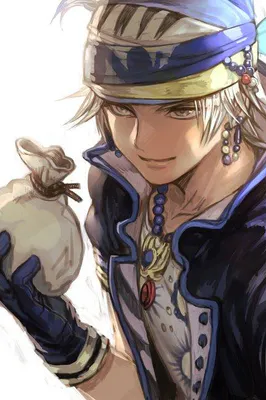
“Little brother…” Troilus echoed, feeling nostalgic. Yes, this was certainly a familiar feeling. As if his brother was nearby - which perhaps he was, in a way. Maybe that feeling was why, despite the danger of his surroundings, he felt safe enough to relax.
Stupid! Allowing himself to get hit by an attack like that… Even if it didn’t hurt, even if no damage was caused - this wasn’t the sort of thing a hero should allow to happen!
And yet… Looking at that arrow, it too had that golden glow of heroism. The glow of that helmet. The glow of that sword. How confusing. Troilus turned to look at the attacker, and-
“Oh! Big brother!” It was surprising to run into one of his brothers here, but then again, he had a lot of brothers, so perhaps it wasn’t that strange. Part of his lips quirked up in a smile, but then he paused. “Why’d you attack me!?” It wouldn’t be so bad if Pandarus knew he wouldn’t have hurt him - but if that was the case, how had he known?
Still, no harm had been done in the end, and this was his beloved brother. Not his most beloved brother, certainly. Maybe in the top five, at least. Definitely top ten. Troilus allowed himself to beam. “What’s going on here, anyway? It’s dangerous. Do you know anywhere safe?”
The city was broken. The corpses that littered the streets spewed forth horrifying sludge from faceless bodies. The buildings themselves were collapsing, too. That destruction was reminiscent, in a way, of another collapse, one that Troilus had never witnessed, but was present somewhere, deep in his mind.
It was scary. But being a hero meant moving forward, no matter how scary things got.
He looked towards his companions. There was a strange familiarity to the other Servants, though he didn’t recognise either immediately.
There was something comforting about the woman that Troilus took a moment to realise. Yes, he recognised that armour, though it looked a little different on a different person. He had polished it at various points, after all. His big brother had been a great hero, so naturally his armour, his sword and spear had been passed down onto various other heroes. That much he knew, at least. But he didn't recognise her. Perhaps she was one of the paladins of France.
The other Servant gave the opposite impression. There was a vague hint of recollection in Troilus’ mind, but he couldn’t put a name to the man. Despite the man’s calm appearance, he gave Troilus an ominous feeling. As if he was taking something away from Troilus just by existing, something important - but something that he couldn’t remember.
Then, the Master spoke. He liked her plan; he certainly wouldn’t mind some distance from that ominous Assassin, even if he was an ally. He looked towards her, smiling sweetly, with a hand held out, not as a greeting, but ready to draw her to him in a protective grasp. “I’m Saber, friend. Don’t worry, I’m here to protect you. No matter what.”
That was the sort of thing a hero should say, right?
A child dressed in his brother’s clothes. An innocent who simply wants to be a hero. One who acts not for revenge or even for justice, but simply with the innocent wish to save others. The type of person to act carefree and cheerful no matter the danger, since that’s simply how a hero acts. Even when faced with the realities of war, he attempts to keep a smile on his face. A brave child, though this bravery is derived from his sheltered, naive nature.
One who was beloved by all of Troy - for his innocence and beauty, but also his honest and modest nature.
He idolises his all of his brothers, but Hektor in particular. Insulting them or his memories would yield a far greater reaction that insulting him, since they aren’t there to defend themselves. Well, his anger is pretty cute, as it happens.
The idea of his killer is conceptualised as death itself. If he were to see that man again, there would be no hope of fighting back whatsoever. He is unable to conceive of any emotion but fear with regards to him.
History
The youngest prince of Troy, a child of radiant beauty beloved by his family and city. An innocent of Troy who spent much of his time playing with his sister Polyxena, and looking up to his numerous brothers and half-brothers. When the war began, he stayed behind the walls of Troy as much as possible, helping his family with the effort in the small ways he could.
It was prophesied that so long as Troilus lived, Troy would never fall. This, then was one of the various obstacles the Greeks faced in destroying the city. Not long after the war began, Athena sent Achilles to kill the young boy. For such a warrior, killing a child was of course trivial, though it was also the beginning of Achilles’ downfall. Apollo’s wrath at Achilles’ callous murder of one that he cared for lead him to plot the hero’s death, resulting in his death at the hands of Paris.
But the story of Troilus doesn’t end with his death, and the end of the Trojan war. As various writers and poets used the Trojan war as a subject, the nature of Troilus began to change. Stories of him went from a tragedy of a murdered child to tales of a valiant, romantic knight, near Hector’s equal. As such, the nature of ‘Troilus’ as a heroic spirit began to change.
Parameters
STR: B ||| END: C ||| AGI: B ||| MAN: C ||| LCK: EX
Class Skills
Magic Resistance: B
Grants protection against magical effects by cancelling them. At this rank, any spell with a chant below three verses is cancelled. It is also difficult to be affected by High-Thaumaturgy or Greater Rituals that target Saber.
Riding: B
The ability to ride mounts and vehicles. Most vehicles and creatures can be ridden with above average skill, though Phantasmal Species cannot. A natural skill for a renowned lover of horses.
Personal Skills
Rosy-Cheeked Adonis: A
The ability of a pretty-boy that charms people. Creates a mental pressure that dissuades others from harming Saber, and encourages friendship. It has an effect similar to mental interference magecraft, though it can be abated by a strong enough will to resist or the Magic Resistance skill.
Affections of the God: B+
A skill denoting the affections of the God Apollo, boosting physical attributes by a rank. In addition, the skill encompasses the vengeance Apollo took against Saber’s killer. Any who kill Saber are struck with this curse of Apollo’s wrath. Just as in the case of Saber’s murderer, Apollo will empower an existing arrow with his own abilities to strike down the killer.
Ephemeral Dream: A
A lifeform born from dreams, illusions and possibilities. Troilus’ fundamental nature as a heroic spirit is ‘a child who dies prematurely’, one fated to be killed and mourned by heroes and gods, though who never himself achieves greatness. In this sense, he can hardly be called a heroic spirit at all.
And yet, there was a fated Troilus, one who would grow to adulthood and ensure the survival of his city, who would eclipse the greatness of even Hector and Aeneas. A hypothetical existence that cannot exist under normal circumstances.
This entity is neither the doomed child nor the fated hero; rather, it can be considered the child’s dream of an illusory future, a dying child dressing in his brother’s armour. Though the armour is ill-fitting, it still offers protection, and a measure of power.
Even so, this state could not be achieved without the alteration of Troilus’ Saint Graph through the various evolving myths around Troilus; as differing myths built up around the Trojan war, certain writers began to interpret Troilus as a virtuous pagan knight - a second Hector, the wall of Troy, a warrior who killed a thousand Greeks and matched Diomedes in direct combat.
Together, these factors allow Troilus to achieve all the skills necessary for a warrior, though these skills are instinctual rather than learned, and he does not have the requisite combat experience to make full use of them. It is ‘the ability to fight’ rather than a Servant’s skills. Nonetheless, his combat abilities are greatly enhanced from that of an innocent child.
Dream Descendance Durindina Unbroken Sword of Gold
Rank: A Type: Anti-Army Range: 1-45 Targets: 45 People
His brother’s sword. The embodiment of an incandescent dream. The equipment that Saber so lovingly polished, until it shone like the sun. A blazing brand that flashes forth on the battlefield, a source of inspiration, empowerment. To protect one’s friends. To protect one’s family. To protect one’s country. Putting one’s own body on the line, again and again. If his brother is a hero, then this sword is the tool of a hero.
One can also consider this the inherited defence of Troy, Troilus’ status as a ‘second Hector’ by later writers. It is the sword Durandal, or rather a dream of it, the heroic inheritance that Troilus longed for. At the same time, it is a shining reflection of Apollo’s golden sword, showing both the love of the god and Troilus’ family. Even so, if Durandal was not fundamentally a ‘weapon that is passed down to others’ it is unlikely that Saber would have ownership of this Noble Phantasm.
Upon invoking its true name, it can ‘shine’ as a heroic image, and burst forward with the power of the sun. One can also consider this an imitation of his brother’s spear technique. Even without activating this, the sword shines brightly, able to variously blind and fascinate enemies in the right circumstances.
Though of course, the candle that burns twice as bright lasts half as long.
An embodiment of the prophecy that Troilus’ life was linked to the city of Troy. So long as he lived, Troy would never fall. In this sense, it would be possible to say that in some ways, Troilus was Troy; their destinies were the same. Likewise, Troy’s primary association is its invincible walls, untarnished after years of siege. In this sense, just as Troilus was considered ‘the wall of Troy’ as a warrior in its defense by later writers, Troilus and the walls of Troy are one and the same.
The Walls of Troy are conceptually integrated into Troilus’ body as his skin, and a basic layer of defence. His body can itself be considered a ‘fortress’, against which ordinary attacks will fall short. Even anti-fortress attacks are not a point of specific vulnerability due to the sturdiness of Troy’s walls, a divine construct built by Apollo and Poseidon, reflecting Apollo’s role in the creation of order and the building of cities. Walls that embody divine order cannot be so simply breached.
There are many ways to bypass a city’s walls, even ones as strong as Troy’s. Naturally, as a form of defence it’s completely vulnerable to attacks originating from the interior.
Within the walls are Troy itself, a place that will tautologically never fall if so long as Troilus does not fall. Thus, the prophecy becomes meaningless. But Troilus himself is Troy, a place where heroes gather. As such, Troilus is a focal point for Heroic Spirits, a gathering spot where those who fight are bolstered. The various existences related to magecraft and magical power are bolstered, even in areas where the world would reject them. Heroes are allowed to truly shine, just as they did on the fields of Troy.
Though, of course, Troy is also a place where the age of heroes died. A place where so many died tragically and needlessly. Troy’s collapse would be a return for reality - an awakening from Troilus’ heroic dream.
A child dressed in his brother’s clothes. An innocent who simply wants to be a hero. One who acts not for revenge or even for justice, but simply with the innocent wish to save others. The type of person to act carefree and cheerful no matter the danger, since that’s simply how a hero acts. Even when faced with the realities of war, he attempts to keep a smile on his face. A brave child, though this bravery is derived from his sheltered, naive nature.
One who was beloved by all of Troy - for his innocence and beauty, but also his honest and modest nature.
He idolises his all of his brothers, but Hektor in particular. Insulting them or his memories would yield a far greater reaction that insulting him, since they aren’t there to defend themselves. Well, his anger is pretty cute, as it happens.
The idea of his killer is conceptualised as death itself. If he were to see that man again, there would be no hope of fighting back whatsoever. He is unable to conceive of any emotion but fear with regards to him.
History
The youngest prince of Troy, a child of radiant beauty beloved by his family and city. An innocent of Troy who spent much of his time playing with his sister Polyxena, and looking up to his numerous brothers and half-brothers. When the war began, he stayed behind the walls of Troy as much as possible, helping his family with the effort in the small ways he could.
It was prophesied that so long as Troilus lived, Troy would never fall. This, then was one of the various obstacles the Greeks faced in destroying the city. Not long after the war began, Athena sent Achilles to kill the young boy. For such a warrior, killing a child was of course trivial, though it was also the beginning of Achilles’ downfall. Apollo’s wrath at Achilles’ callous murder of one that he cared for lead him to plot the hero’s death, resulting in his death at the hands of Paris.
But the story of Troilus doesn’t end with his death, and the end of the Trojan war. As various writers and poets used the Trojan war as a subject, the nature of Troilus began to change. Stories of him went from a tragedy of a murdered child to tales of a valiant, romantic knight, near Hector’s equal. As such, the nature of ‘Troilus’ as a heroic spirit began to change.
Parameters
STR: B ||| END: C ||| AGI: B ||| MAN: C ||| LCK: EX
Class Skills
Magic Resistance: B
Grants protection against magical effects by cancelling them. At this rank, any spell with a chant below three verses is cancelled. It is also difficult to be affected by High-Thaumaturgy or Greater Rituals that target Saber.
Riding: B
The ability to ride mounts and vehicles. Most vehicles and creatures can be ridden with above average skill, though Phantasmal Species cannot. A natural skill for a renowned lover of horses.
Personal Skills
Rosy-Cheeked Adonis: A
The ability of a pretty-boy that charms people. Creates a mental pressure that dissuades others from harming Saber, and encourages friendship. It has an effect similar to mental interference magecraft, though it can be abated by a strong enough will to resist or the Magic Resistance skill.
Affections of the God: B+
A skill denoting the affections of the God Apollo, boosting physical attributes by a rank. In addition, the skill encompasses the vengeance Apollo took against Saber’s killer. Any who kill Saber are struck with this curse of Apollo’s wrath. Just as in the case of Saber’s murderer, Apollo will empower an existing arrow with his own abilities to strike down the killer.
Ephemeral Dream: A
A lifeform born from dreams, illusions and possibilities. Troilus’ fundamental nature as a heroic spirit is ‘a child who dies prematurely’, one fated to be killed and mourned by heroes and gods, though who never himself achieves greatness. In this sense, he can hardly be called a heroic spirit at all.
And yet, there was a fated Troilus, one who would grow to adulthood and ensure the survival of his city, who would eclipse the greatness of even Hector and Aeneas. A hypothetical existence that cannot exist under normal circumstances.
This entity is neither the doomed child nor the fated hero; rather, it can be considered the child’s dream of an illusory future, a dying child dressing in his brother’s armour. Though the armour is ill-fitting, it still offers protection, and a measure of power.
Even so, this state could not be achieved without the alteration of Troilus’ Saint Graph through the various evolving myths around Troilus; as differing myths built up around the Trojan war, certain writers began to interpret Troilus as a virtuous pagan knight - a second Hector, the wall of Troy, a warrior who killed a thousand Greeks and matched Diomedes in direct combat.
Together, these factors allow Troilus to achieve all the skills necessary for a warrior, though these skills are instinctual rather than learned, and he does not have the requisite combat experience to make full use of them. It is ‘the ability to fight’ rather than a Servant’s skills. Nonetheless, his combat abilities are greatly enhanced from that of an innocent child.
Dream Descendance Durindina Unbroken Sword of Gold
Rank: A Type: Anti-Army Range: 1-45 Targets: 45 People
His brother’s sword. The embodiment of an incandescent dream. The equipment that Saber so lovingly polished, until it shone like the sun. A blazing brand that flashes forth on the battlefield, a source of inspiration, empowerment. To protect one’s friends. To protect one’s family. To protect one’s country. Putting one’s own body on the line, again and again. If his brother is a hero, then this sword is the tool of a hero.
One can also consider this the inherited defence of Troy, Troilus’ status as a ‘second Hector’ by later writers. It is the sword Durandal, or rather a dream of it, the heroic inheritance that Troilus longed for. At the same time, it is a shining reflection of Apollo’s golden sword, showing both the love of the god and Troilus’ family. Even so, if Durandal was not fundamentally a ‘weapon that is passed down to others’ it is unlikely that Saber would have ownership of this Noble Phantasm.
Upon invoking its true name, it can ‘shine’ as a heroic image, and burst forward with the power of the sun. One can also consider this an imitation of his brother’s spear technique. Even without activating this, the sword shines brightly, able to variously blind and fascinate enemies in the right circumstances.
Though of course, the candle that burns twice as bright lasts half as long.
An embodiment of the prophecy that Troilus’ life was linked to the city of Troy. So long as he lived, Troy would never fall. In this sense, it would be possible to say that in some ways, Troilus was Troy; their destinies were the same. Likewise, Troy’s primary association is its invincible walls, untarnished after years of siege. In this sense, just as Troilus was considered ‘the wall of Troy’ as a warrior in its defense by later writers, Troilus and the walls of Troy are one and the same.
The Walls of Troy are conceptually integrated into Troilus’ body as his skin, and a basic layer of defence. His body can itself be considered a ‘fortress’, against which ordinary attacks will fall short. Even anti-fortress attacks are not a point of specific vulnerability due to the sturdiness of Troy’s walls, a divine construct built by Apollo and Poseidon, reflecting Apollo’s role in the creation of order and the building of cities. Walls that embody divine order cannot be so simply breached.
There are many ways to bypass a city’s walls, even ones as strong as Troy’s. Naturally, as a form of defence it’s completely vulnerable to attacks originating from the interior.
Within the walls are Troy itself, a place that will tautologically never fall if so long as Troilus does not fall. Thus, the prophecy becomes meaningless. But Troilus himself is Troy, a place where heroes gather. As such, Troilus is a focal point for Heroic Spirits, a gathering spot where those who fight are bolstered. The various existences related to magecraft and magical power are bolstered, even in areas where the world would reject them. Heroes are allowed to truly shine, just as they did on the fields of Troy.
Though, of course, Troy is also a place where the age of heroes died. A place where so many died tragically and needlessly. Troy’s collapse would be a return for reality - an awakening from Troilus’ heroic dream.
Not sure about the one I rolled either, sorry. I've got a few others in mind, though some of them might be a bit eccentric for team play. Is it an issue to play someone who's likely to be as much of a hindrance as a help?
“Just enjoy the meal... Truth is however I cooked it. I sneak it in and replace what he makes with something edible.”
Ywain looked at the fairy quizzically, but simply shrugged. He wasn’t the type to refuse food, even if the circumstances were a little strange. Perhaps it made sense that fairies would be the type to be picky when it came to this sort of thing. And if it meant he got a good meal out of it, he certainly wouldn’t complain.
“It’s good,” He said, nodding politely, unsure whether to thank Noon or his familiar. The food was certainly tasty, similar in ways to what his wife’s servants had produced in life. Was this the sort of thing that fairies like to eat?
And then, the dessert was served.
Ywain took a single bite of the ‘cake’, the slimy, chunky mess that could barely be considered a desert, the curse in the shape of food. A single tear came to his eye for a moment, before being blinked away. “Ahh… How nostalgic,” He said, before wolfing down the rest of the dish within moments.
That was the knight of the lion’s own eccentricity. If Noon was cursed, then perhaps he was blessed, in his own way. Even if the food in front of him could objectively be described as ‘inedible’, even if it was something that no other knight, or perhaps even no other person, could stomach, Ywain himself was the exception.
It wasn’t that Ywain was the type who could eat anything. No, he had his own tastes, likes and dislikes. He found sour things distasteful, and disliked powdery textures. Nor was it that he had simply grown used to the taste over time spent with his friend. It was a sensation that he had enjoyed from the very first bite.
Perhaps it was simply an alignment, a sign of fated friendship between the two knights of camelot.
“You must have worked hard on this, Noon,” Ywain said, with the sincere smile of a friend. “Ah,” He looked towards the other diners. “Are you going to finish that?”
False Camelot --> Core District
Ywain stood, his ring set with its stone outwards, unhidden from the world. He watched as the lights burst and faded in the sky. A signal to any of the enemy masters or servants watching that there was a challenge to be fought here. He wondered, briefly, if that man would show up yet again, and what his attitude would be this time if he did.
He said nothing, but simply looked down at the city beneath him. The building’s roof was a good enough arena for battle, and defensible, for the most part. Perhaps he would have some trouble with a Rider or Archer, but standing with Noon, he was confident.
A sword appeared in his right hand, and a spear in his left. He weighed each for a moment, before dissipating the sword and passing the spear to a dual-handed grip.
Tonight’s armour was that of his time serving in Camelot, no helmet interfering with his vision as he cast his gaze around the city. His hair flowed free, blowing in the night’s gentle wind. “I have a good feeling about tonight,” He said, quietly. It had started well, after all.
It seems like there's a lot of stuff you're disallowing. Is there a complete banlist or a list of banned categories/capabilities? That would probably make it easier on people.