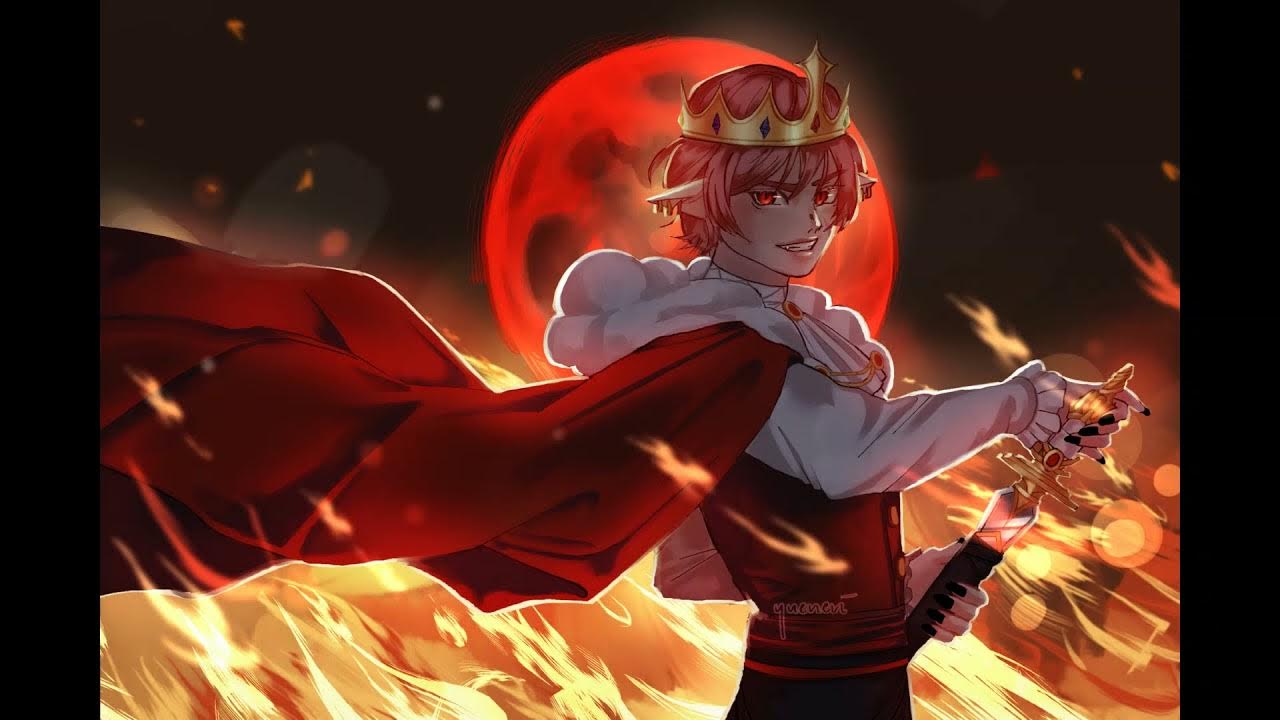
Okay this makes sense. I was thinking of adding witchcraft to the magic system.
Witches learn power from the Ideals via a special intermediary called a Patron. A Patron is an intelligent spirit like being that represents The Ideal. While Wizards and Mages are like people who melt ice and snow to drink water directly, the Witch's Patron are like water filters. Boons and Hexes are spells that effect changes representing the witch's interpretation of what the Ideal is, but aren't always as strong as a Mage or Wizard's spells. On the other hand, the lack of potency from a Witch's spells might actually be an advantage rather than a deficit. Reality won't punish the witch as harshly as a Wizard of Mage.
But this easier access to magic can be tempting, and is still dangerous with over use.
@ActRaiserTheReturned Remove this: "Lastly, especially experienced and powerful mages can absolutely unleash quickened spells on their enemies or desperate friends/allies without a ritual or repetitious casting. To do so, the mage needs a deep understanding of their Ideal they channel from."
Reword the last paragraph in Wizardry to this: "Through madness, ethical, philosophical and other such psychological changes, and in many cases even physiological changes such as petrified skin—in the case of Wizards of Earth—in the Wizard, they change into a different person, thus they are effectively lost. Some Wizards may even find themselves sacrificing their very lives in order to cast a desperately needed Wizard spell, whatever the reason, as without the proper casting, Wizard spells can be very dangerous."
And we are ok :) If you have any issues, I am open to discussing why Magick should not have incantation-less casting, even in high mastery levels.
I'm just curious, why these changes, especially the changes for Magick?
Would it be possible to do the "Swarm That Walks" mythic path or maybe Lich? I'm not entirely sure how it'd mesh with the story/plot considering both of those paths are definitive evil paths in pwotr
I could do something different otherwise, I like all the mythic paths, so I'm sure I'll be able to figure out something
If you do I'd prefer you choose Lich over Swarm that Walks.
Back on the farm he was born on. Raised by loving parents and spending days raising the animals, riding the horse, harvesting wheat and potatoes and all the other crops. Not a worry beyond when the next rain would come.
Even enrolling in the small school in the nearby town did nothing to overtly change things. He went to the same building and had the same teachers all the way up to graduation. He made friends, learned things practically and mundane, and when presented with an option to join a college he turned it down.
The only thing he had to worry about was the annual competition with the neighbor across the way to see who could harvest the most spuds.
Then they arrived, a set of well dressed men. Not a suit and tie, but nice clothes, tight shoes. The kind you do not see in a farming town, with some gilded tags to show off a name brand. They spoke with his father and left with many insults to their backs.
Life tensed, but carried on. Until they returned.
Alexander did not know how many came into the town to set it ablaze, he only knew once his house was lit. A cold night spent sleeping in the barn to keep an eye on a sick horse, warmed by the distant bonfire of wood and lit horizon of grain. By the time he arrived, nothing could be done.
All that could be seen were cars peeling off and a town that disappeared overnight.
Searching found few survivors, some of his friends. Together they pooled what information they had and set out on a journey to track down those who decimated their town.
First came criminals, the nearby gangs of a city and the mafia. Neither had answers no matter how many legs they broke. Moving onto cartels or other large syndicates proved just as worthless. Leaving them all battered and confused about who it was that they should direct revenge to.
Then, Alexander had a stroke of luck. Walking through crowded city streets, he spotted a generic car. It was newish, with a few scratches in the paint and a set of fuzzy dice on the rear-view mirror. But he saw the license plate, caked in dust but that dirt just let him remember it easier.
So he waited an hour, then two before a familiar face got in it. A simple effort led to him sliding into the passenger side and…persuading them into a more private area.
A day later and they had their information and a target. It was a surprise, but the government itself had moved against them. Further investigations proved this was hardly the first time, using their own secret forces and mercenaries to clear out towns for whatever reason they had at the moment. Money, or expansions, or just because some member wanted to.
It mattered little, they had crimes and they must pay. So Alexander's band of friends expanded out into a revolution. Turning a quest of vengeance into one of freedom for their small country. Creating a bloody civil war that led to a year of conflict that ended with the capital city consumed in explosions.
Soon, they stood upon a gallows of rubble and hung those who caused it all to start. It was a glorious day of fireworks and celebration, then…
His friends, those who he had fought and bled for try to reinstate that which caused all their problems. They spent so long fighting a government, why would they want to make another? Why would they betray him like that?
Perhaps he should have walked away, perhaps he should have seen the benefits of what they planned, but all he could see in the reflections of that celebratory bonfire were eyes that looked so similar to that Tyrant they overthrew.
Hindsight means nothing for what happened next. Alexander pooled his resources, called in his favors, and on the day that the new government building had been finished did the country once more see the fires of anarchy.
There was nothing left of that bright eyes revolution. Only dust and blood caked underneath the nails. So he left, traveling far north till he ended up in the vast regions of Siberia after years of wandering.
He built a cabin, a barn. Tended to what few animals could survive the cold and planted more potatoes. It was a peaceful life.
Until he got summoned.
Archetype - The Anarchists Blade
Those who have taken the title of ‘The Blade’ is a being who has become so proficient in the art of death that anything in their hand is as deadly as a Blade wielded by a master. They are not just mere warriors, they are those who have become a creature that has found some cause that they will do anything to win their battles for. They will scheme, they will shed their blood to leave an enemy on the ground, they will drive a pick through the teeth of those who dare try and obstruct them. They are presented as cunning, and simple minded folks who have been pushed beyond tilling the earth for potatoes and now seek to fertilize it with mountains of bodies.
The Anarchists Blade is marked by a singular obsession with freedom above all. Many call them Anarchists for many who become one have been under the thumb of an unjust government for far too long, but such reasons are not the only reasons one becomes a Blade. Some seek to free those from binds, others simply wish to see their family's wings free to soar the sky, others still just want the absolute freedom to be left alone in a cold cabin with their companions.
In the end, they fight for freedom. The only measure is how extreme the individual gets.
Mythic Path - Blood God
To those who have nothing left but the blood soaked fields they stand in. Those who have been abandoned by family, country, friends, traitors all. Those who have the thousand thousand voices of all those they have slain chanting in their minds and soul, BLOOD! BLOOD! BLOOD!
These are those who have hit the breaking point, the farmer turned butcher by those they sought to protect, gaining power from the viscera that soaks them and muddies the ground. From it, drawing forth weapons, constructs, beasts and magics that all cause more bloodletting to occur. Crafting a perfect feedback loop of violence unending.
They lay no claim to divine domains or power, but their title comes from the fearful tales spread of them. Of those who witness one man face a nation and leave a crimson ocean. Those who whisper in shaky breath, ‘Fear the Blood God, for nothing mortal remains that can be reasoned with if his eyes see you.’
Progression
Level 1 Fallen Hero Gain access to blood magics both offensive and self-healing. Their effects scale with the amount of bloodshed in the area, but take a toll on the user faster than they can heal. They must incorporate their own lifeforce into each move.
Level 2 Blood-Soaked Warrior Gain Access to blood weapon constructs. Inanimate objects made of hard, crystalline ichor that can match most mundane weapons construction.
Level 3 Bloodborne Power Can imbue others with blood transfusion, giving them limited time healing factors. In return, can claim a tithe of blood from willing participants nearby to strengthen himself and powers for a duration.
Level 4 Bloodshot Eyes Can now see blood through objects and effect it through Line-of-sight with magics and manipulation. Letting them draw it from great distances and see biological things that try to hide.
Level 5 Bloodrush A large increase in power of all abilities, alongside increased control. The cost of abilities is reduced and physical attributes are enhanced.
Level 6 Life Blood Able to now make Constructs of crystallized blood they have a life of their own. They can be self propagating or nearly rivaling the Blade in strength if built up enough. A side effect of this is the ability to teleport through constructs or through large enough pools of blood.
Level 7 Blood Chant The mere presence of the Blade causes the weather to change, drawing the blood fresh and long dried from the earth to cause a storm of crimson lightning and Wuthering Gales of viscera. The blood magics gain more raw power, now in the realm of being able to tear the life straight from the body of an enemy to create a weapon to stab back in. The sheer scale of everything also receives an increase.
Level 8 Blood Toll The self-sacrifice costs of all moves are now basically nonexistent, letting the Blade now become a truly unstoppable force that spews blizzards of crystallized blood shards and can heal or replace lost limbs in seconds.
Level 9 Final Bell Chime The toll of the final bell rings across the battlefield. All who hear it feel their ears run with blood and cry tears of crimson. Their pores weep and their hearts beat in tune with every ring of that distance sound. Merely being around the Blade when they are in combat will cause all that perceive him as an enemy to profusely bleed and empower him. The only correct way to describe them is a juggernaut, and the land shakes with his steps.
Level 10 Blood God There is no such thing as the divine for one so drenched in blood. There is no hell flame hot enough to dry his hands. He walks the earth alone, with only the countless Legions of blood made constructs around. Above roars the greatest creation, and below is an ever churning sea of faces that fell. Each voice an echo within their head as their life is used to drown the world in a biblical flood created from their bodies. How does one stop a man who bled the world dry and still wrung more out of it?
The Three Studies Of Magic The Three Studies of Magic are fields of study that mages use to cast spells by channeling The "Ideals". Ideals are the Abstract and Perfect: Ideals are not physical objects; they are abstract ideals that embody the perfect version of qualities such as beauty, justice, and equality. For example, while many beautiful things exist in the world, they are all imperfect copies of the Ideal of Beauty itself. Forms are timeless and unchanging concepts, basically existing outside of our space and time.
In a way, Ideals are extra "domains", only they don't belong to gods per se. A domain is basically everywhere in the universe, but Forms, or "Ideals" as they are also called, are outside time and space. Thus, a mage can't manipulate Domains, though a Priest/Cleric can. A mage CAN however, call upon these Ideals/Forms for their power.
Alchemy Alchemy is basically a form of philosophy called "Ideals(s)". Ideals are concepts that represent true reality, which exert their power over the flawed reality of the physical world. This doctrine of Ideals states that every alchemical ingredient has attributes, which indicate the possible powers it may yield when blended in a potion. Alchemy needs physical ingredients to function, which differentiates it from magick. Alchemy is not merely cheap magic, or potion brewing, but a way to exact change in the world, and in themselves through said potions.
Magick Magick is the most classical "Use hand gestures and spoken words for power" type of spell casting. In order to create a magical object, or to enchant one's self or someone else, rituals have to be performed perfectly. The reason for this is that Magick is basically channeling The Ideal(s) that the Mage knows into reality. Most Mages combine Alchemy and Magick together to cast spells. Think of Magick as whispers of Ideals. Magicians that learn Magick typically earn their knowledge from scrolls, spell books, and other inscriptions, rarely, but sometimes through oral recitations. The "magic words" are given power through these rituals and repetitious spell castings, rather than by being innately powerful like the spells of Wizardry.
Magicians are given the power to manipulate reality through channeling these Ideals, and depending on their level of expertise and skill, they can generally do so only a few or maybe several times a day before their spells begin to drain their strength or even their life force.
Wizardry While the other spells can be used from different languages, Wizardry it'self is cast by words that are innately magical. Spells from wizards are words that are innately powerful. Master wizards rarely cast spells of this form of magic with more than three words in a chain at once. Even three Words in one spell is equated to that of a master. Wizardry speaks Ideal into existence directly.
Wizardry is a process of studying Ideals. Proper study of Ideal(s) will allow the Wizard to learn more about magic, making the Wizard more like what they study until they are no longer just studying The Ideal, but infuse themselves with the power and esoteric qualities of Ideal(s) it'self.
There comes a cost to accruing too much knowledge and power through Wizardry. This is why proper Wizards require years, decades or sometimes even life times to Master, and why they are often depicted as wizened old men. Mastering more than one Ideal exacts the cost of acquiring the characteristics of said Ideal. If the proper precautions - rest, focus of technique, and meditation are not practiced regularly, the Wizard is no longer the same man or woman.
"Through madness, ethical, philosophical and other such psychological changes, and in many cases even physiological changes such as petrified skin—in the case of Wizards of Earth—in the Wizard, they change into a different person, thus they are effectively lost. Some Wizards may even find themselves sacrificing their very lives in order to cast a desperately needed Wizard spell, whatever the reason, as without the proper casting, Wizard spells can be very dangerous."
The Three Studies Of Magic The Three Studies of Magic are fields of study that mages use to cast spells by channeling The "Forms". Forms are the Abstract and Perfect: Forms are not physical objects; they are abstract ideals that embody the perfect version of qualities such as beauty, justice, and equality. For example, while many beautiful things exist in the world, they are all imperfect copies of the Form of Beauty itself. Forms are timeless and unchanging concepts, basically existing outside of our space and time.
In a way, Forms are extra "domains", only they don't belong to gods per se. A domain is basically everywhere in the universe, but Forms, or "Ideals" as they are also called, are outside time and space. Thus, a mage can't manipulate Domains, though a Priest/Cleric can. A mage CAN however, call upon these Ideals/Forms for their power.
Alchemy Alchemy is basically a form of philosophy called "Form(s)". Forms are concepts that represent true reality, which exert their power over the flawed reality of the physical world. This doctrine of Forms states that every alchemical ingredient has attributes, which indicate the possible powers it may yield when blended in a potion. Alchemy needs physical ingredients to function, which differentiates it from magick. Alchemy is not merely cheap magic, or potion brewing, but a way to exact change in the world, and in themselves through said potions.
Magick Magick is the most classical "Use hand gestures and spoken words for power" type of spell casting. In order to create a magical object, or to enchant one's self or someone else, rituals have to be performed perfectly. The reason for this is that Magick is basically channeling The Form(s) that the Mage knows into reality. Most Mages combine Alchemy and Magick together to cast spells. Think of Magick as whispers of Form. Magicians that learn Magick typically earn their knowledge from scrolls, spell books, and other inscriptions, rarely, but sometimes through oral recitations. The "magic words" are given power through these rituals and repetitious spell castings, rather than by being innately powerful like the spells of Wizardry.
Wizardry While the other spells can be used from different languages, Wizardry it'self is cast by words that are innately magical. Spells from wizards are words that are innately powerful. Master wizards rarely cast spells of this form of magic with more than three words in a chain at once. Even three Words in one spell is equated to that of a master. Wizardry speaks Form into existence directly.
Wizardry is a process of studying Forms. Proper study of Form(s) will allow the Wizard to learn more about magic, making the Wizard more like what they study until they are no longer just studying The Form, but infuse themselves with the power and esoteric qualities of Form(s) it'self.
There comes a cost to accruing too much knowledge and power through Wizardry. This is why proper Wizards require years, decades or sometimes even life times to Master, and why they are often depicted as wizened old men. Mastering more than one Form exacts the cost of acquiring the characteristics of said Form. If the proper precautions - rest, focus of technique, and meditation are not practiced regularly, the Wizard is no longer the same man or woman.
Through madness, ethical and philosophical changes in the Wizard, and other such psychological changes, they change into a different person, thus they are effectively lost.
@ActRaiserTheReturned I see, I read through the Wikipedia article that you (should have) referred to. Look, I believe the idea that magic involves accessing transcendent Forms to be philosophically rich, immediately distinguishing our setting from "magic is just another energy source". However, I believe that there are wildly different power levels between the three, especially when it comes to Wizardry.
You could flatten the power curve so Wizardry is the most versatile or prestigious rather than objectively superior. There should be a trade-off to "The Wizard becomes more like what they study." Lean into body horror & transcendence. AKA A Wizard of Fire grows feverish, their eyes glow, they stop feeling cold; A Wizard of Stone becomes slow, patient, and literally harder to wound; A Wizard studying the Form of Madness goes insane; A Wizard studying the Form of Death becomes undead. You see where I am going with this, power in exchange for humanity. A master Wizard of three Forms is barely human anymore.
We could equate Forms to be akin to Divine Domains, however exactly because they are not given/bestowed by a deity to the mortal, they are "impure" and "lesser" and as such, they exact a price from the Wizard in order to obtain said power for themselves. This helps with differentiating mortals that gain power from divine patrons and mortals that specifically study magic itself. It gives meaning to e.g. clerics or priests of a deity.
Also, I think you should give each school a domain of excellence: e.g., Alchemy excels at persistent effects (potions last days/weeks), Magick excels at large-scale or group effects, Wizardry excels at precision and speed. This solves the power level debate, as they don't even compete against each other anymore, there are simply different uses for each one and they all excel at what they are intended to do.
There is meat to this idea, but it needs further elaboration and fleshing out in order to find what its limits are.
Ah okay. Thanks for the feedback. I will flesh this all out a bit more, oh and sorry I didn't cite the wikipedia article.
I got this idea from Platonic Philosophy en.wikipedia.org/wiki/Theory_of_forms Plato's Theory of Forms, also known as the Theory of Ideas, posits that the ultimate reality consists of immutable and timeless abstract entities called Forms or Ideas. These Forms represent the true essence of things, encompassing not only mathematical principles but also moral and aesthetic ideals such as beauty and goodness.
A major concept in metaphysics, the theory suggests that the physical world is not as real or true as Forms. According to this theory, Forms—conventionally capitalized and also commonly translated as Ideas[4]—are the timeless, absolute, non-physical, and unchangeable essences of all things, which objects and matter in the physical world merely participate in, imitate, or resemble.
What Alchemy does is try to mimmick Forms, in other words, Platonic Ideals, using imperfect ingredients. Magick tries to do so using the spoken word, hand gestures and/or ingredients, And Wizardry sort of mirrors Form(s) directly. The Wizard speaks the Platonic Ideal, sort of phasing it from out of the other dimension/non dimension, and intermingles it with the universe.
I am not really comfortable with directly pawing/plagiarizing Magic frameworks from other books. I saw that you made come changes but that's just paraphrasing in the end.
Wizardry is the most changed from the original, but that is also in essence just the 'Rune Language' trope, which to be honest I don't mind having in this setting, if you can flesh it out more.
I am also sure that Alchemy and Artifice (which is what the Magick you have described basically is) can also be implemented if you can incorporate them into a new framework that would be unique to this setting.
Got it. I made a much simpler and less rip-offy system of magic.

 Redking0380
 st1cky
 Lunamaria Hawke
 Vec
Vec Rekkuza
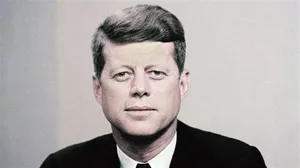 JFK
JFK ImagineTheStars