 tadcfnaf
 Lurking Krog
 rush99999
 Sister Sable
 Guardian Angel Haruki
 Lunamaria Hawke
 Alisdragon911
 DraconicDespair
Alrighty folks, this post will be seeing much in the way of revision as time goes on. I will be updating it with relevant information and using it as an ongoing log of just what the heck is even going on. Seeing as I've never run the system before, I will be utilizing some of the prewritten material I have in order to facilitate our initial soirees in the House. As such, please do not read through the GM materials in the handbook and quick start guide.
Household is a game told in a 'Saga', the term used for a 'campaign' in this setting and system. Specifically our game will take place within a period of time that will later be known as 'The Fragile Peace'. These years of opened borders and unparalleled Household travel are also years of trouble and highlight the tensions of neighbors who were once foes coming to terms with a world of peace and the struggles therein. Your characters will be the agents in this Saga, experiencing and influencing The Fragile Peace.
A Saga is composed of Chapters, which are themselves composed of Paragraphs. If I were to equate these to more common D&D vernacular, it means that our Campaign is built out of Adventures, which are themselves comprised of Quests. The book has a recommended length of a Saga, but we will go by feeling for our purposes. There is something unique about the presentation of Household that I will discuss, however...
Household encourages changing characters, and having concurrent groupings of Littlings who experience the world simultaneously in different places. I rather enjoy this element to the system, but understand if this does not call to everyone as it does to me. This would allow the players to witness different and potentially far apart sections of the House from fresh sets of eyes, and potentially contribute to the Saga of The Fragile Peace with different perspectives and ideologies without sacrificing one particular group's cohesion or besmirching a character's ideals to do so.
Advancement is tied to progressing along the Saga, particularly concluding a Chapter.
Another extraordinarily important thing to explain is Littlings and their Contractual Obligations. Contracts are important to the Little Folk, and everything in the house is defined by Contracts and their concessions by the Forces or their representatives. The Forces are virtually any natural force or concept, and in my eyes they are held to a level that most settings would call deities. All the Littlings are bound by contracts, ranging from their Hereditary contracts which define individual Folk-Type bindings and benefits, to Personal Contracts which are individual Littlings gaining unique favor with one Force or another.
The House itself is a wonder, built by the Master for his Family. It has been many years since the Master walked the halls of the House, however, and no Littling has the strength to master the House itself. A such, the House's exact proportions are unknowable. The greatest of scholars have theorized that a great contract binds the domain of the House, and as such locations within the House are mysteriously perceived in warped measurements. A common example of this is a City within a Drawer; once you enter into the city, the expanse may exceed the literal confines of the Drawer as measured from outside. This phenomenon is noted in many places in the House, and is functionally the game's way of going 'things are as big or as small as they need to be for the importance in the story'. I dig this part. It even notes that the Dining Table's surface is often measured to exceed the area between the four legs of the table, which causes no end of bickering among scholars who try to explain this phenomenon beyond the conventional assumption of a Contract.
Brief Summary and description of the Demesne Contract here.
There is a timeline, various maps, and detailed historical/cultural artifacts to each of the nations, major cities, and the Folk of the House. I will elaborate on what I feel is necessary as time passes, but for now this will be the launch of the OOC as I shuffle the character materials to all those interested.
Saga Structure
Household is a game told in a 'Saga', the term used for a 'campaign' in this setting and system. Specifically our game will take place within a period of time that will later be known as 'The Fragile Peace'. These years of opened borders and unparalleled Household travel are also years of trouble and highlight the tensions of neighbors who were once foes coming to terms with a world of peace and the struggles therein. Your characters will be the agents in this Saga, experiencing and influencing The Fragile Peace.
A Saga is composed of Chapters, which are themselves composed of Paragraphs. If I were to equate these to more common D&D vernacular, it means that our Campaign is built out of Adventures, which are themselves comprised of Quests. The book has a recommended length of a Saga, but we will go by feeling for our purposes. There is something unique about the presentation of Household that I will discuss, however...
Household encourages changing characters, and having concurrent groupings of Littlings who experience the world simultaneously in different places. I rather enjoy this element to the system, but understand if this does not call to everyone as it does to me. This would allow the players to witness different and potentially far apart sections of the House from fresh sets of eyes, and potentially contribute to the Saga of The Fragile Peace with different perspectives and ideologies without sacrificing one particular group's cohesion or besmirching a character's ideals to do so.
Advancement is tied to progressing along the Saga, particularly concluding a Chapter.
Another extraordinarily important thing to explain is Littlings and their Contractual Obligations. Contracts are important to the Little Folk, and everything in the house is defined by Contracts and their concessions by the Forces or their representatives. The Forces are virtually any natural force or concept, and in my eyes they are held to a level that most settings would call deities. All the Littlings are bound by contracts, ranging from their Hereditary contracts which define individual Folk-Type bindings and benefits, to Personal Contracts which are individual Littlings gaining unique favor with one Force or another.

The House
The House itself is a wonder, built by the Master for his Family. It has been many years since the Master walked the halls of the House, however, and no Littling has the strength to master the House itself. A such, the House's exact proportions are unknowable. The greatest of scholars have theorized that a great contract binds the domain of the House, and as such locations within the House are mysteriously perceived in warped measurements. A common example of this is a City within a Drawer; once you enter into the city, the expanse may exceed the literal confines of the Drawer as measured from outside. This phenomenon is noted in many places in the House, and is functionally the game's way of going 'things are as big or as small as they need to be for the importance in the story'. I dig this part. It even notes that the Dining Table's surface is often measured to exceed the area between the four legs of the table, which causes no end of bickering among scholars who try to explain this phenomenon beyond the conventional assumption of a Contract.
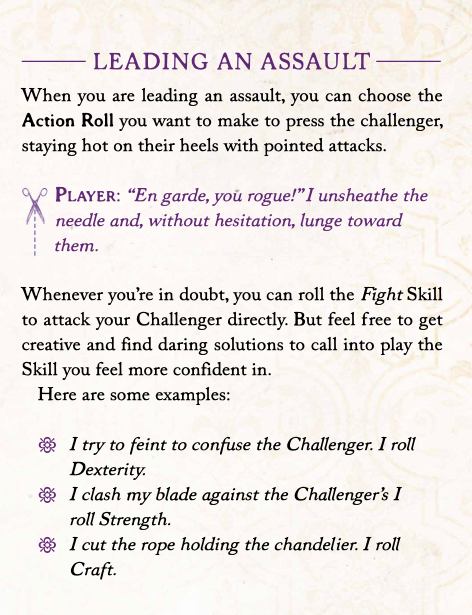
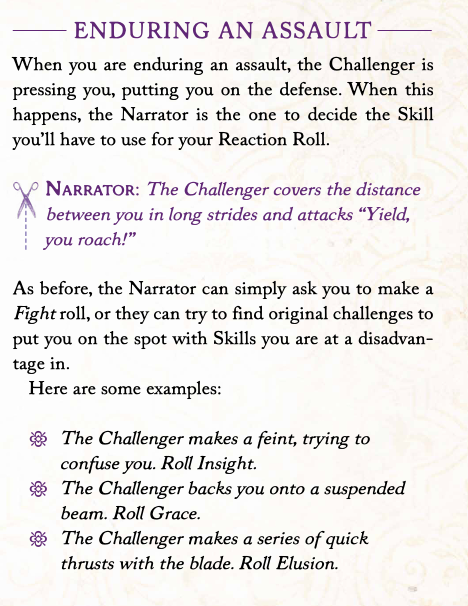
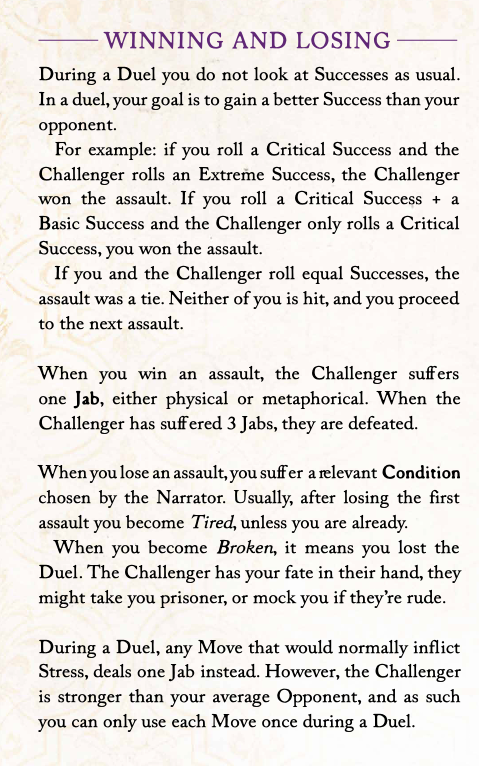
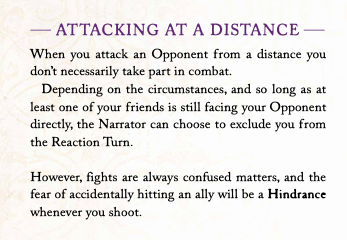
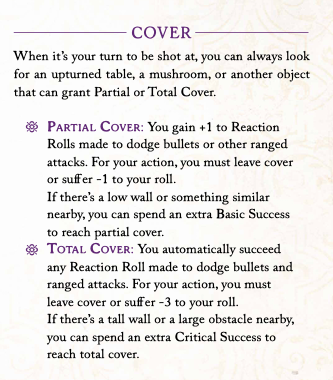
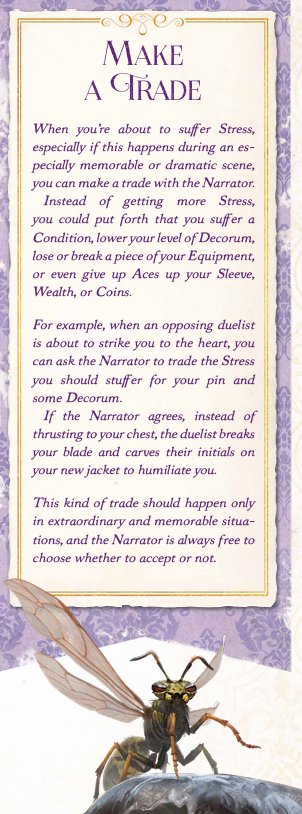
Mechanics


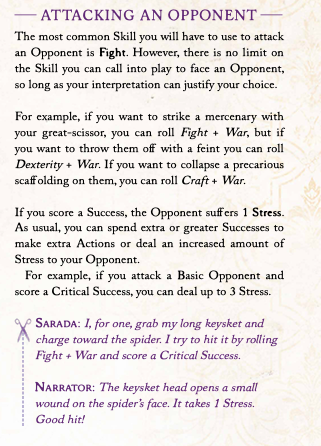
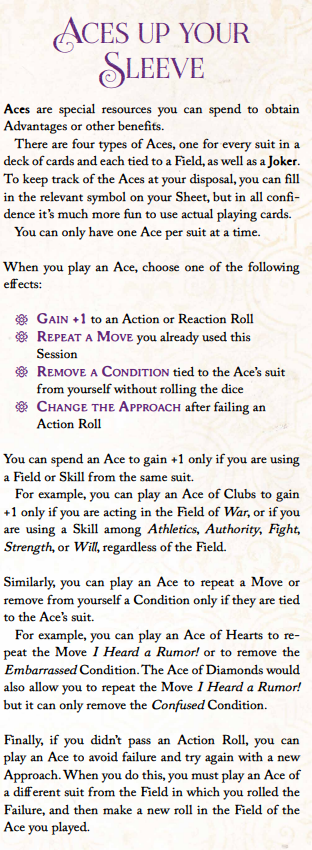



Setting and Map; The House
Brief Summary and description of the Demesne Contract here.
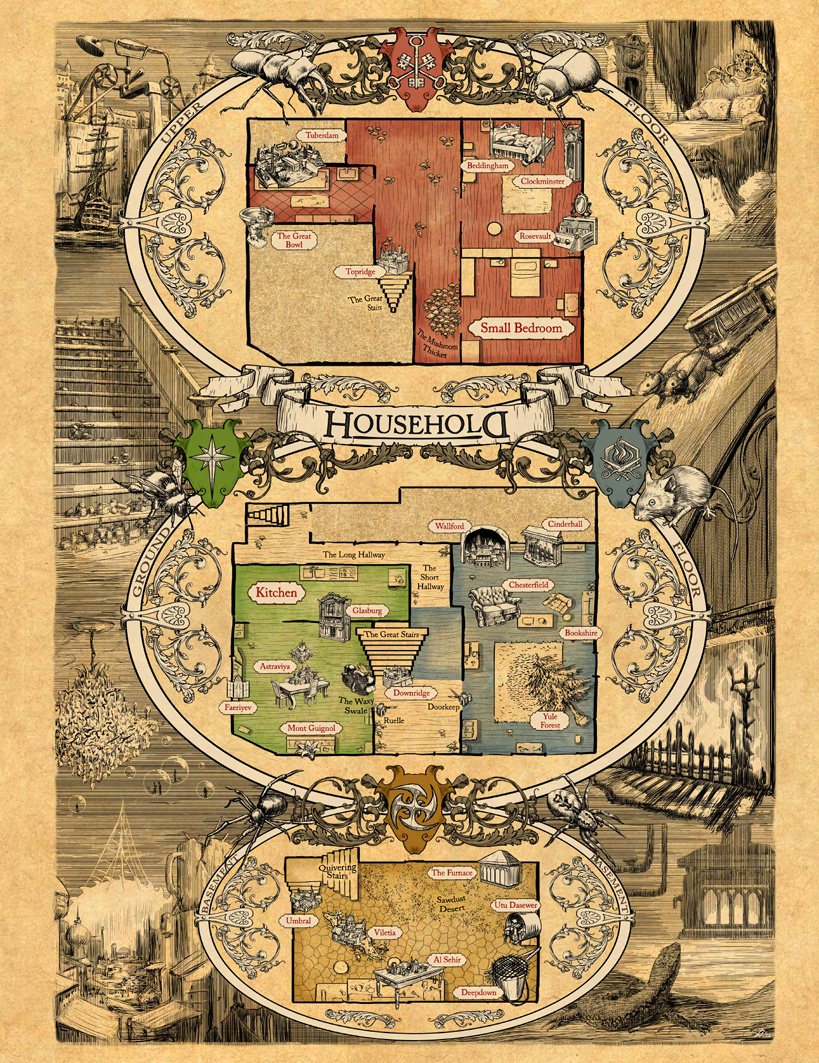
There is a timeline, various maps, and detailed historical/cultural artifacts to each of the nations, major cities, and the Folk of the House. I will elaborate on what I feel is necessary as time passes, but for now this will be the launch of the OOC as I shuffle the character materials to all those interested.