We will work with a ‘troop class’ system which will give you a basis to work from but still allow you liberty to fill in your own armies and forces. However, you should try and keep true to the setting. I suggest you take inspiration from the Late Roman Army.
The fixed unit size and label is a regiment. An infantry regiment can vary in size from 1,000 to 3,000 combatants, whereas a cavalry regiment numbers around 400 to 500. When creating your army, keep in mind that you state the size of your regiments. The limitanei have a 1/3 ratio of your total armed forces. The palatinae and scholae combined cannot exceed the same ratio of 1/3 of your total military. Additionally the scholae regiments cannot exceed the number of 5.
Beside the troop class there are also troop types: infantry, cavalry, ranged. Which are in turn divided into sub-types corresponding with their function. Infantry for example can be divided into light, medium and heavy infantry with varying weapon types such as spearmen, pikemen, swordsmen, …
While these troop classes seem very strict and linear, the elite units such as the palatinae and scholae offer you more liberty and customisation. The limitanei and comitatenses are pretty straightforward in order to have a more general/common feel for the Imperial Army though you are free to incorporate ‘regional’ difference such as different hair styles or sword/spear types.
Should you pick up a non-imperial nation or faction, you will have a less defined basis to work from.
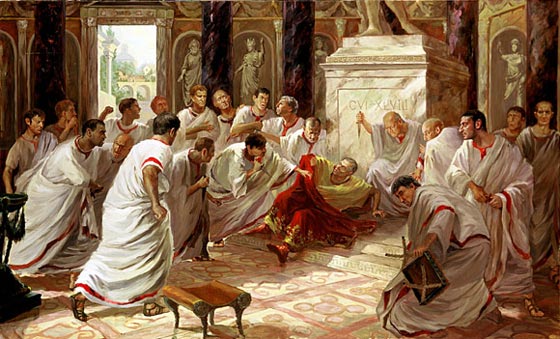
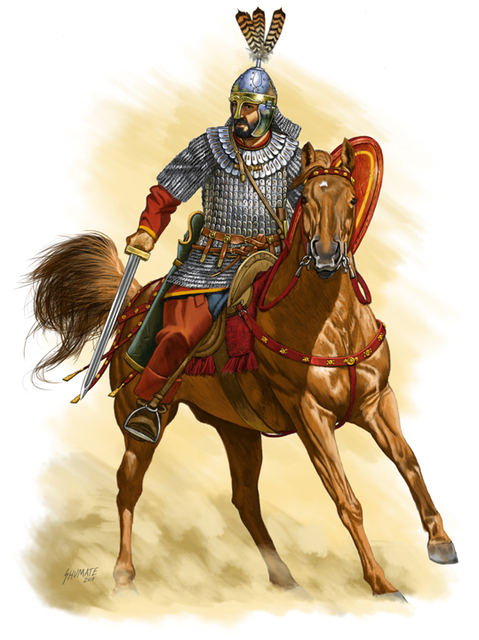
Troop ClassesThe military is based on that of the Roman Empire in Late Antiquity, the period of the Tetrarchy and Dominate to be more precise, which corresponds with this roleplay’s setting. As such, your militaries should resemble the limitanei and comitatenses. In addition to these two ‘troop classes’ there are the palatinae and scholae classes as well as auxiliaries. So in total there are 5 troop classes. The illustrations are there for the sake of offering examples, give you an idea.
The
limitanei (or ‘ripenses’) are professional soldiers that tend to perform garrison and frontier (‘limes’) duties. They are inferior to the comitatenses, in that they lack heavy armour, but not by much in other regards and can comprise of both infantry and cavalry.
These troops will form the mainstay of your defensive forces, but can –at a risk- be deployed offensively.
The
comitatenses form the mainstay of your field armies. They are full-time soldiers with good equipment and combat experience. Better armed and armoured, they are led by capable officers and display excellent discipline. This troop class can contain anything from infantry to
cavalry or ranged troops.
The
palatinae are, as the name suggests, palace guards –at least originally. However, due to the changing concept of imperial duty, they act as the heavy core of field armies. Elite units, their equipment is very customisable to fit their tasks. Palatinae forces can include light and heavy infantry or
cavalry.
The scholae troops are the best of the best, usually made up of heavy cavalry regiments. With access to the best equipment and resources, the scholae are a fearsome weapon in the right hands. In recent years they have taken over the role as Imperial bodyguards.
The auxiliaries are an extremely diverse troop class. They are drafted from affiliate nations and ethnicities. Some examples would be Silorian infantry armed with axes and short swords, or horse archers from Bossonia or Attalan cavalry.
[hider=Magic]
“Magic is extremely rare. Little is known about how exactly individuals gain magical abilities, but it is clear it has to do something with a ‘shadow world’ – a mirror to the real world. It is there that the Gods and Goddesses reside and watch us mortals. It is there that they judge and gift their servants with incredible powers.” – Edunius the Elder on the occurrence of magic
Because magic originates from the deities, for they are the source of everything, true sorcerers and magicians are usually found serving as priests in the temples. However, sometimes priests and priestesses are cast out after malpractice or an infraction against the codes of the temples. They become apostates, and though their magical potential is diminished due to the omission of divine favour and the distance to the sources of power (usually located in said temples) they are still capable of powerful sorcery.
However, these apostates have to be careful, for without the divine protection, daemons pry on them and attempt to break free of the shadow world. Not many apostates manage to fend these infernal entities off and succumb to madness or have their will enslaved. Yet there are the few exceptions who withstand the daemonic voices.
[hider=Religion]
There are many forms of religions but only four are worth mentioning.
In the ancient times, when the Empire was still young, a pantheon of syncretic gods was formed. Imperial and foreign religion influenced one another and gave birth to what is now referred to as the Old Faith. A plethora of deities, not all of them clearly defined, reside in the shadow world and only barely take interest in the lives of mortals.
The New Faith has only been around for two centuries and has known a rapid growth, particularly across the eastern and southern provinces of the Imperium. Instead of preaching to several divine personalities and entities, they advocate there is only one true God. He will lead his flock to salvation, and protect them from the powers of darkness.
Further to the East, in the Bossonid Empire and Erthania there is the cult of the sun. Though the Old Faith has adopted the deity and dubbed it Sol Invictus (the victorious sun) the Bossonids firmly believe there are only two three gods; the first being Oraster (Sol Invictus), the second his sister-wife Andarte (who corresponds with the chief female goddess) and their brother Morden (God of Darkness and the Underworld). Some believe Morden is merely the second face of Oraster. Light is terribly important to the Bossonids and followers of the Sun Cult.
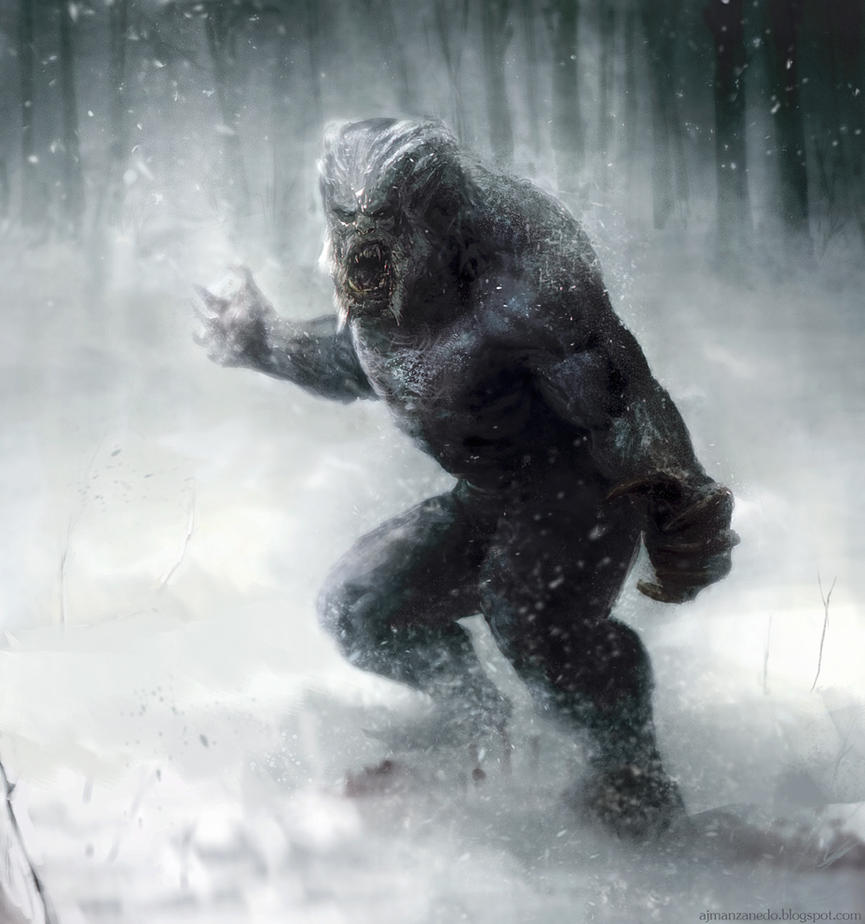
Lastly, there is paganism. A mockery of a faith, or so it is called by the Old and New Faith, for pagans are barbarians. Their gods are dark and unpredictable, residing not in temples but in the open air. Spirits of forest, earth, fire and water whom server bigger more powerful entities. Their servants are shamans and witches, blessed with unholy powers. Rumours are plentiful about the atrocities committed to please the pagan gods, rumours about human sacrifice and blood magic.
 Member

 jeroukoo
 Nightwing95
 Ezekiel