Updated large portions of my NS, including a territory map.
Alfhedil Member
What do you see Kaneda?
STATUS: This is why you shouldn't use an actual toaster to host a website. 8 yrs ago
- Last Seen: 1 day ago
- Old Guild Username: Shimmerene
- Joined: 12 yrs ago
- Posts: 1429 (0.32 / day)
- VMs: 2
-
Username history
- Alfhedil 12 yrs ago
-
Latest 10 profile visitors:
-
Most recent →
 Captain Uni,
 ASDAValueMilk,
 Scrawl Banditta,
 Quest Abandoner,
 Lunamaria Hawke,
 Sep,
Sep,
 Sir Lurksalot,
 Not a Sayan,
 Neziul,
Smike
Neziul,
Smike
Status
Recent Statuses
8 yrs ago
Current
This is why you shouldn't use an actual toaster to host a website.
5
likes
9 yrs ago
[@Dnafein] Because people are salty about didney and have forgotten about the prequels.
2
likes
9 yrs ago
*angry moth sounds*
9 yrs ago
Joke's on you Dagoth-Ur, I brought eighty bottles of sujamma.
1
like
9 yrs ago
No.
Bio
User has no bio, yet
Most Recent Posts
<Snipped quote by gowia>
Just finished the history, if you would like to help with some ideas just say so.
We have a player who controls Russia, you should probably clear things with them before going further. Also, neither of my nations would have been likely to offer assistance against the ottomans, despite being Christian.
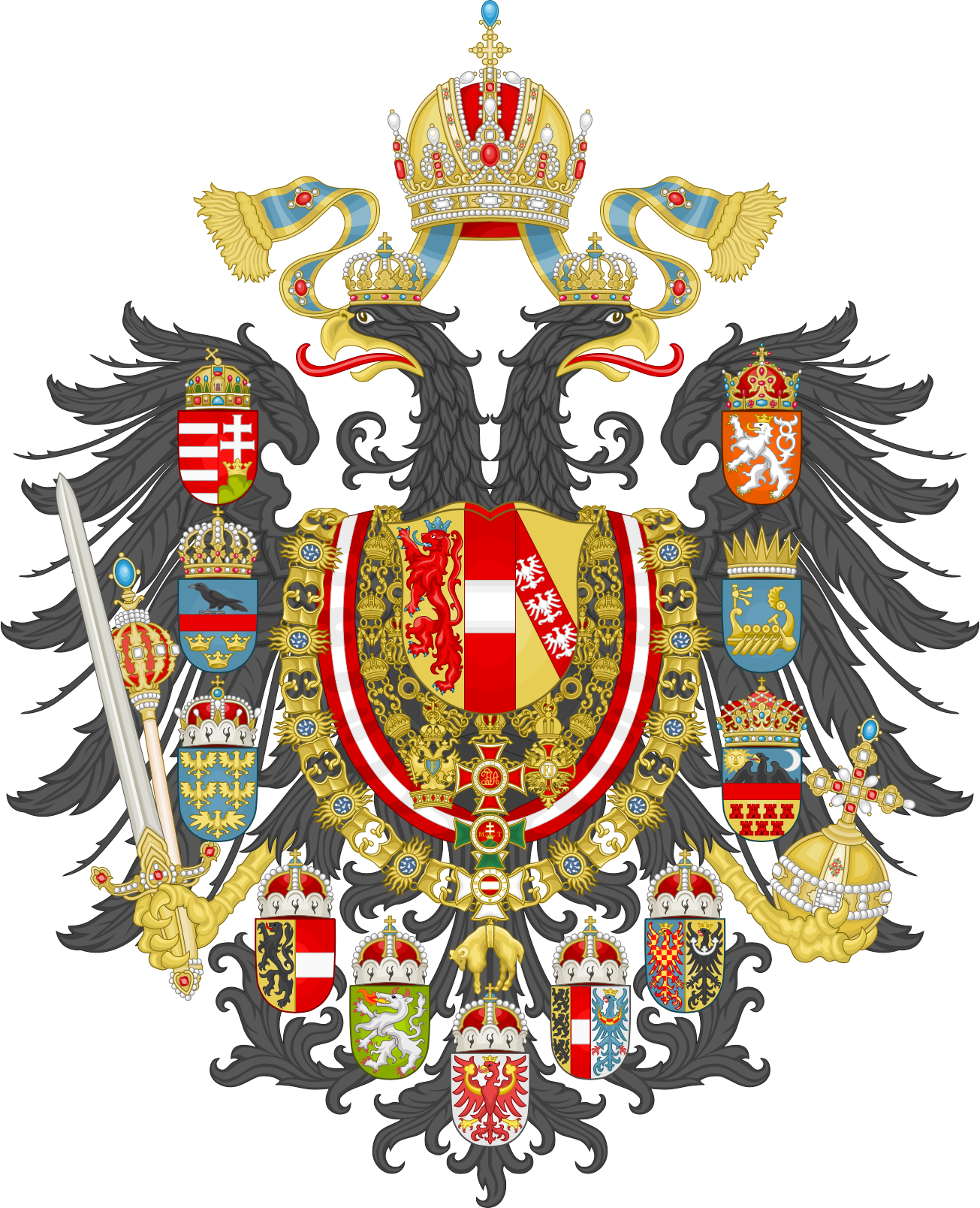


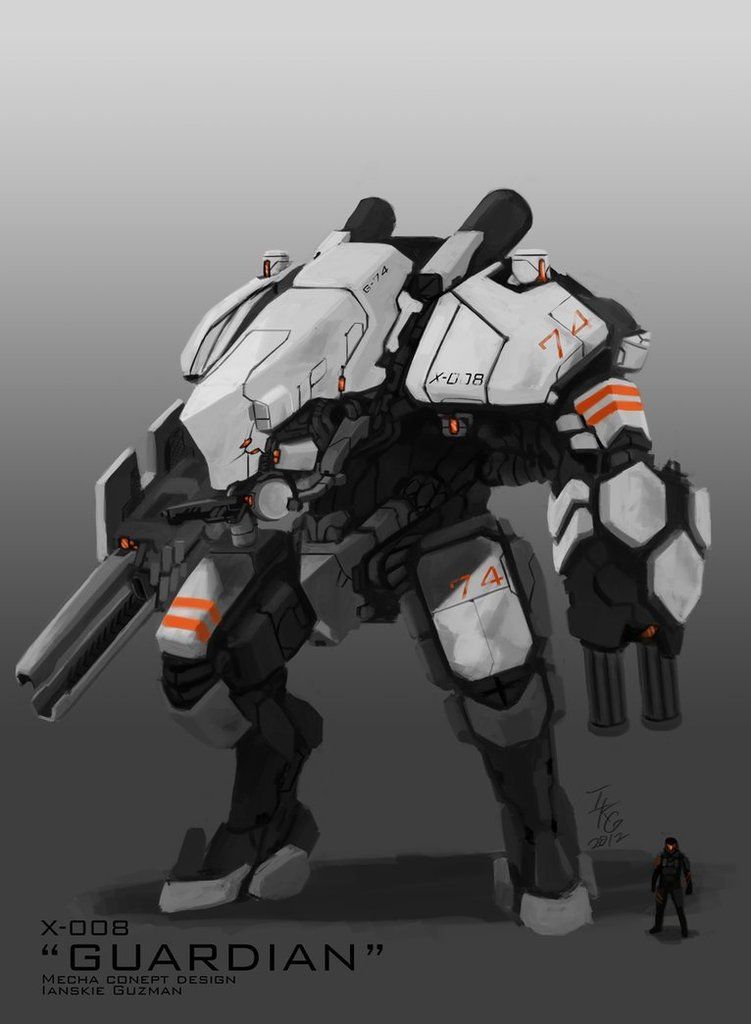
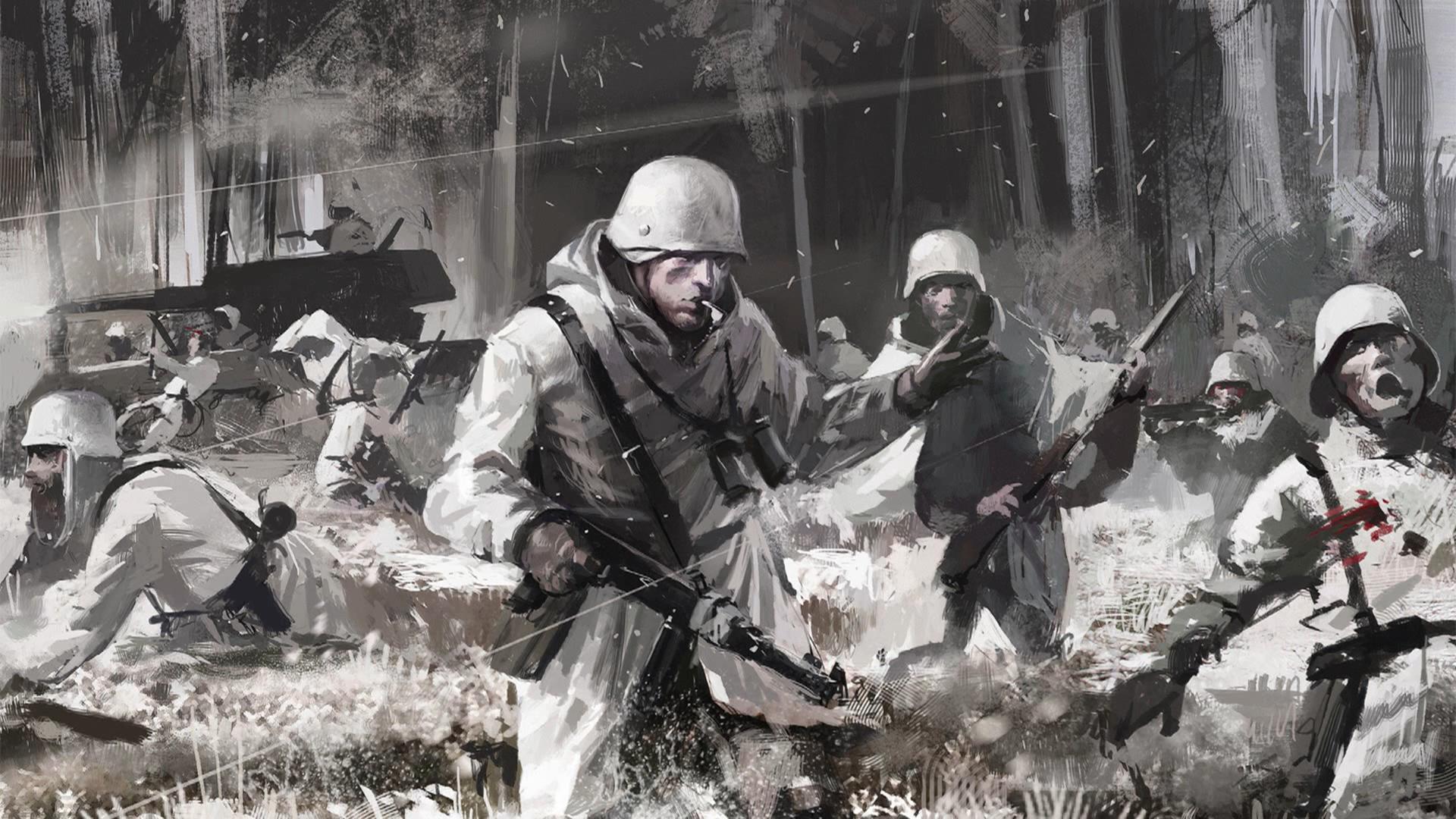
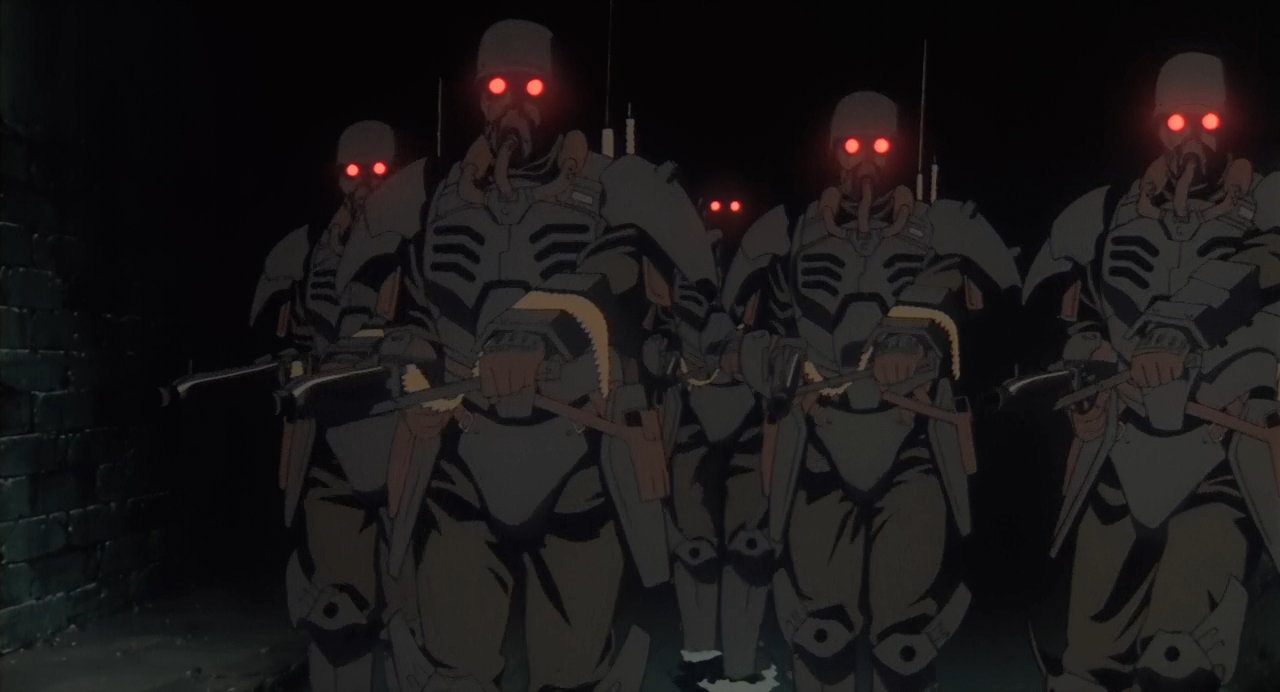
I'll be working on my Technocracy in the morning/tomorrow. Expect tanks and mechs and all sorts of technological wonders to fill the setting.
<Snipped quote by Alfhedil>
Ah that works, I am going to enforce a rule though that characters need to be named after their culture and ethnicity, I rather not have Bobs in Asia or Latin America.
That's fine, the nations I have are both from that cultural region, Eisenkreis being Germanic/Austrian and Kzechverin being Czech/Lithuanian/Ruthenian/Hungarian/Polish. Together, I plan for them to have come about in a union between the two states similar to how Austria/Hungary did in real life, but also with the interests of creating a strong industrial base to take advantage of this Blue Coal stuff, and take the lead in the market for mechs/tanks/armoured units.
<Snipped quote by Alfhedil>
I did forget to mention though, preferably you should stick to the culture of the nation, although some modifications are acceptable
Culture will be spot on for both aspects of my nation, names will be changed a bit, though. Also, was thinking of being more of a technocracy and one who's interests remain in the Old World.
Glorious. That works excellently with what I have planned.
About how much freedom do we have to tinker with the nations as they are? Like, are we to stick with mostly historical, or are we free to alter them into being our own creations that are somewhat similar to the original?
<Snipped quote by Alfhedil>
Would that be before or after it turned into the dual Austrian-Hungarian house?
After, if you please.
Sure, I'll have a go. Note me down as the Austrians.
© 2007-2026