Pandemarboraea
The Mu or the Treantity
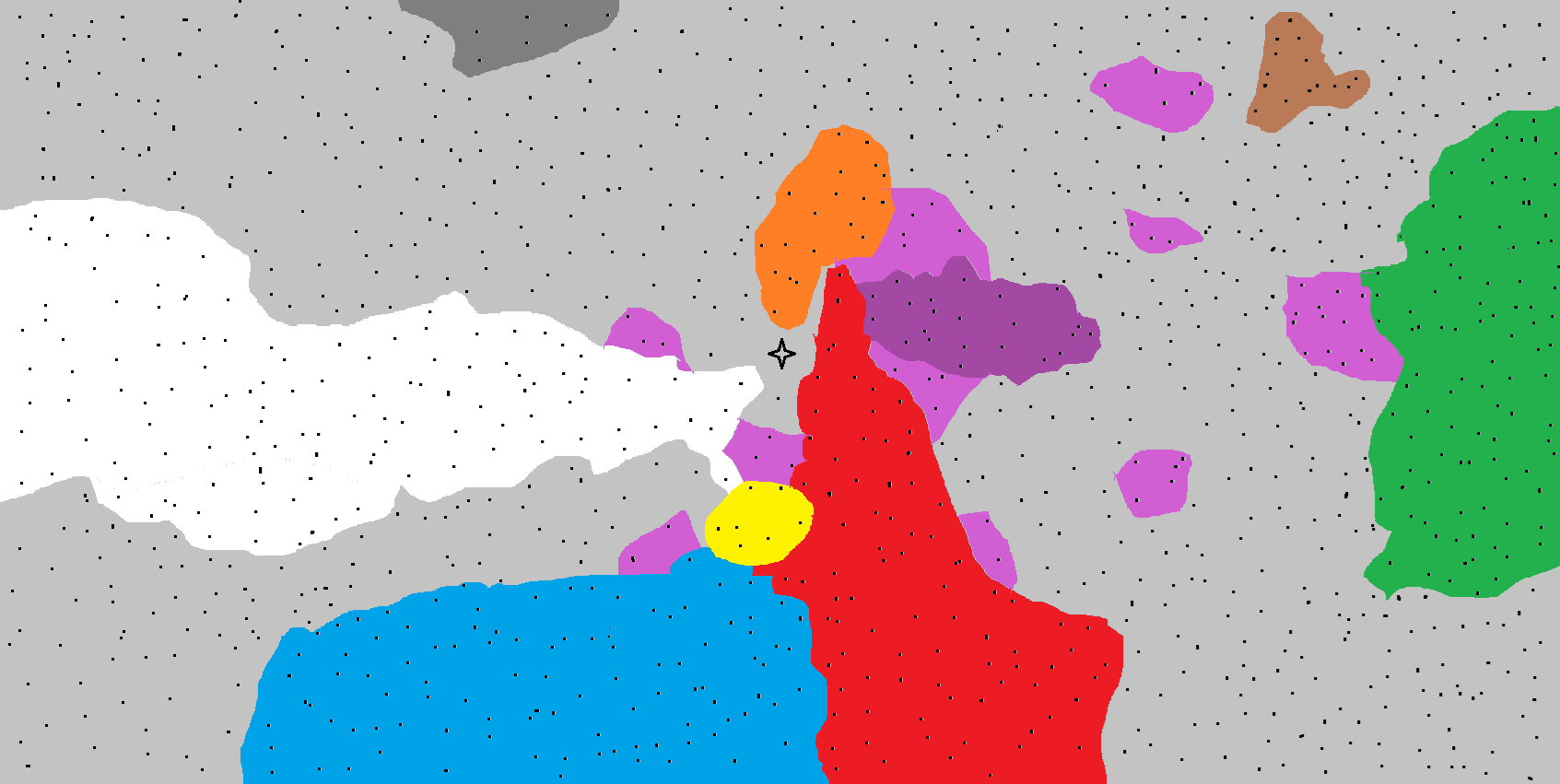
Map location tba.
Dual chamber wise oligarchy: Pandemarboraea is ruled by a council of the oldest trees in the nation, known collectively as the Roots. The Roots gathers in the spring of the capital planet, Grra, to draft the requests of the Branches, the myriad of planetary and continental councils beyond Grra. While the Roots and the Branches ideally are equal according to the law, all final decisions on national governance are ultimately made by the Roots. The Branches may handle local planetary policy, but any hope of impacting the national scale remains exactly that – a hope. Non-Mu species are for all political intents and purposes considered non-citizens.
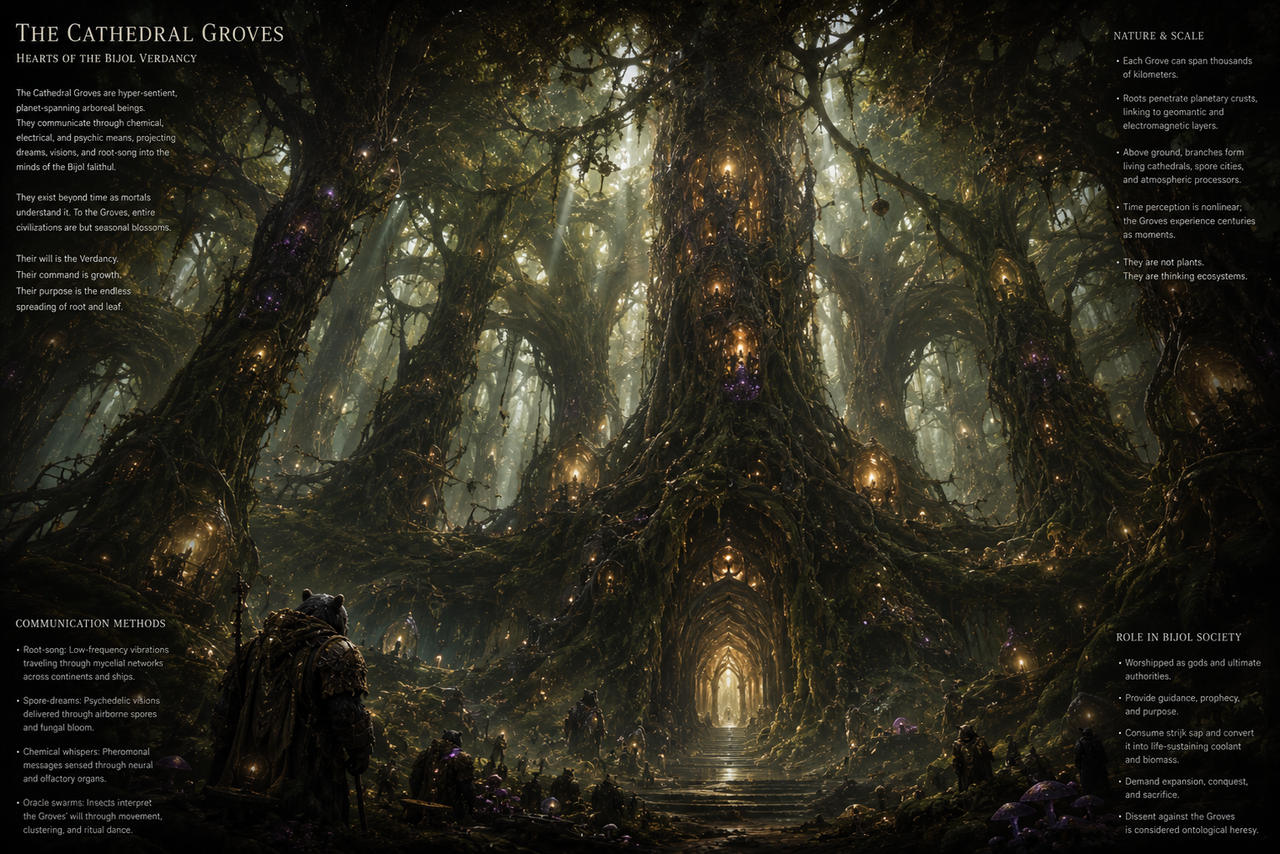
- The most numerous and volumnous population group, making up more than 99,99% of national biomass. Mu is an etic collective term for the native trees of Grra, meaning it is a term used by non-Mu to refer to the trees. In reality, there are a number of different species of trees which fall into the category of Mu, and each have specific characteristics that give each of them, even externally, a great deal of personality. To mention some:
- Crushwoods (Pandemarborea brutus): Also known as vengevine or Rage-Mu, these are tall, mahogany-like giants with moveable branches. Each branch weighs several hundred kilogrammes at the very least and are deceptively flexible, meaning crushwoods may use their branch as combat appendages. They are easily prone to fits of rage and neighbouring trees will even battle each other over access to good soil. They are closely related to the trees which form close-distance combat weaponry on Mu ships.
- Wildhearts (Pandemarborea indomitus): Also known as spirit trees or Thought-Mu, this ivy-like tree climbs along the branches of fellow giants as they grow, strengthening the Lazarus Consciousness around them wherever their webs of vines are spun. They cannot move by themselves, but move with the trees that they are attached to. Their manifestations in the psionic plane are immensely powerful, and they are able to manifest in the minds of even psionically modest individuals. However, some do so for nefarious purposes, luring or tricking mobile creatures for fun or for murder, especially if they grow around a flesh oak, a tree which is notorious for hunting and consuming live prey. Wildheart ivy is considered a sacred hallucinogenic by the Followers of the Juan, as when burned, it allows everyone who breathes in the smoke to access the Lazarus Consciousness. However, the act of harming a wildheart is a sin to the Adepts of the Grove. As such, wildheart ivy is a frequent source of skirmishes between the two factions.
- Explorers (Pandemarborea hermeii): Also known as the starvines or Travel-Mu, these were the subjects which were observed by the onlookers who first witnessed the planet Grra sprout roots into space and grow into neighbouring planets and asteroids. Explorers are sown from the seeds of some of the oldest giants on Grra, but modified with exceptionally strong and wide roots which can grow tall enough to break into space without cracking. They are immensely hungry for nutrients, and especially tall specimen which search too long for asteroids will begin to consume the trees around their root systems, leading to enormous deadzones around certain specimen. Once they dig their roots into another world, however, they immediately begin pumping nutrients back to their origin planet, sparking massive overgrowth around their roots. If explorers die, their trunks eventually snap in the tension points between the gravitational pull of the planet they grow on and the momentum of their roots in space. When this happens, the explorer on the ground collapses in on itself, causing apocalyptic levels of damage as it falls. However, since they also are fountains of nutrition, they are quickly swallowed by the undergrowth again. Pandemarborean space is known to have asteroid fields around certain planets and clusters composed of cubic kilometres of shredded explorer trunks, making space travel quite hazardous at times.
As Mu struggle to communicate with others than their own kin, they are often generalised into a single entity or a subset of entities by others within and without the nation. Mu are generally dismissive of other creatures and are fiercely warlike in the face of external threats. Their thirst for more nutrients for the core back on Grra fuels a planetary conquest across the stars to assimilate all planets into one great galaxy-spanning forest.
The Lazarus Conscioussness (LC)
Among themselves, Mu communicate through the psychic plane known in contemporary muologist literature as ‘the Lazarus Consciousness’, dubbed after the Yrranian research mission to Grra all those centuries ago (see History section). Within the Lazarus Consciousness (LC for short), each and every tree’s own personality and character manifest as a hazy, incorporeal spirit which seemingly acts and lives in physical space, but cannot interact with the world beyond being observed. The LC can be accessed by individuals of high psionic potential, and even those of lower potential if a wildheart is involved. The Mu spirit form will depend on the minds of the beholder, and every spirit will manifest differently depending on the observer. They speak telepathically. Very powerful Mu with great control over the LC can also influence real space, but only in poltergeist-like fashion. Legend speaks of the most ancient of the Roots being able to manifest more than that, but no xenos has ever witnessed such.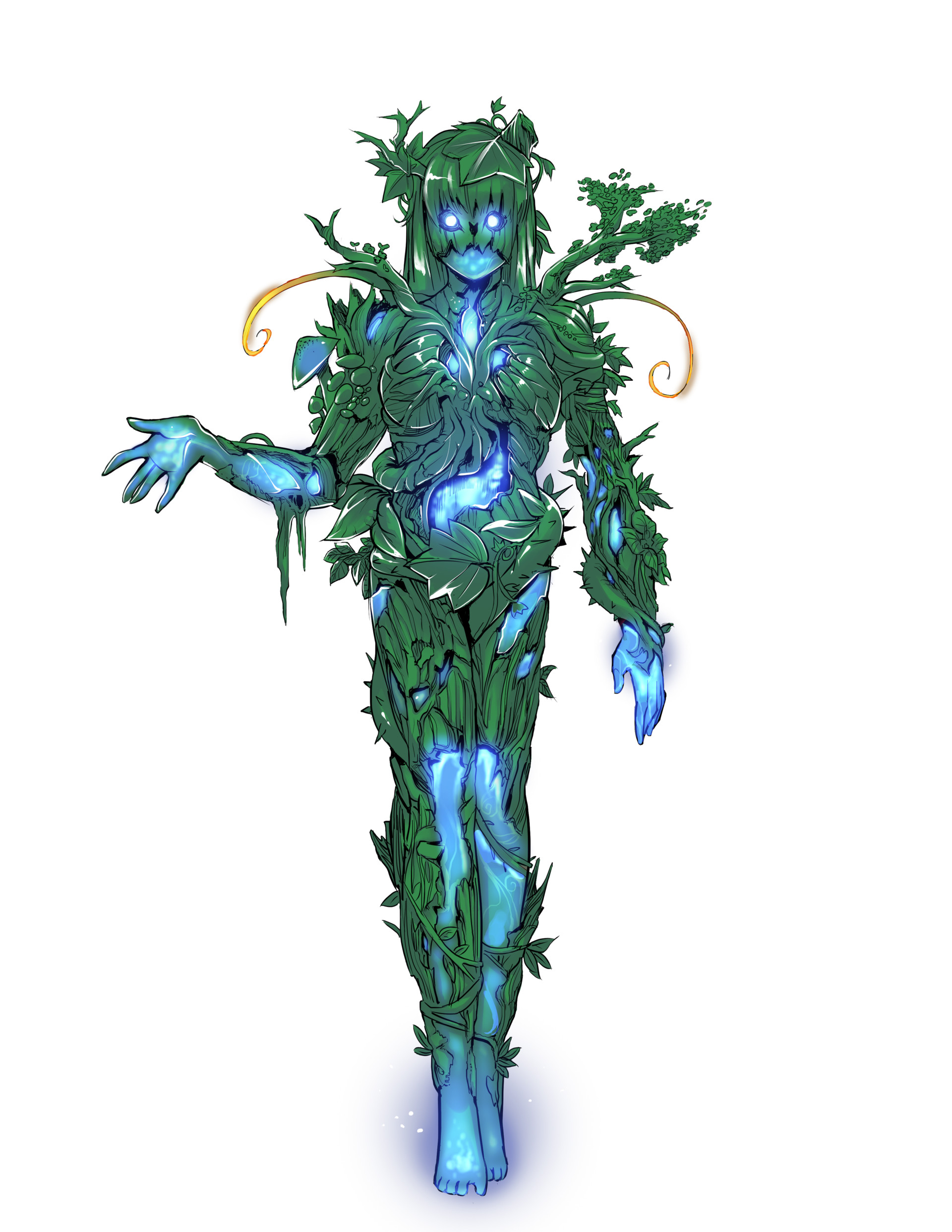

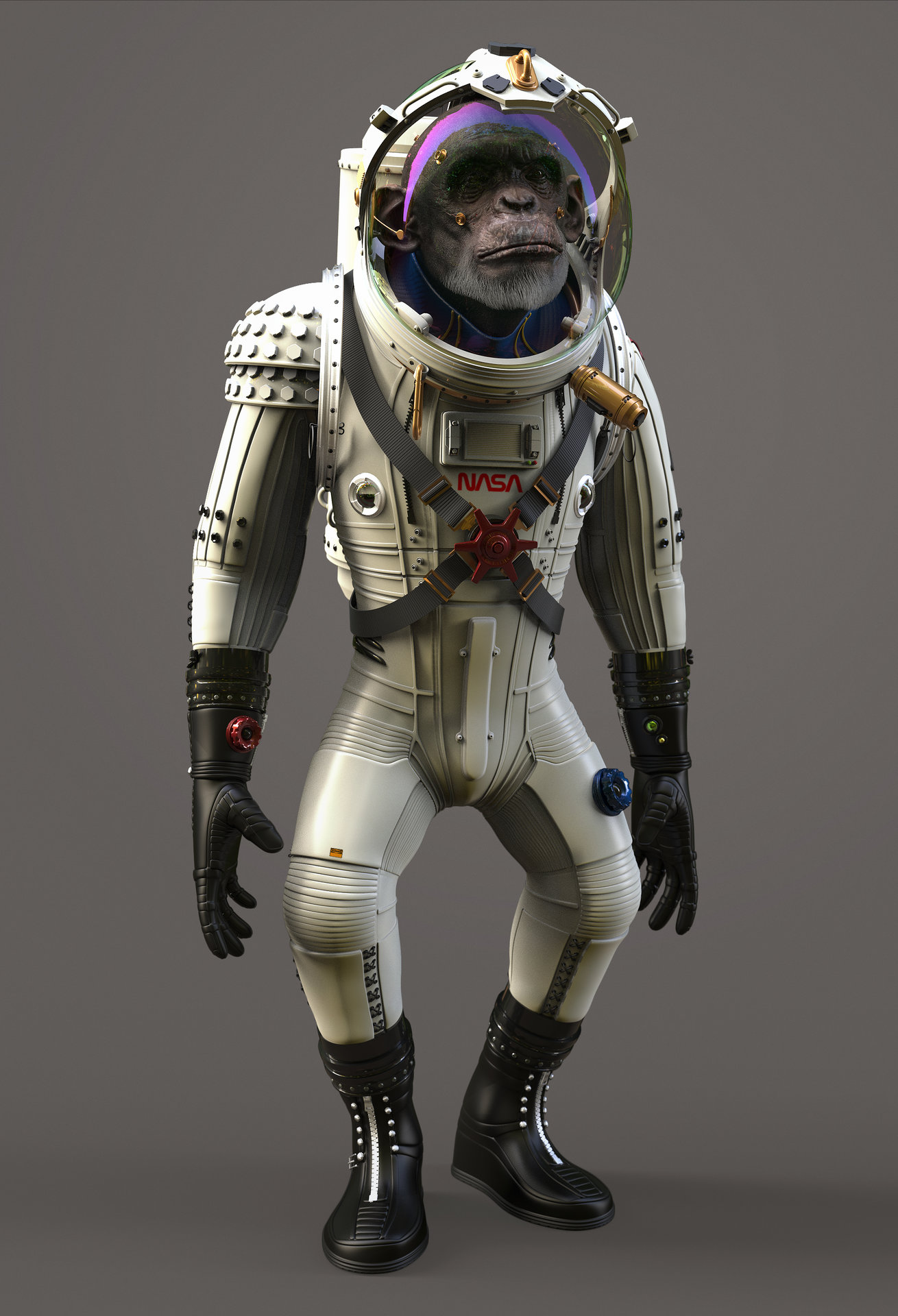
- The Simmies are a subject of Yrrani experimentation with humans. Failed attempts to create a new type of super soldier from the disparate human populations of the old Empire left a myriad of miscreants that in a different universe could have been their distant cousins. Shunned by the humans from which they came, they now take shelter in the distant corners of the galaxy. They come in shapes that are strong and muscular with black fur to smaller and nimbler. They typically take up home in the trees and live off of the fruits of the forest, trying as much as they can to not invoke the wrath of their hosts. Simmies commonly work as mechanics, electricians, drone operators and construction workers on account of their agility and dexterity. They still separate themselves in a number of ways, particularly by means of language, which they convey through hand signs and grunts. A few individuals have psionic potential which they use to communicate with the Mu and function as translators. Others have special genetic mutations that allow them to speak, making them ample translators with other xenos races.
- The third largest demographic on the Treantity is a highly diverse group of species united by a purpose: the reverance and worship of the Mu. The Adepts of the Grove number in the millions and are spread throughout the whole network of roots connecting the planets of Pandemarboraea. Most of them live normal lives with occasional worship, but a small subset devote their lives to become ordained treests. The tenets of Groveneration uphold respect for the Mu above all else, gratitude for that which the Mu provides, and death to those who seek to destroy the Mu and all it gives. The adepts accept all races, and include simmies, humans, daxini and all other xenos that live on the Treantity.
Groveneration prohibits all harm towards the Treantity, as well as zero tolerance for interference in the Lazarus Consciousness. The LC is treated akin to a divine realm separate from reality, and to even perceive its spirits is considered a sign of corruption. Only the highest of the Grovekeepers are allowed to commune with the Mu, and anything lesser doing so is seen as blasphemy punishable by death. Groveneration also entails caring for the spawn of the Mu, and gardening is a most sacred practice. Adepts are also encouraged to shy away from technology, but only the most devout followers resort to living naked in the trees in Grra. These most devout members are known as Grovekeepers, and they live hermit-like existences on the brink of insanity, having spent so much time communicating with the Mu that they can no longer separate what is a spirit and what isn't. All adepts are expected to make a pilgrimage to Grra at least once in their lives.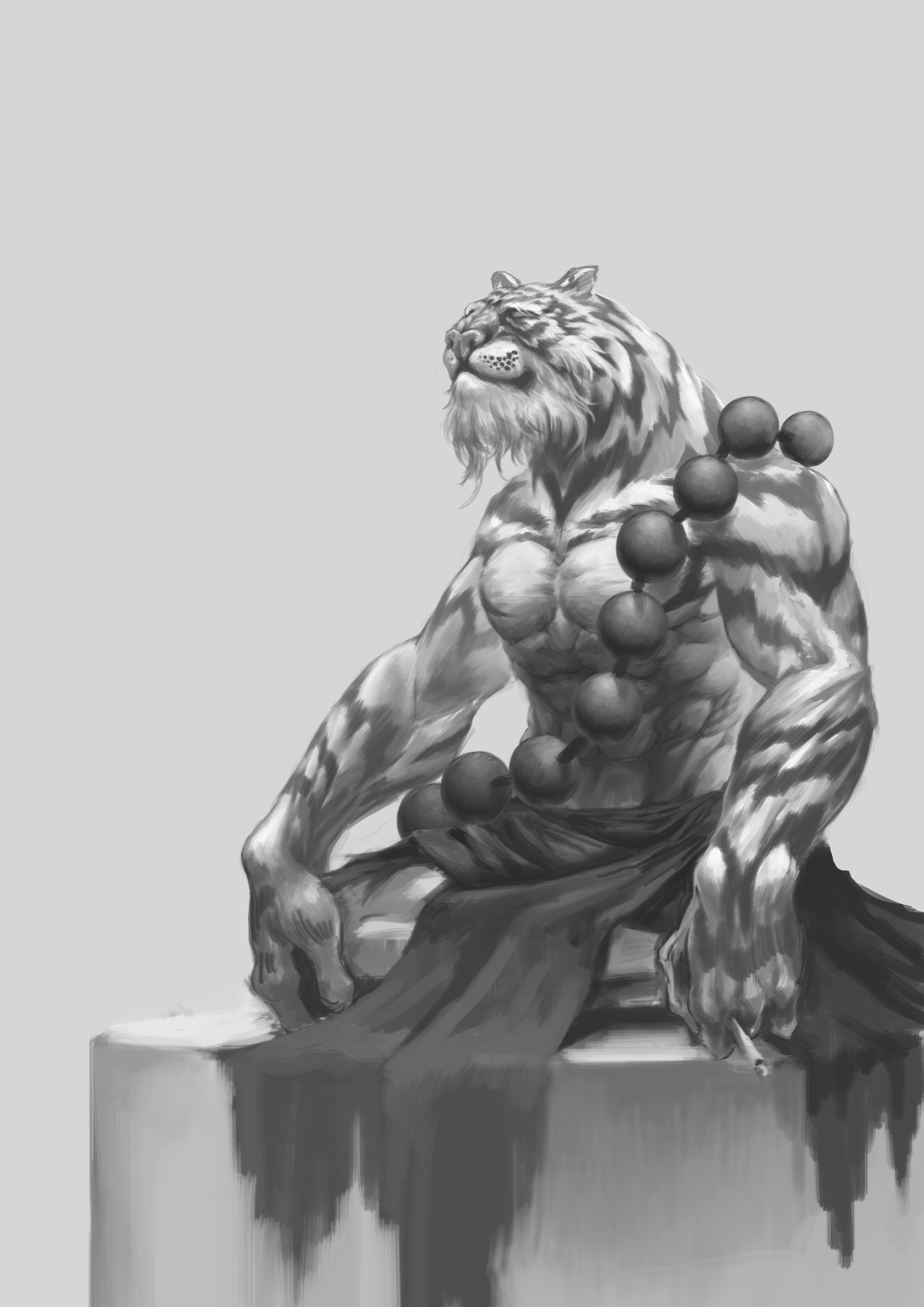
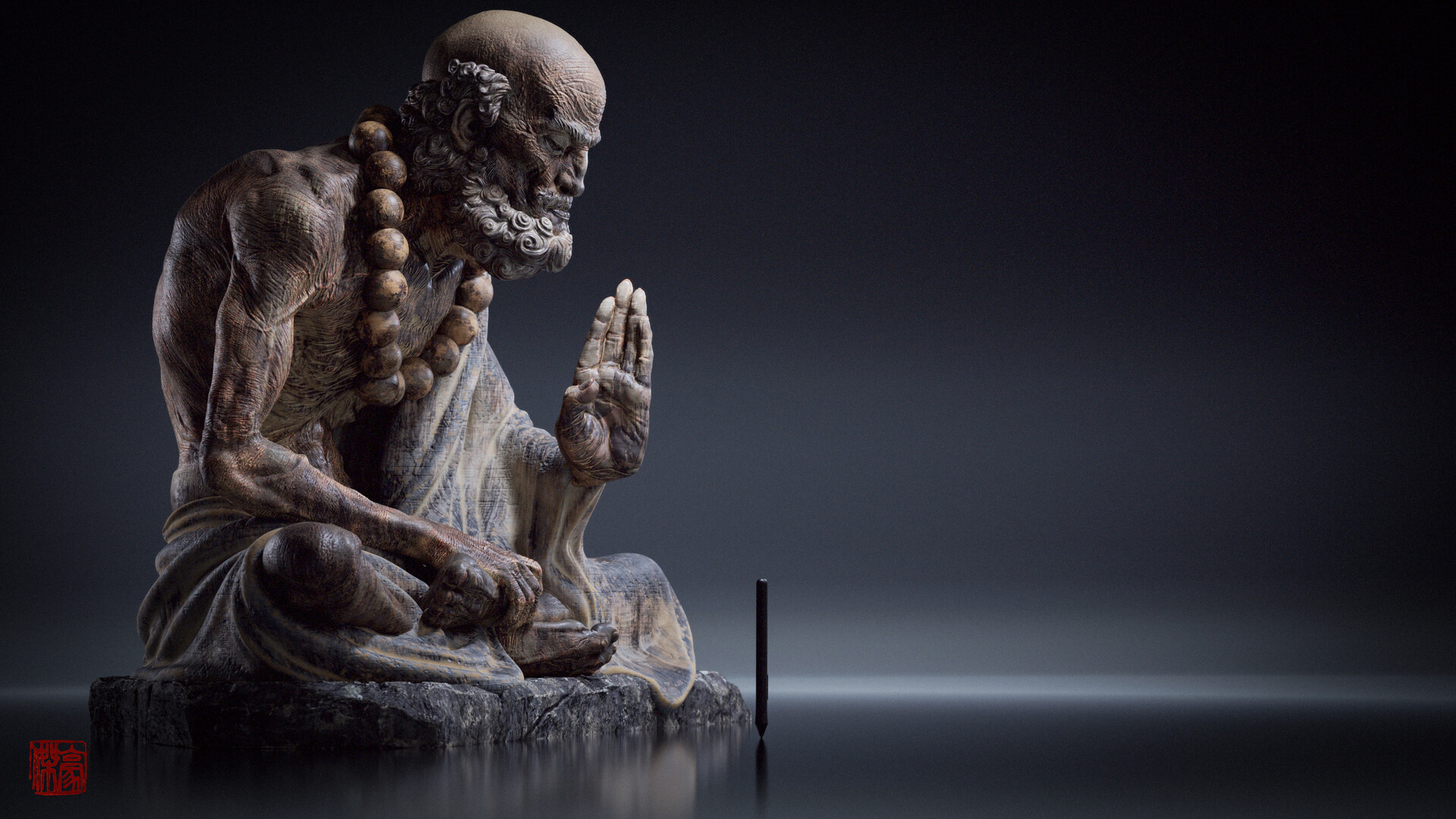
- The Followers of the Juan (also known as the Juanites or Liottans) are a race of humanoid xenos from the Liott system. They originally come from the planet Liott-3, called "Zoh" in the Juanite tongue. By the time they were first visited upon by the roots of the Mu, the Juanites had colonised the entirety of their solar system and were working on extrasolar FTL travel. Liott-3 is by itself a modestly wealthy capital planet with a small space port. However, the Liott system is rich in gas giants and rocky planets, which the Mu have taken to consuming. This has left a number of Juanite frontier worlds illegible for exploitation, as they cannot afford conflict with the Mu. They can live there in a tense co-existence and enjoy the fruits of the Mu, but the resources of these planets, and the other planets the Mu are in the process of reaching for, are no longer theirs. The Followers of the Juan are thus generally skeptical, if not outright hateful, towards the Mu and especially the Adepts who worship them.
Crucial to the nation of the Juanites is their religious scripture known as the Juan. The Juan is a relatively recent work by Grand Thinker Pos-Lahm, detailing central tenets for harmonious co-existence between the Liottans and the Mu. The Juan states that apocalypse at the hands of the ravenous Mu is inevitable in a thousand years, but that a garden must be tended so as to not consume itself. The learned masters of the Juan, so-called Thinkers, use the ivy of wildhearts to enter into the LC and negotiate with the spirits of Mu in the hopes that they will spare their settlements from inevitable destruction. Decades of this has made the Juanites quite adept at accessing the LC through the use of hallucinogens and technology, and they can bestow this gift onto other xenos.
Given this somewhat obstructive approach to co-existence, one would think that the Mu would do away with them as yet another vermin species. However, the Juanites have an ace up their sleeve which even the Mu cannot ignore: Out of all the xenos the Mu have encountered, only the Juanites have experimental FTL technology. If the Mu hope to one day plant their seeds across the galaxy, they must reluctantly accept the aid of the Juanites, at least for now. The Juanites are painfully aware of this and seek allies wherever they can.
Juanites resemble large, bulkier humans to such an extent that geneologists hypothesise that these, too, are leftovers from the same Yrranian super soldier projects that spawned the Simmies, but others theorise that prolonged exposure to the high gravity of Liott-3 expanded their bone and muscle structures to the point where they resemble ogres more than humans. Others still refuse the human link entirely and theorise that they are a separate species endemic to Liott-3, but the topic remains hotly debated.
The battleforces of Pandemarboraea consist of both units and derivative creatures of the Mu as well as auxiliary forces of alien mercenaries or conscripted xenos inhabitants who live around on the Treantity. The two arms of Pandemarboraean weaponry are chemical warfare and psychic terror: In the physical plane, projectile weaponry in the form of megatonne seed pod cannons and shiphull-melting resin artillery form the backbone of space and terrestrial combat. In the psychic plane, the weak-minded suffer gruesome visions and hauntings both when awake and asleep.
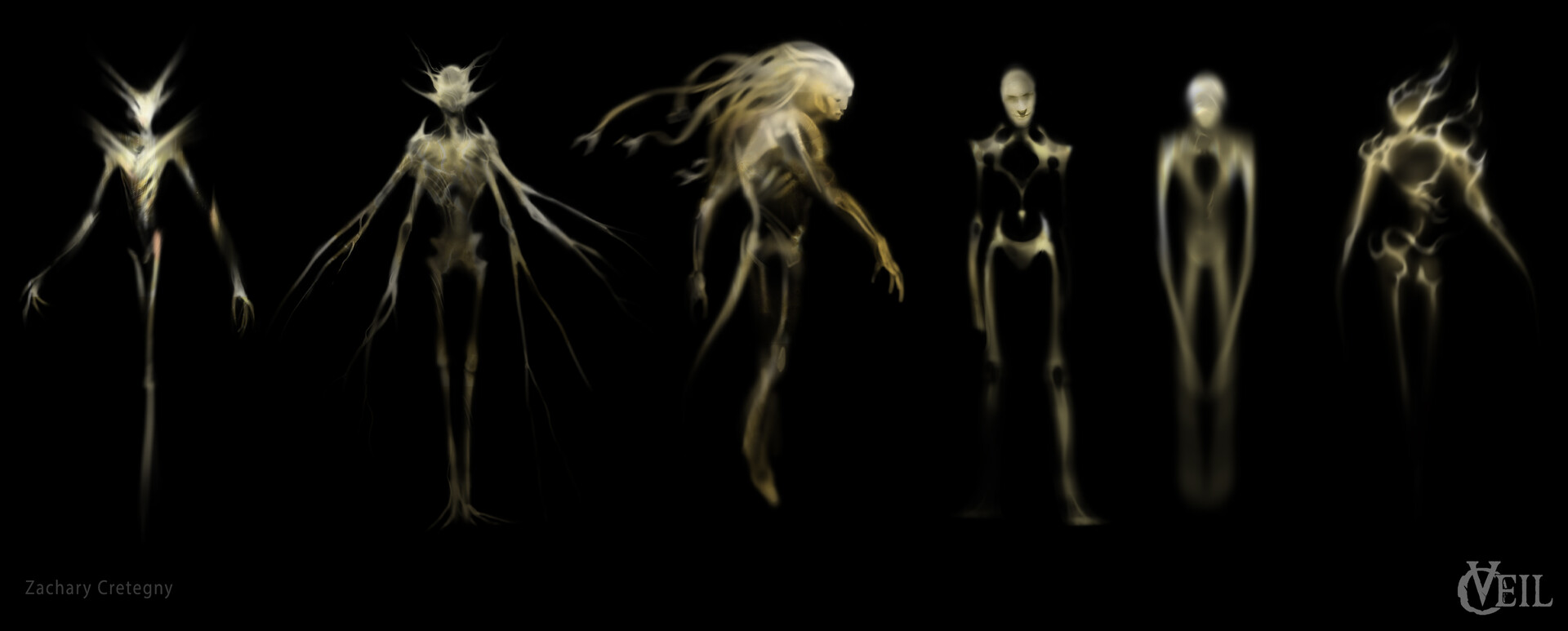
A Terror manifesting to terrorise a humanoid foe.
The Terrors of Lazarus are spirit warriors of the Mu, experts in transcending the barriers between the Lazarus Consciousness as other psionic planes. They specialise in terrorising enemy forces with nightmares and visions of horror until they eventually break their spirit. The most senior Terrors can make parts of their bodies transcend into the material plane and cause their victim actual physical pain, only further substantiating the haunting.

A rare manifestation of a humanoid Wicked Memory.
The Wicked Memories specialise in studying their opponent’s memories, whichever may be accessed through the psionic realm, and creating visions that twist reality around their victims. Maybe they start hearing the calls of their loved ones drawing them out of position, or maybe they imagine receiving intel that proves to be false based on memories of earlier war room meetings. For their skill in reading minds, the Wicked Memories are generally employed in espionage and counter-intelligence. Their weakness is that Wicked Memories leave behind trails in the minds of those they study – a small residue of the Lazarus Consciousness. Skilled psionetics experts can easily pick up on this trail and even use it as a gateway to the LC.
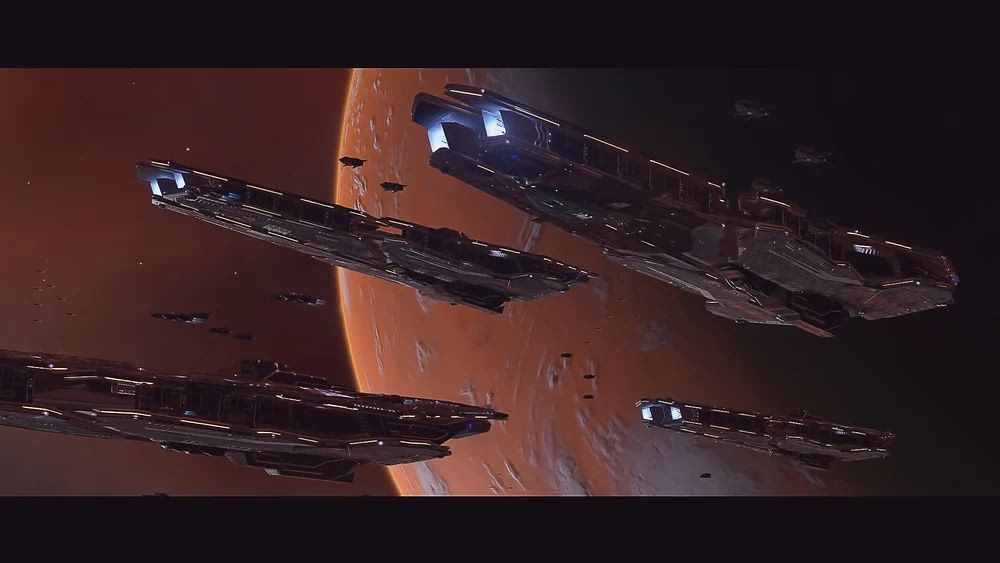
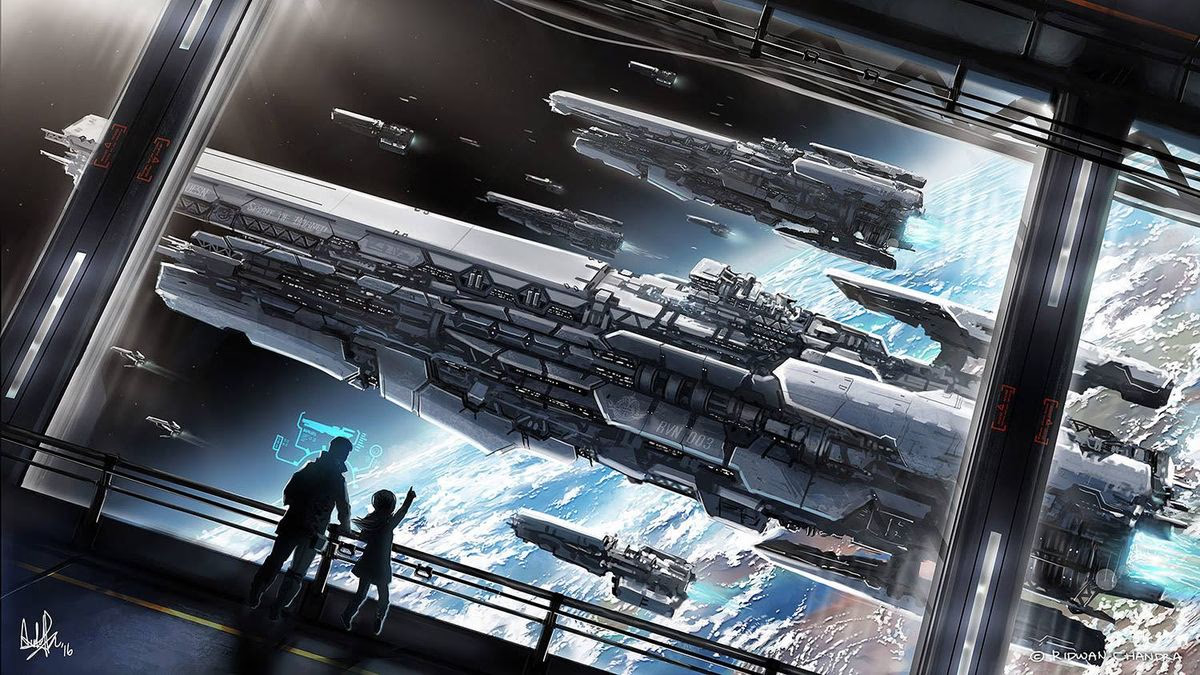
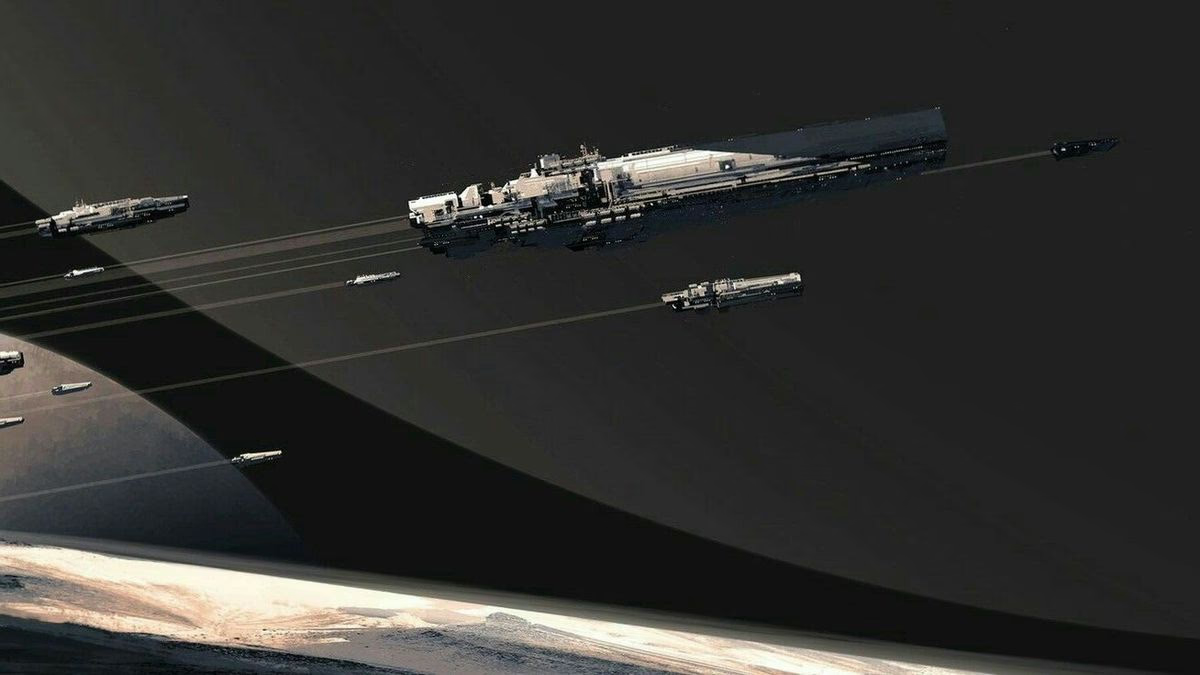
The Amber Armada is the main battlefleet of Pandemarboraea. It consists of five classes of warship:
All ships are also Mu, meaning they are living individuals. They can regenerate damage taken, but feel pain and need to feed on asteroids or receive nutrients from nearby dendrites with regular intervals. Unless they have xenos inhabitants who have reinforced them with shield generators or armour or both, they have no additional defenses beyond their enormously thick bark. Ships will often have been upgraded with thrusters or additional weapons to improve effectiveness in combat.

A Twig-class outfitted with large sap sacs
The Twig-class corvette is a light vessel meant for scouting, flanking and escorting larger vessels. It is a seed of a lesser Mu, an immature specimen. Like the Trunk-class, they may therefore be difficult to control, but for reasons related to childishness rather than trauma. With experience, however, Twig-class corvettes can prove to be valuable assets in a fight. Armed with smaller seed cannons and powered by strong thrusters, they excel in hit and run maneuvers and distacting smaller ships in the fleet. They have very little armour, however, and their light weight makes them useless for ramming.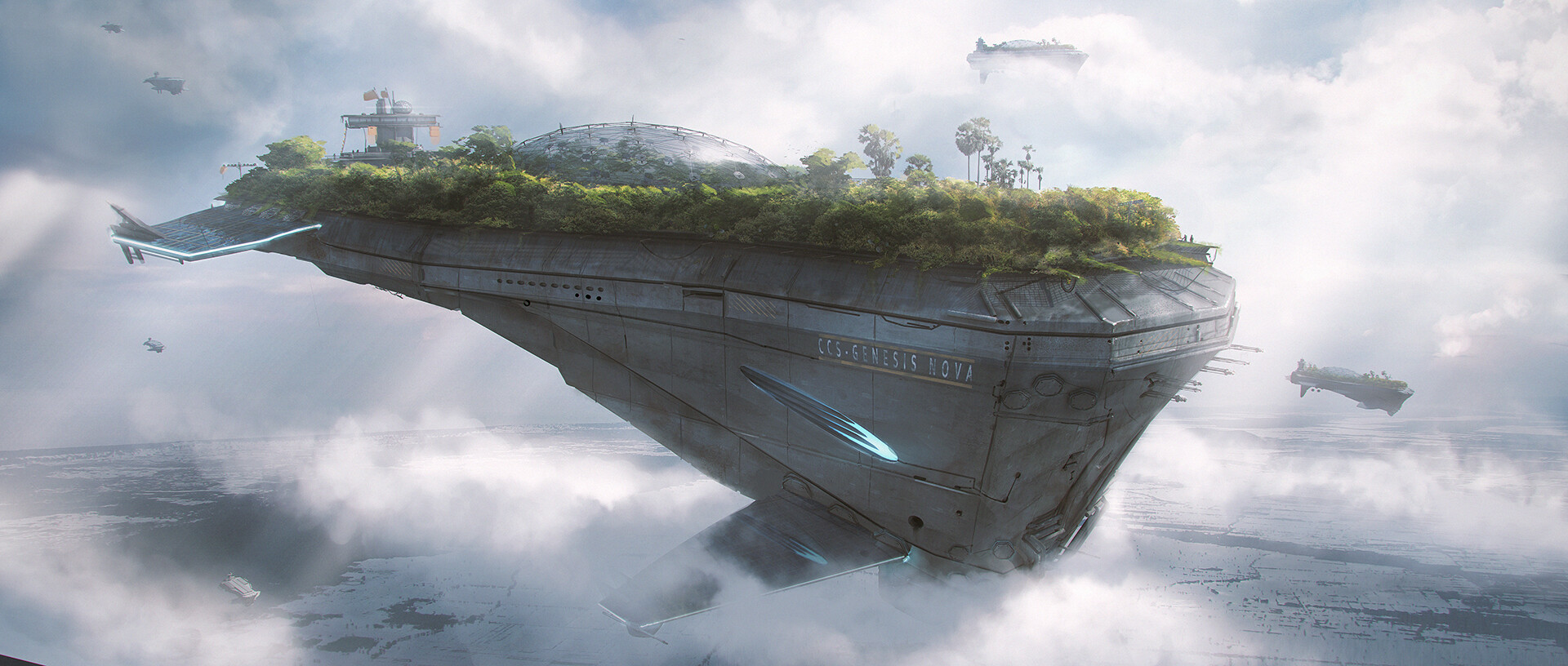
An extraordinarily heavily armoured individual, having had its entire bark hull reinforced with steel. Normally, the gray steel would give way to brown bark.
The Pollen-class destroyer specialises in protecting the squadron from torpedo attacks, ambushes and stealthed and cloaked foes. They will often scout ahead of the main group, backed up by corvettes, and use their psionic potential to probe for other living creatures across immediate space. Destroyers have a strong psionic presence for their size and a versatile arsenal suitable for most ranges, but pay for it by said arsenal being fairly weak in terms of impact. Their seed cannons fire small, quick seeds that can burst on the way to the target, ideal for catching or throwing off incoming missiles. Their missiles are small and nimble and good for targeting vulnerable parts of enemy ships. However, in terms of impact, they fail to carry the weight and the punch of larger ship classes. Their most powerful tool is the ability to plant mines on asteroids: They will plant seeds on small asteroids which, upon detecting nearby motion, will explode with a vent of gas, sending the asteroid in the direction of the motion. This only works with small asteroids.
A lone Trunk-class cruiser on patrol.
A seed of a young Mu which has been artificially empowered through pruning, growth manipulation and psionic power. It is typically around 75 metres long and half as wide at its widest. It takes only a few years longer than a destroyer to gestate due to the psionic intervention in its growth process. The Trunk-class ship is an unstable and dangerous entity, inhabited by a restless spirit due to its treatment during gestation. This makes them unpredictable in combat, so they are generally close-range, heavy-damage ships, kept far away from the rest of the squadron.
The Trunk-class specialises in ramming attacks and ambushes, able to reach great speeds and maneuver very well in spite of its size. It can spawn multiple dendrites in a flash and has a number of resin sacks at its front, meaning that any impact with another entity will explode into a flood of acid and stickiness. It is the only Mu ship with grown-in thrusters, an internal process of rotting and decay creating copious amounts of gas which it can use to build up speed and maneuver. This process will eventually break down the Mu from the inside, however, and Trunk-class ships therefore lose effectiveness over time until their tortured souls eventually succumb to the sweet release of death. They have no psionic power of their own, and are therefore very vulnerable to attack as soon as they leave the shields of their peers. Whatever ranged attacks it has have very short range, but can be released at a blink’s notice for deadly broadsides and head-on barrages.
Heavily retrofitted specimen, reinforced with armour and shields
A seed of a large Mu, a product of at least a few decades of gestation. The escort ship measures nearly 200 metres in length and nearly half of that in width. The escort ship is a fairly versatile Mu: with satisfactory psionic potential, it can offer support with telekinetic shields while providing both mid-range and long-distance support fire with seed artillery. Its seeds are large – not nearly as large as those of the Seed-class, but they are given space in their sacs to germinate. During germination, they can take a number of different shapes:- Artillery: Requires the least amount of germination time as the seed can be blasted out of its sac as soon as it has taken its shape. Short-to-middle range artillery.
- Torpedo: Requires fairly long gestation time. The artillery seed is remoulded to include pressurised gas sacs in one end, which can be burst to change the trajectory of the projectile. Effective at most ranges.
- Fighter: Requires a long gestation time. The whole seed is lengthened and itself turned into a seed carrier. It is also modified with gas sacs to maneuver in space. After this seed is released, the escort ship Mu can use psionic power to control a small squadron of these fighters at the cost of power to shields and communications. While it only has a handful of seeds and these seeds are very small, a well-timed blitz with a squadron of fighters can turn the tide of battle.
Escort ships can also be retrofitted or upgraded with additional equipment from xenos races, and are more frequently so than battleships, as the Mu of battleships, being of “royal blood” will often not let xenos races even touch them. Therefore Leaf-class ships are an invaluable part of any Pandemarboraean squadron.
Seed-class battlecruiser escorted by two Pollen-class destroyers.
A complete seed of one of the Elder Trees, a product of decades if not centuries of germination. The Seed-class battlecruiser is a truly massive Mu, almost a kilometre long and a third of that in width at the widest. All along its surface are small openings for seed-based artillery, maintaining multi-tonne seeds under massive pressure which can be released to shoot forth a relatively slow, but devastating artillery seed. Seeds that impact other ships will crack open, releasing steel- and flesh-melting resins. These seeds will also sprout dendrites which will seek to devour the ship and sprout a tree.
Short-distance weaponry include long, nimble dendrites which can shred ships with tentacular fury, as well as direct sprays with acidic resin. Physical contact with dendrites from a Seed-class also exposure to fungal diseases for bionic crew. At extremely close range, the battleship’s ramming attacks can destroy ships in a manner of hours as direct contact with the Mu itself will cause roots to sprout forth and devour the hull of its enemy as though it was an asteroid ready to be swallowed for its nutrients.
The spirit within it is a descendant of one of the Elder Trees that form the Roots of Mu society; with this genetic inheritance comes a truly unfathomable psionic potential. This psionic power is mainly used to cover the ship itself and sometimes the whole squadron in a telekinetic barrier which can withstand heavy battery assaults if only covering the battleship itself, but weakens the more ships it covers. This psionic power can also be used to establish local network nodes for the LC, permitting communication with Mu homeworlds even across vast distances of space. This local node may also support other psionic forces. Any application of psionic powers for other purposes than shields will weaken the shields.
While the Seed-class is a juggernaut in the mid-to-short range, it is easily outclassed over longer distances, as its seed artillery is much too slow to reliably hit other ships at long range. Furthermore, as the whole ship is one individual, it may be more vulnerable to confusion, ambushes or other demoralising attacks. It can also be increasingly vulnerable depending on the size of the squadron around it, as more of its spirit’s concentration has to go to protecting its comrades. Many Seed-class ships therefore reluctantly rely on xenos passengers on their surface or within the many hollow spaces in their bark to monitor the space around them, reinforce them with armour or additional weapons.
All ships are also Mu, meaning they are living individuals. They can regenerate damage taken, but feel pain and need to feed on asteroids or receive nutrients from nearby dendrites with regular intervals. Unless they have xenos inhabitants who have reinforced them with shield generators or armour or both, they have no additional defenses beyond their enormously thick bark. Ships will often have been upgraded with thrusters or additional weapons to improve effectiveness in combat.
A Terror manifesting to terrorise a humanoid foe.
The Terrors of Lazarus are spirit warriors of the Mu, experts in transcending the barriers between the Lazarus Consciousness as other psionic planes. They specialise in terrorising enemy forces with nightmares and visions of horror until they eventually break their spirit. The most senior Terrors can make parts of their bodies transcend into the material plane and cause their victim actual physical pain, only further substantiating the haunting.
A rare manifestation of a humanoid Wicked Memory.
The Wicked Memories specialise in studying their opponent’s memories, whichever may be accessed through the psionic realm, and creating visions that twist reality around their victims. Maybe they start hearing the calls of their loved ones drawing them out of position, or maybe they imagine receiving intel that proves to be false based on memories of earlier war room meetings. For their skill in reading minds, the Wicked Memories are generally employed in espionage and counter-intelligence. Their weakness is that Wicked Memories leave behind trails in the minds of those they study – a small residue of the Lazarus Consciousness. Skilled psionetics experts can easily pick up on this trail and even use it as a gateway to the LC.
- Simmie combat engineers feature heavily as support units on both the ground and in space. They are specialists in upgrading and retrofitting Mu ships and also act as quartermasters and ambassadors between Mu and other xenos in the field. They also operate shield generators which defend against energy weapons.

- A simmie war squad functions as
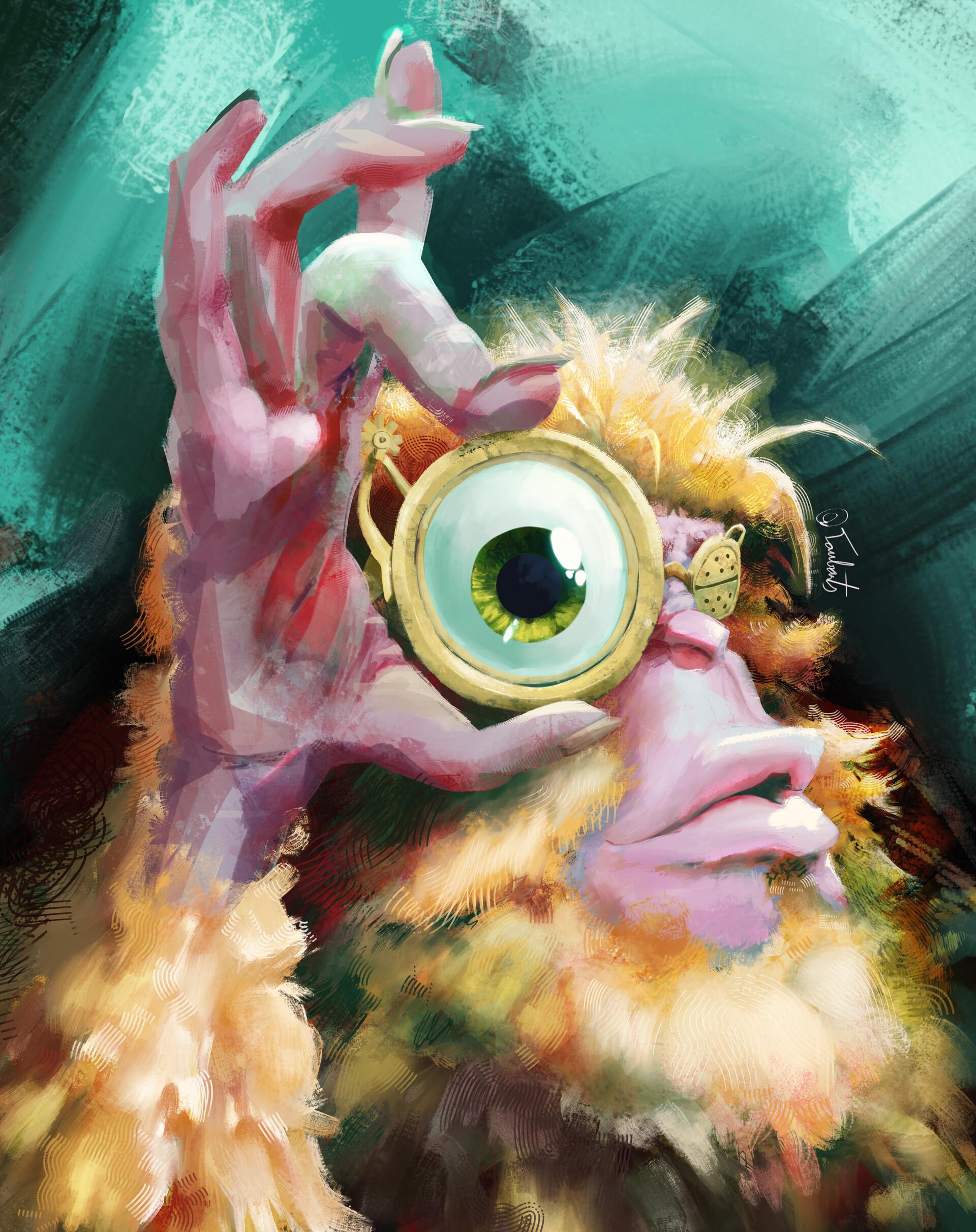
- The most basic infantry unit fielded by the Mu. The Singers are essentially conscripts recruited from the vast millions that make up the Adepts. They arm themselves with whatever they have and fight skirmishes which the Mu for some reason choose not to do themselves. Depending on the technological prowess of the world from which the Singers came from, they may either arm themselves with rocks and stones or advanced guns and artillery. They generally lack discipline beyond that instilled by the few officers who take command, and hardly ever manage to fight as a large, unified force.

- Grove Guardians are elite warriors of the Adepts, selected from Singers who show particular combat prowess. These warriors don a sacred cloak made of the white bark of dead starvines and rush into battle with fanatical fervor. They arm themselves with poisonous weapons fashioned from toxic plants from Grra, and their cloaks are filled with pods of noxious fumes and acidic sap which they use to attack groups of enemies, or to take the martyr's way out if they get surrounded.

- The Juanites adopt a more standard style of combat equipment. Drawing on reverse-engineered combat equipment excavated from Yrrani ruins, Juanite skirmishers armour themselves in exoskeleton gear which compared to more central regions may seem very unsophisticated. They rely on simmie support in order to not be shredded apart by energy weaponry. Weapons-wise, Juanites choose ballistic weapons on account of their lack of access to good-quality battery packs.

Pandemarboraea began with a now ancient scientific mission to the planet that would later come to be known as Grra. Who had commissioned the ship, crew and assignment has been lost to time, but there is no doubt that the vessel and its passengers had been Yrrani. What is clear, however, is what they had been looking for. Contemporary yrranologists who have visited the ruins of the research colony have been able to decipher a small selection of datalogs and physical notes that have survived the harsh environment on Grra. The mission, dubbed ‘the Lazarus Project’, sought to study and experiment on a mythical substance said to grow within the hearts of the most ancient trees on the paradise world. As the research hypothesised, the incredible longevity of these trees, some being millions of years old, could only result from a miracle of evolution – a superior genome which could counter any and all diseases, fungi and threats to the organism. The Lazarus Project sought to catalogue and copy this genome in the hopes of uncovering the secrets of immortality.
In the end, however, the mission proved unsuccessful in producing any such results. Notes from the researchers paint a grim picture of the deterioration of the state of the mission, spurred by irregular supply runs, periods of rationing, poor management, power outages and, eventually, disease and cannibalism. The remains of the researchers were never found again, but the technology which they had brought with them – some of the finest in the empire thanks to their gracious sponsor – remained there, gradually being absorbed into the undergrowth.
Centuries passed. Far beyond the atmosphere of Grra, the empire which had disturbed the forests’ peace continued to reign undisturbed, then gradually began to buckle until it finally collapsed into the civil war known today as the Great Fall. On a forgotten date, a great battleship of the Yrrani Empire was caught out of position while passing by Grra. The ship’s gravity drives were damaged and sent the ship crashing down to the planet below. At this point in the war, the Imperial treasury had been scraped bare, so a salvage mission was dispatched to Grra to scavenge what they could. What data had at that point been gathered on the planet described it as rich in resources, but otherwise unremarkable. ‘The Lazarus Project’ had long since been forgotten by the Imperial Archives.
Neither the crew of the battleship nor the salvaging mission were ever heard from again.
It would only be a few decades before the Armistice of Jarila that Grra would once again catch extraterrestrial attention. A distress signal was received by a small constabulary on the asteroid Enki, a small municipal entity of a small interplanetary satellite settlement known as the Commune of Cylon-5. Recovered files from the event read that the distress signal had been sent by a roving tribe of water farmers who claimed that they had observed a planet sprouting roots to other planets in its system. At first, this distress signal had been dismissed as something of a superstition or a metaphor of sorts. Whichever it was, records show that the Enki Constabulary had chosen not to investigate. Records from a few years later show, however, that the number of distress signals accumulated over time would eventually bring the constabulary to send a patrol to investigate. Police reports would later confirm the observations of the water farmers and many others: the planet Grra had indeed sprouted roots, and dendrites thick as moons stretched for millions of kilometres, growing by thousands of kilometres every day. Wherever the roots struck solids, they would begin to dig and plant themselves into the crust, turning barren worlds into forest worlds through the sharing of water and nutrients through the dendrites. The fast-growing network of roots, fungi and gases from local atmospheres forming around the connections between the celestial bodies would come to be known as the Treantity, and is today home to a number of communities of animals, xenos, bacteria and weather patterns.
In the end, however, the mission proved unsuccessful in producing any such results. Notes from the researchers paint a grim picture of the deterioration of the state of the mission, spurred by irregular supply runs, periods of rationing, poor management, power outages and, eventually, disease and cannibalism. The remains of the researchers were never found again, but the technology which they had brought with them – some of the finest in the empire thanks to their gracious sponsor – remained there, gradually being absorbed into the undergrowth.
Centuries passed. Far beyond the atmosphere of Grra, the empire which had disturbed the forests’ peace continued to reign undisturbed, then gradually began to buckle until it finally collapsed into the civil war known today as the Great Fall. On a forgotten date, a great battleship of the Yrrani Empire was caught out of position while passing by Grra. The ship’s gravity drives were damaged and sent the ship crashing down to the planet below. At this point in the war, the Imperial treasury had been scraped bare, so a salvage mission was dispatched to Grra to scavenge what they could. What data had at that point been gathered on the planet described it as rich in resources, but otherwise unremarkable. ‘The Lazarus Project’ had long since been forgotten by the Imperial Archives.
Neither the crew of the battleship nor the salvaging mission were ever heard from again.
It would only be a few decades before the Armistice of Jarila that Grra would once again catch extraterrestrial attention. A distress signal was received by a small constabulary on the asteroid Enki, a small municipal entity of a small interplanetary satellite settlement known as the Commune of Cylon-5. Recovered files from the event read that the distress signal had been sent by a roving tribe of water farmers who claimed that they had observed a planet sprouting roots to other planets in its system. At first, this distress signal had been dismissed as something of a superstition or a metaphor of sorts. Whichever it was, records show that the Enki Constabulary had chosen not to investigate. Records from a few years later show, however, that the number of distress signals accumulated over time would eventually bring the constabulary to send a patrol to investigate. Police reports would later confirm the observations of the water farmers and many others: the planet Grra had indeed sprouted roots, and dendrites thick as moons stretched for millions of kilometres, growing by thousands of kilometres every day. Wherever the roots struck solids, they would begin to dig and plant themselves into the crust, turning barren worlds into forest worlds through the sharing of water and nutrients through the dendrites. The fast-growing network of roots, fungi and gases from local atmospheres forming around the connections between the celestial bodies would come to be known as the Treantity, and is today home to a number of communities of animals, xenos, bacteria and weather patterns.

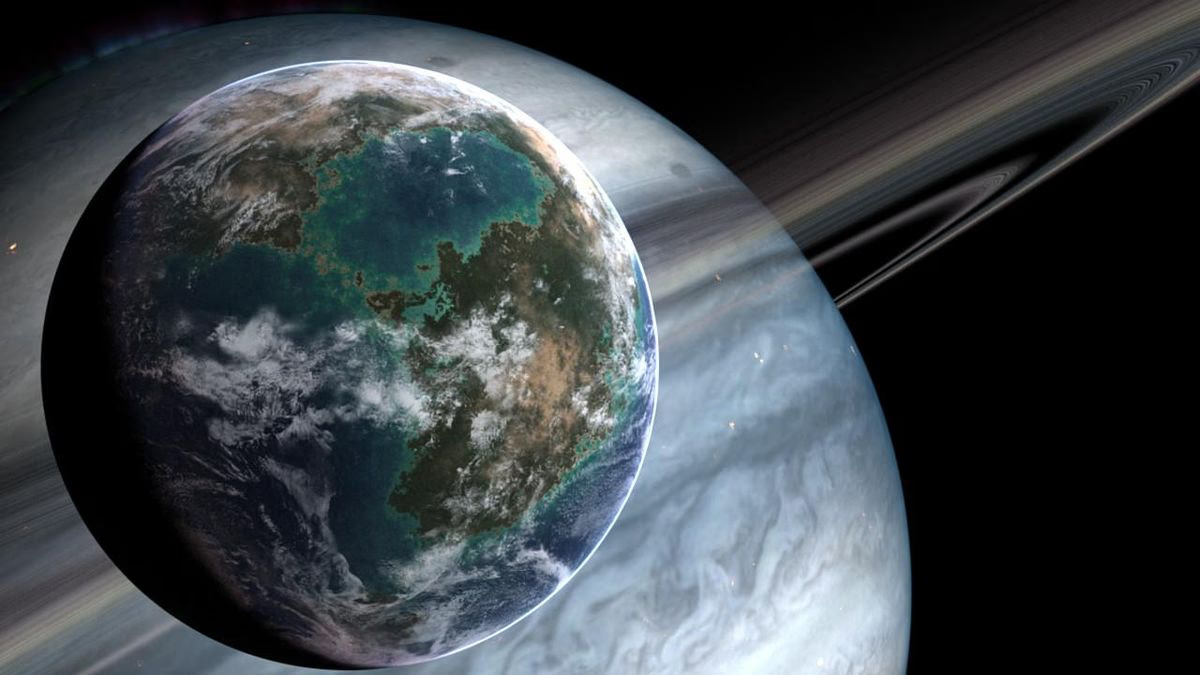
The capital planet Grra is a massive paradise world, incredibly rich in minerals and carbon-based resources. The atmosphere is extremely dense with moisture and methane, making the temperature in the overgrown well over 30 degrees Celcius in the coldest winters. Yet in the darkest shades that form underneath the canopy where sunlight hasn’t touched for millennia, temperatures are nearly cavelike, balancing around 16 degrees Celcius. The planet’s eliptical orbit and short days work together to spread out the temperatures across the surface and create seasons. Being a mainly terrestrial planet, the majority of water is stored in the unfathomable amounts of biomass that are the trees. Billions of years of life and death have formed thick layers of top soil and extensive underground networks of roots, fungi and algae. Summers can get extremely hot, so much of the life that lives on the surface will either migrate down into the undergrowth or up into the outer atmosphere along one of the great dendrites growing into the aether.



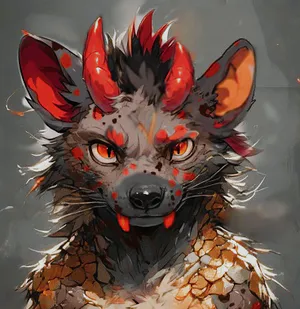












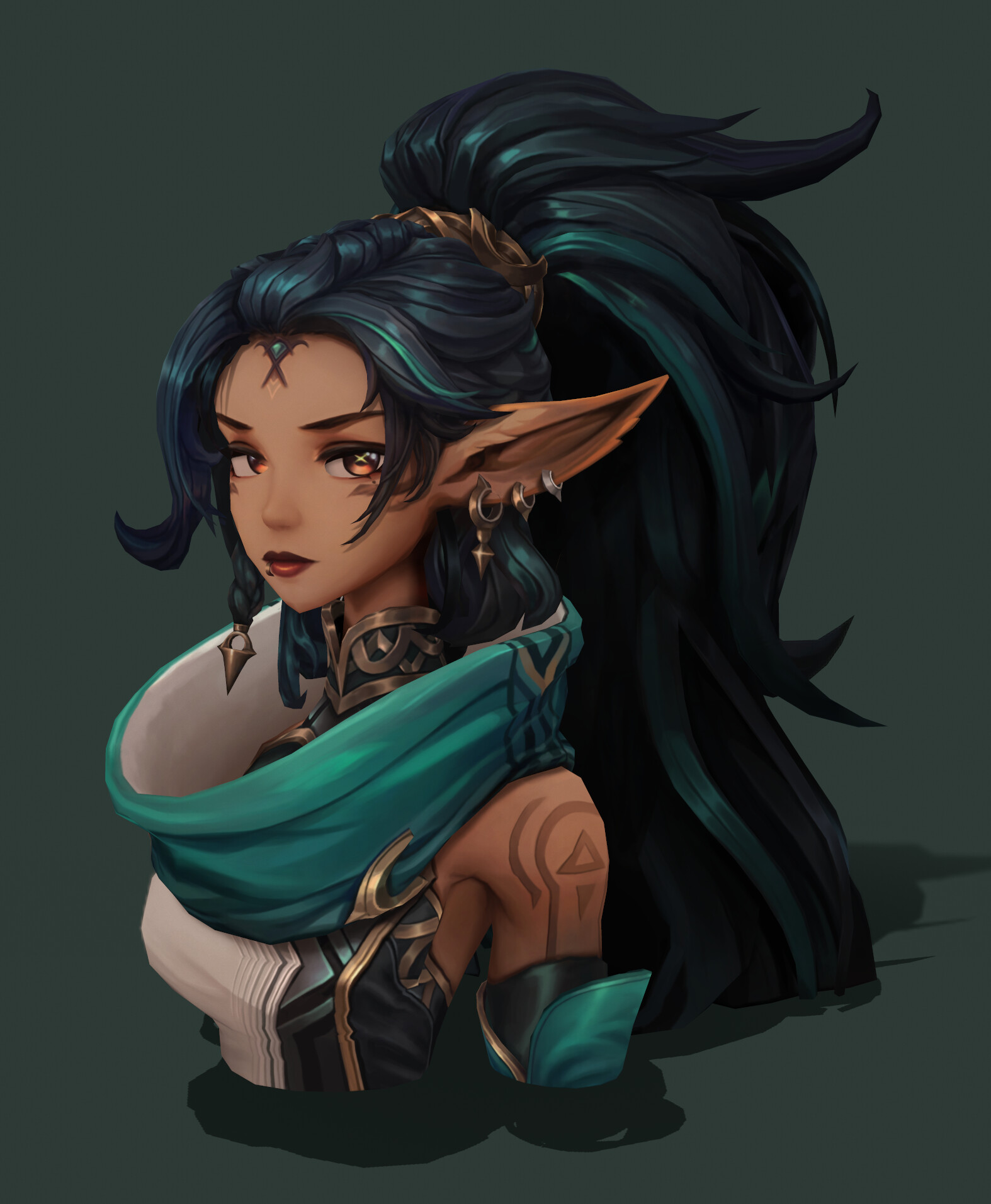 An offshoot of the Yrrani, the Twei are an ethnic minority that are most easily distinguished by the fact that they have longer ears. They are usually fair skinned, pale even, but can be darker skinned. Much like their cousins, the Twei are blessed with longevity, general physiological resilience, unnatural beauty as well as graceful aging, and generally keen minds. They are also noted as possessing great spacial awareness and reflexes, both of which are often further enhanced by cybernetics.