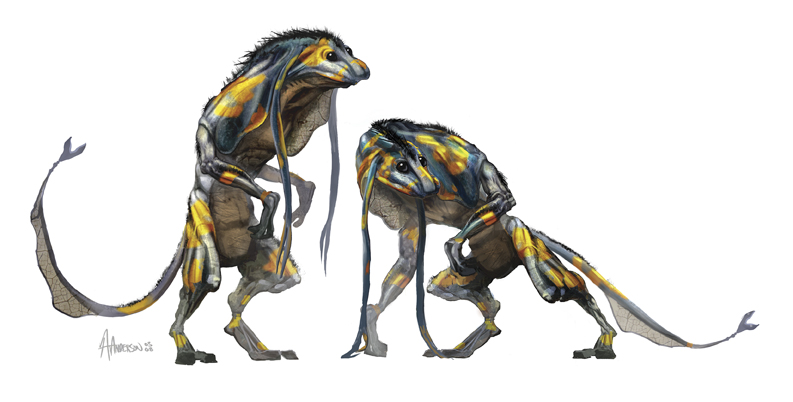
LifeformName: Desert Ghost
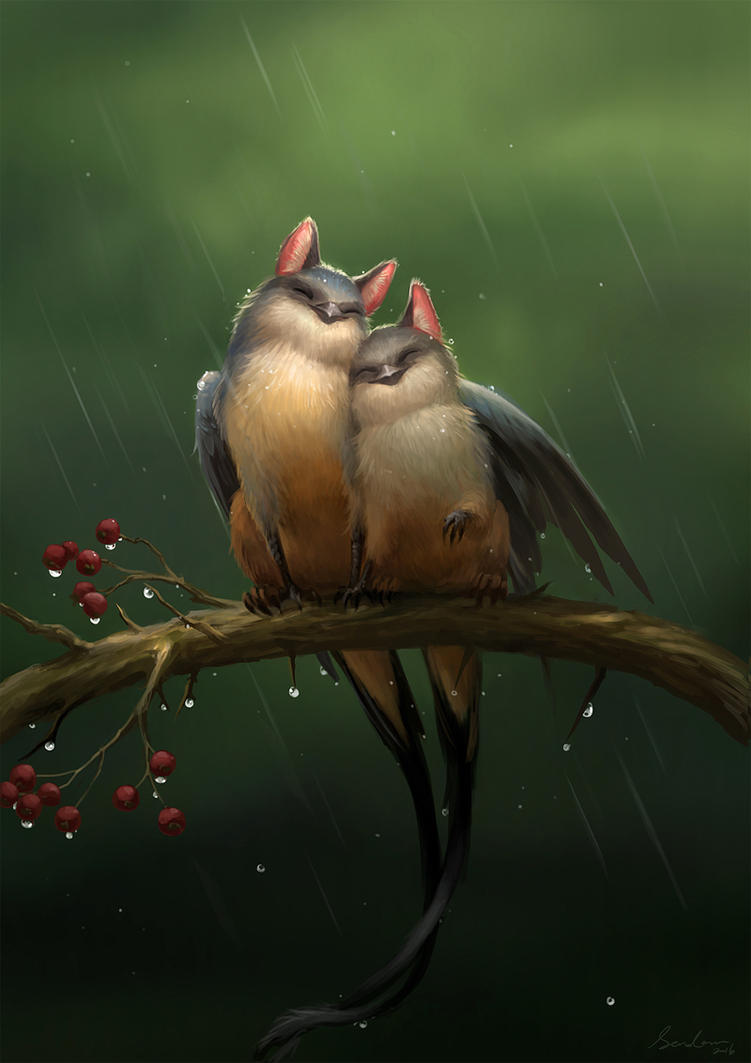
Life Cycle: As birds, the ghosts hatch from eggs. The eggs are buried beneath the sand, preferably under the shelter of a bush, where they become hard. They soften if exposed to light. Parents must locate the eggs of their offspring and dig them up so that the chicks can break free. Ghost chicks are incapable of flight for the first year of their life, instead becoming fast runners across the sand. After they gain their wings, they continue to mature for a half-year before they can reproduce. Desert Ghosts live for 4 years in all.
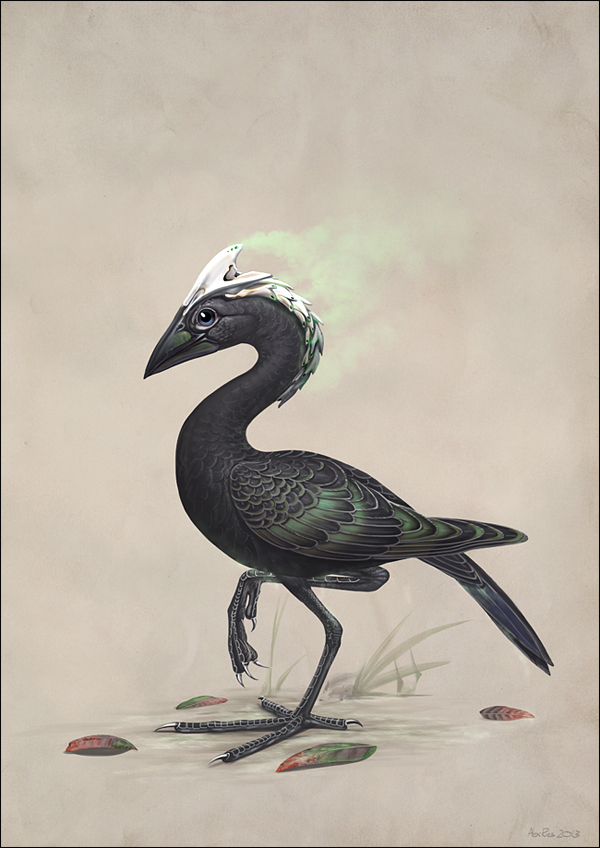
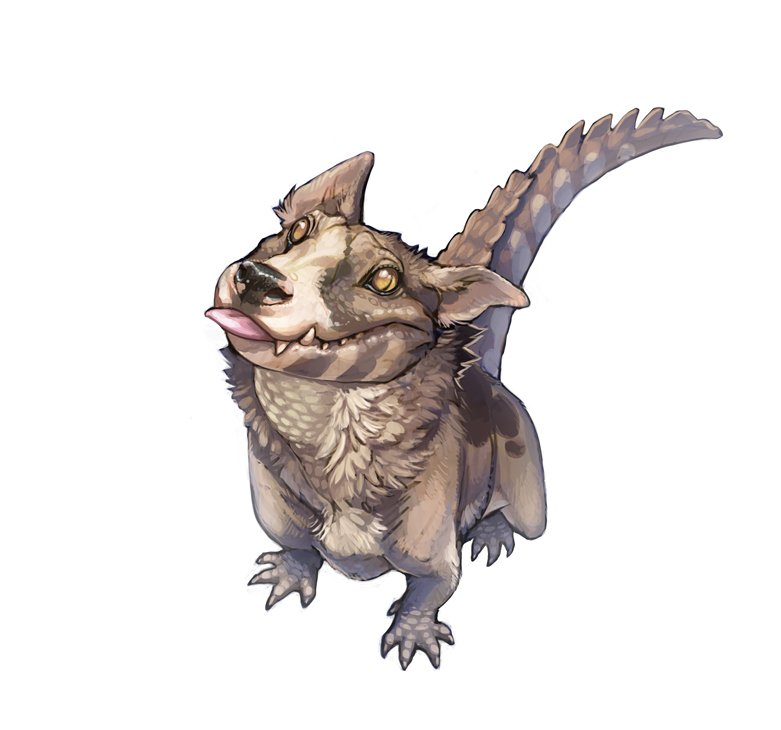
Description: Small, finchlike birds with black feathers. Unremarkable in appearance and behavior, they nevertheless feature a special trait from which the name of the species is derived. Their bodies constantly produce an oil substance, which acts as a temperature regulator and anti-irritant, from their skin that quickly evaporates into powder when exposed to dry air and sun. This powder is crystalline and transparent, distorting light like thousands of tiny prisms, and from a distance farther than a few feet the ghost appears totally invisible to the naked eye. Ghosts employ this powder to escape from predators and camouflage themselves when hunting prey, primarily desert insects.
Appearance: Desert GhostLifeformName: Parasitic Buzzard
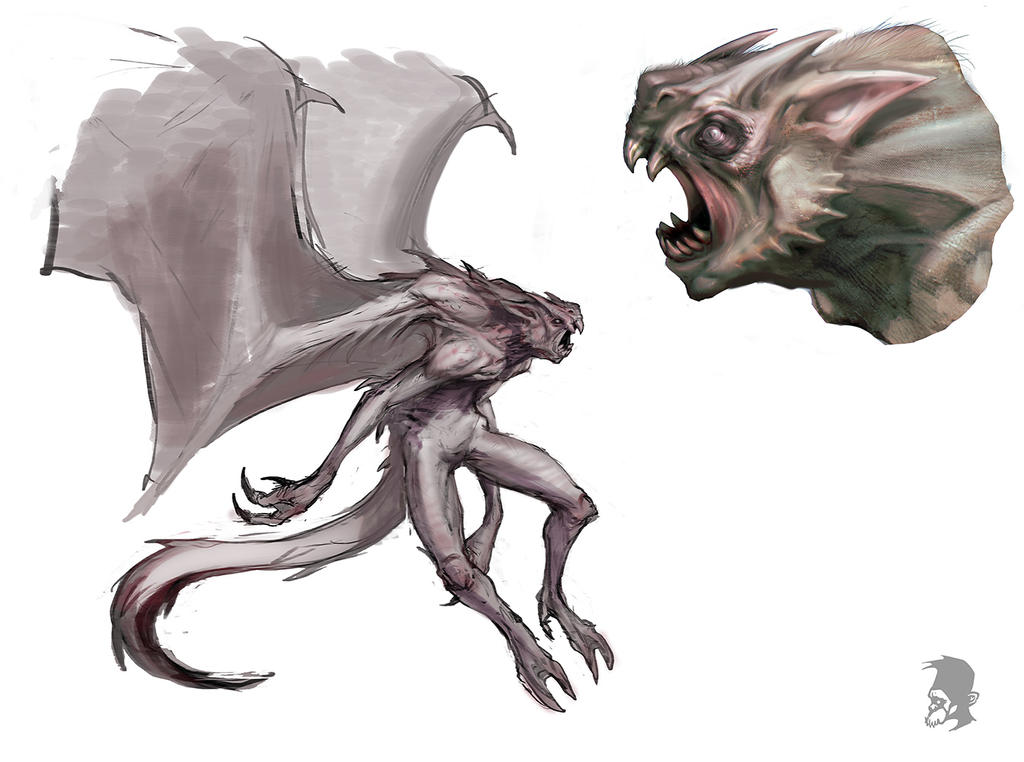
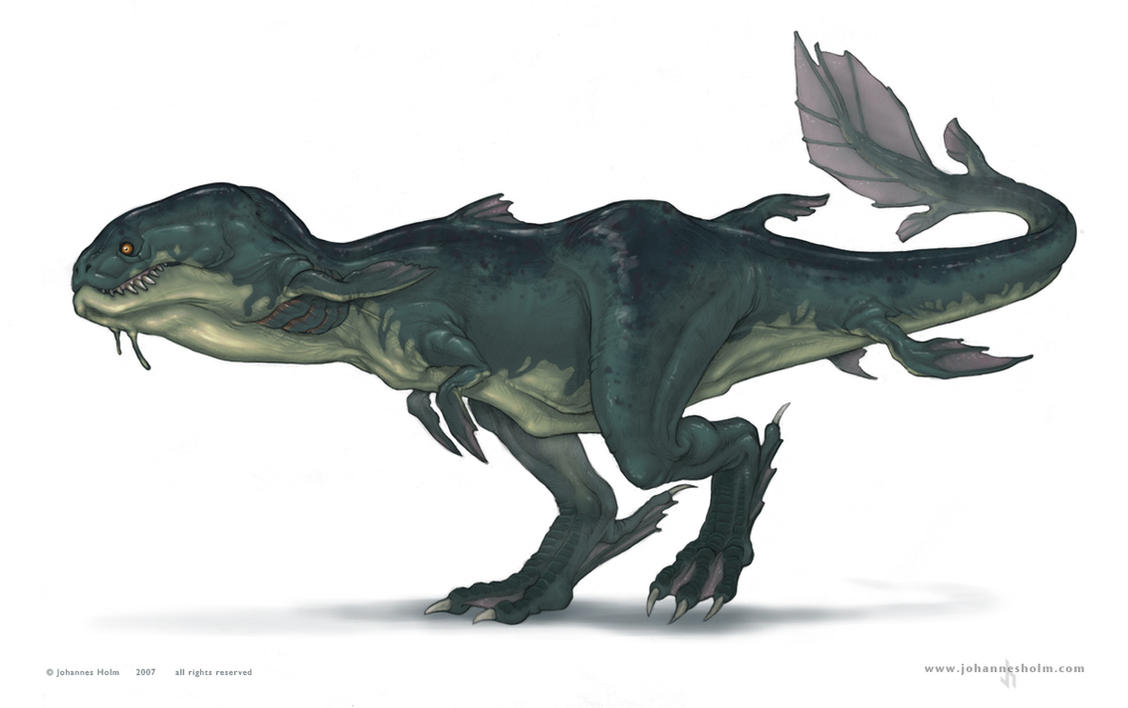
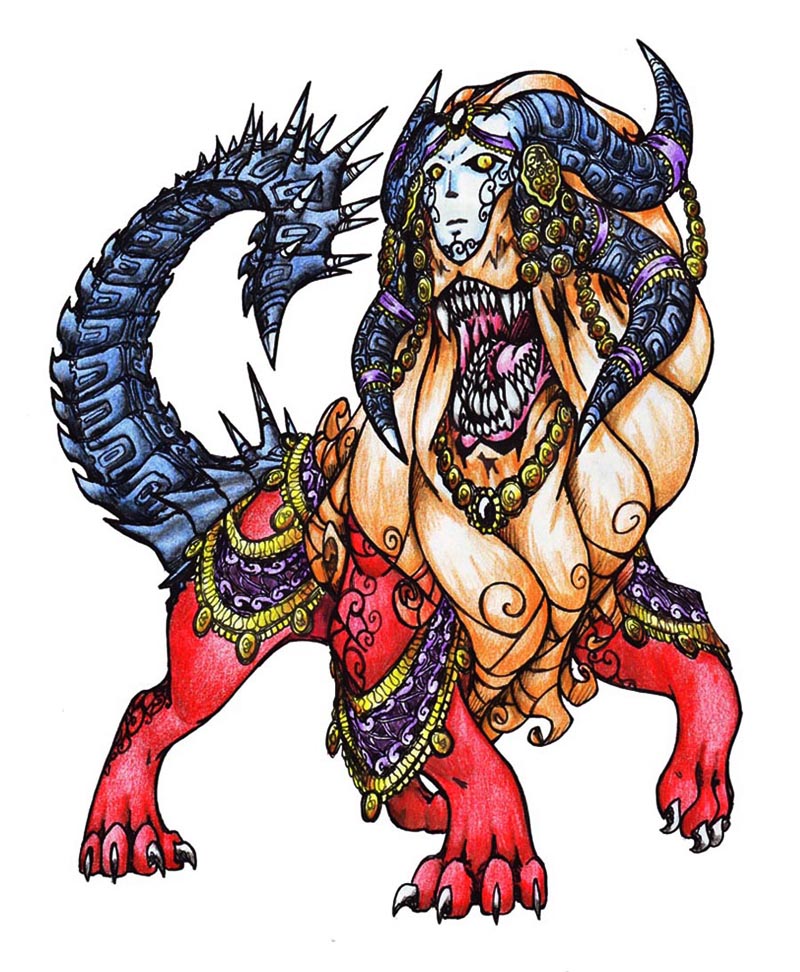
Life Cycle: Though they range throughout the entire desert and sometimes beyond, buzzards reproduce exclusively at the Resort. They build nests in the tallest trees, for which there is often competition. Before laying eggs, they seek out or make a prey animal’s corpse and carry it to the nest. There, they ‘inject’ their eggs into the body through their mouths, where the embryo gestates and grows, using the body for a food source. After a period of two weeks, the chick breaks free of the corpse, and quickly consumes it. Buzzards are capable of reproducing as a defensive mechanism, and will attempt to implant their eggs into a living predator if threatened. Chicks take several years to mature, at which point they can reproduce immediately. They live between 6 and 7 years total.
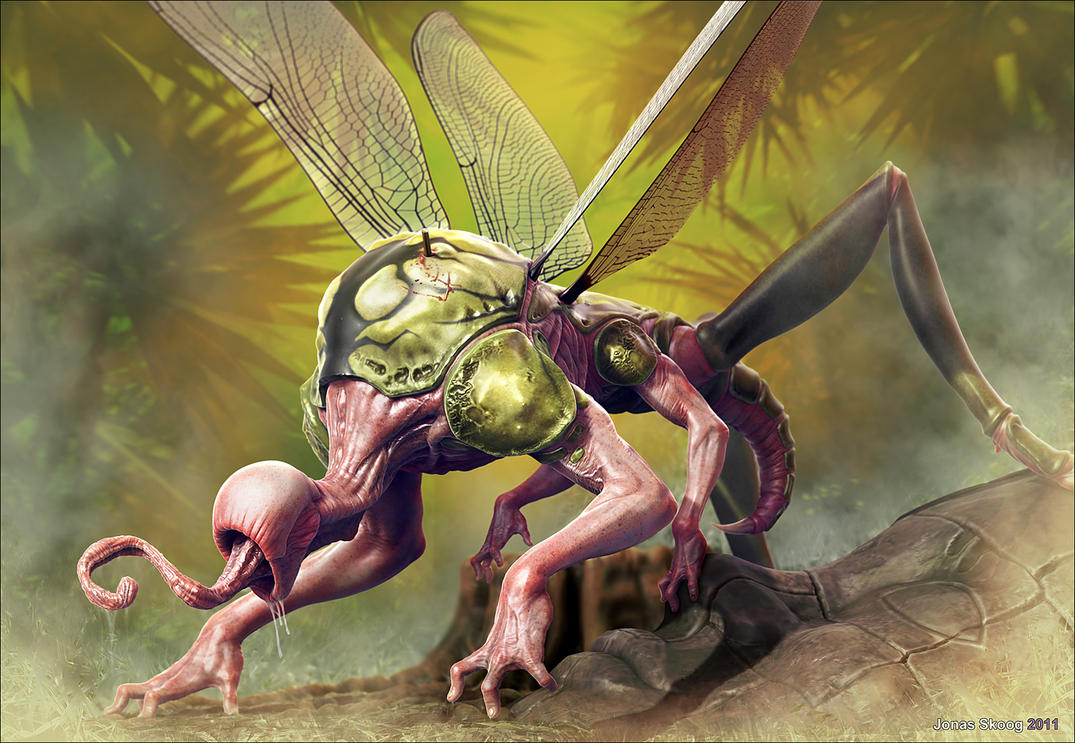
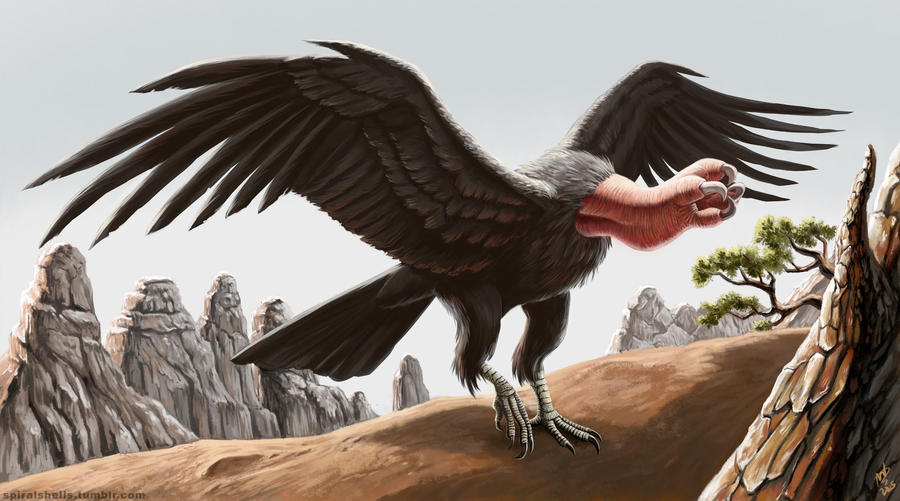
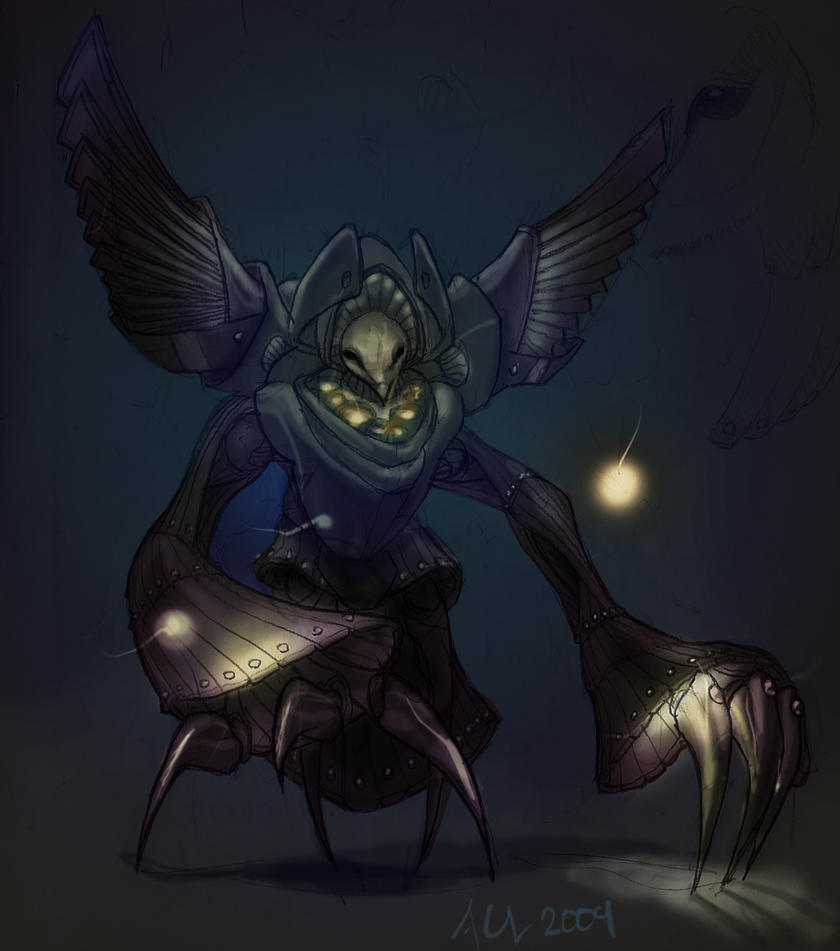
Description: Few creatures, Firewind or not, and more infamous than the Parasitic Buzzard. With adults stretching several meters from wingtip to wingtip, armed with claws capable of slicing through flesh, and an extendable and flexible wormlike head, they are omens of death and decay. They are solitary and asexual carnivores that prefer to scavenge for corpses but are entirely capable of creating new ones when hungry. Buzzards are rather intelligent creatures, and despite being blind due to a lack of eyes are very perceptive when it comes to listening and smelling. Capable of carrying smaller, dexterous creatures on their backs or in their claws, buzzards serve as excellent methods of transport and self-defense to humanoids, provided a would-be tamer can avoid becoming a living host to an infant buzzard itself. Buzzard saliva is extremely sticky.
Appearance: Parasitic BuzzardLifeformName: Dirigible Cloudwhale
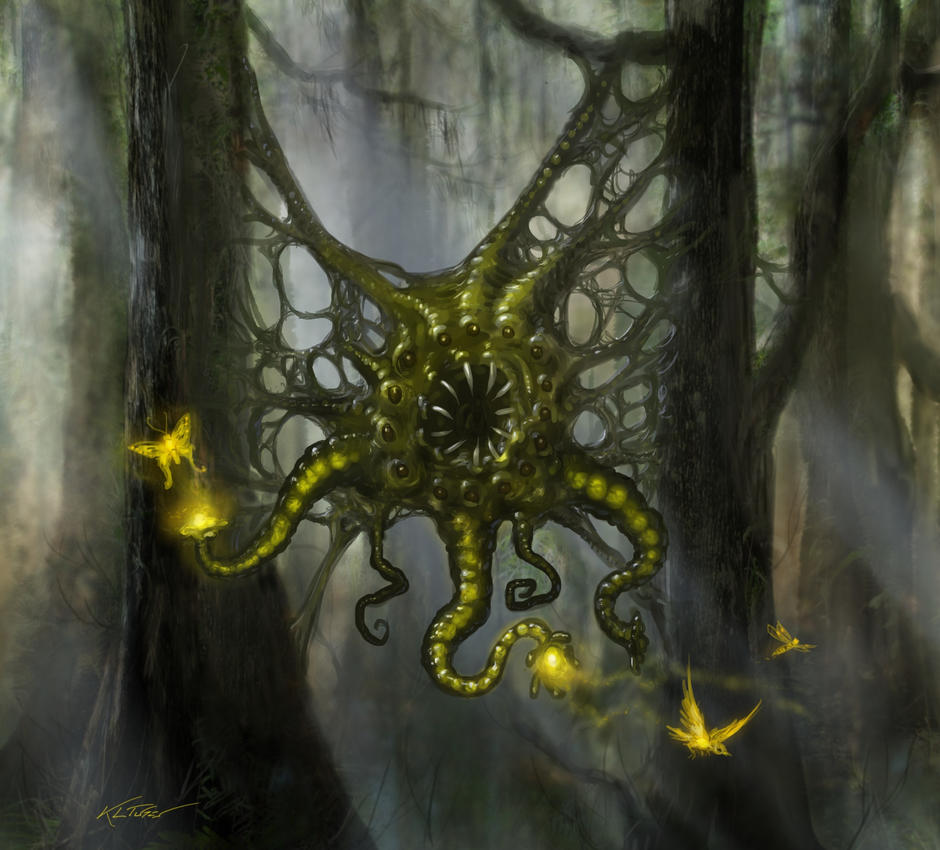
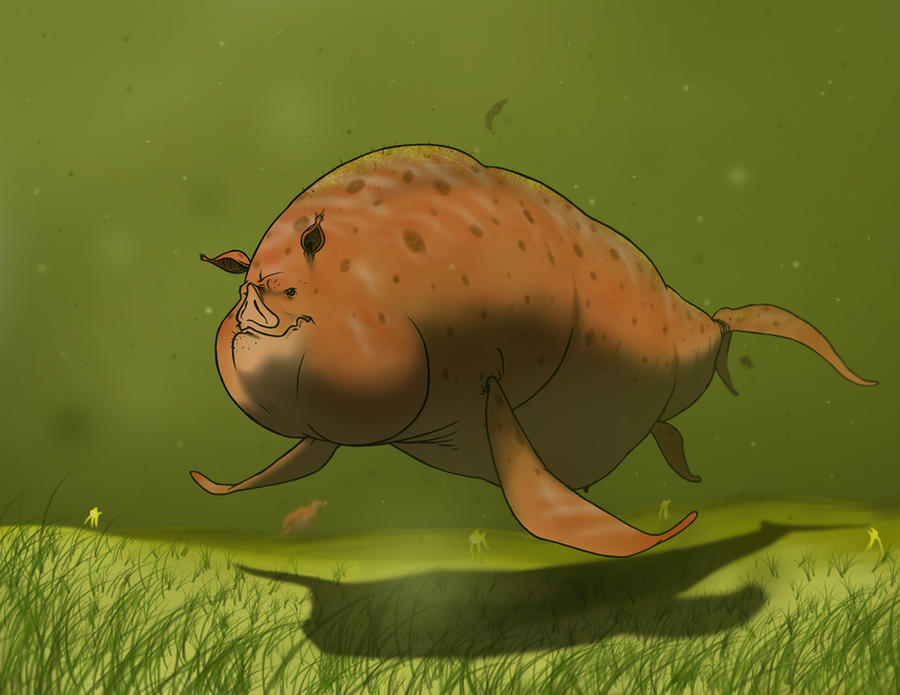
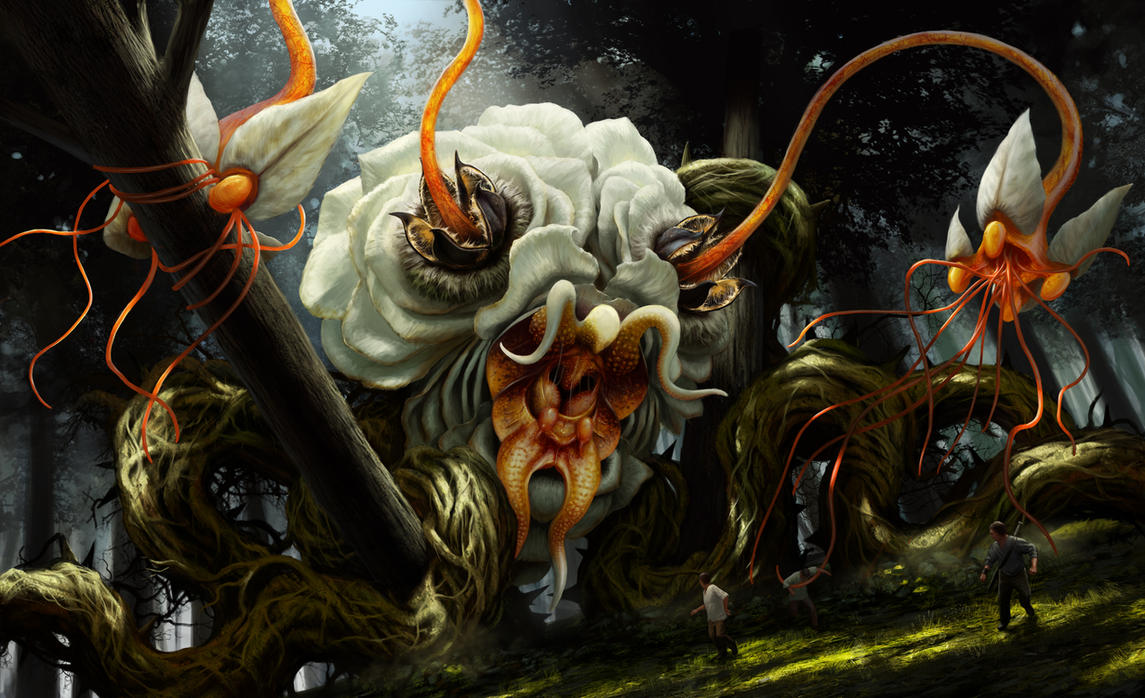
Life Cycle: These cloudwhales exhibit a uniquely destructive method of reproduction. Females do not, in a conventional sense, give birth. Between one and three calves grows to their juvenile forms inside the mother over the course of years. When the calves finally too big, the mother perishes and splits apart, releasing the calves into the sky where they can feed and fend for themselves. Cloudwhales live for 65 years on average.
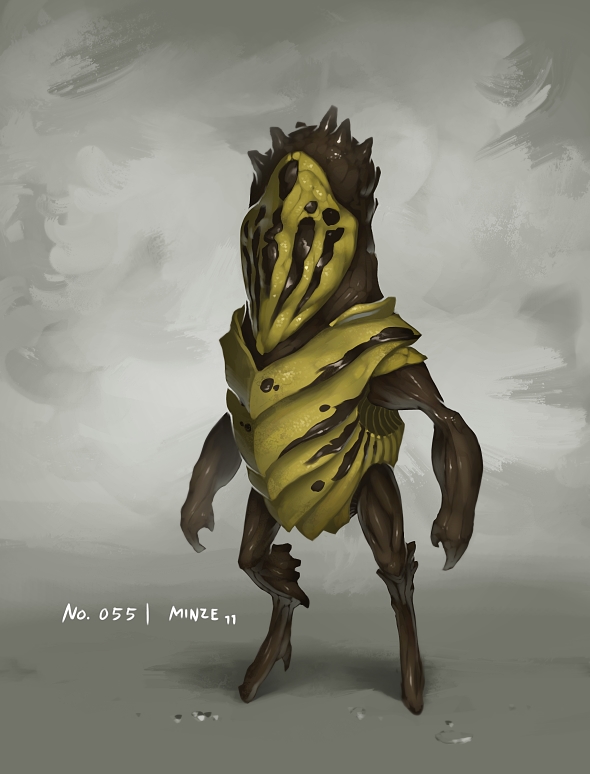
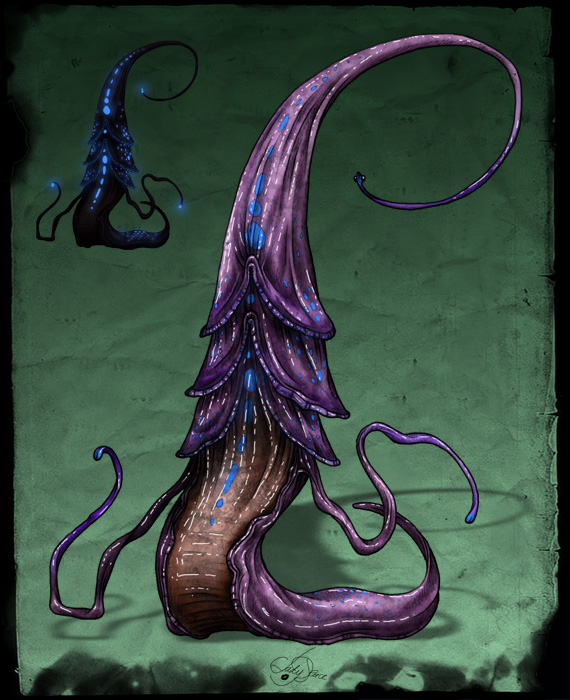
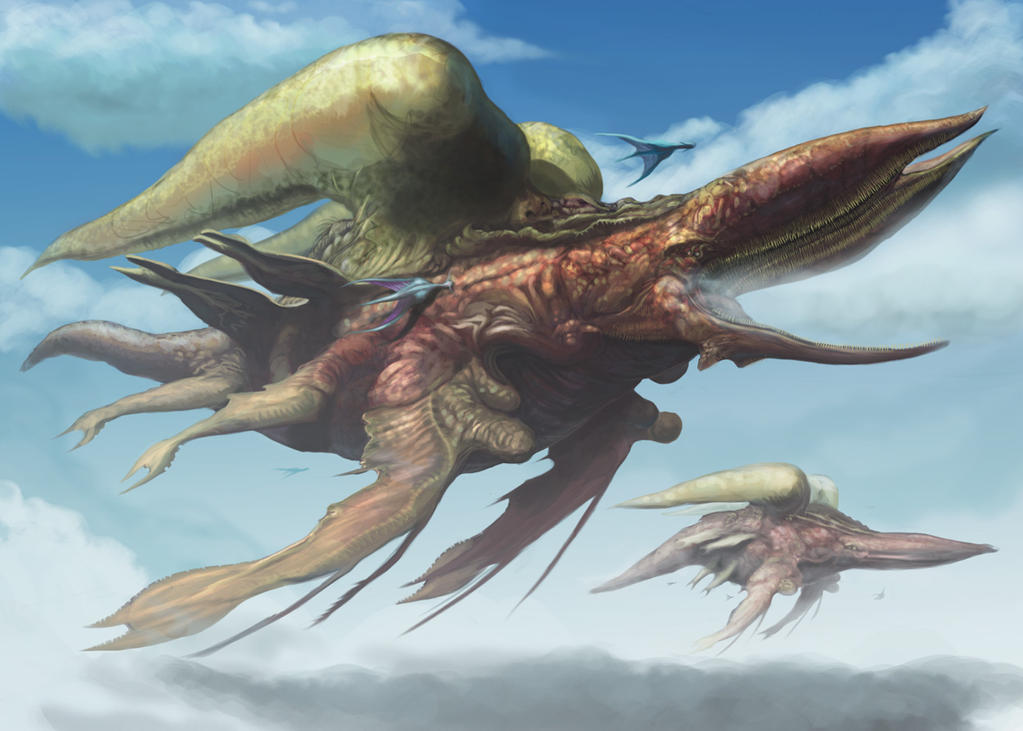
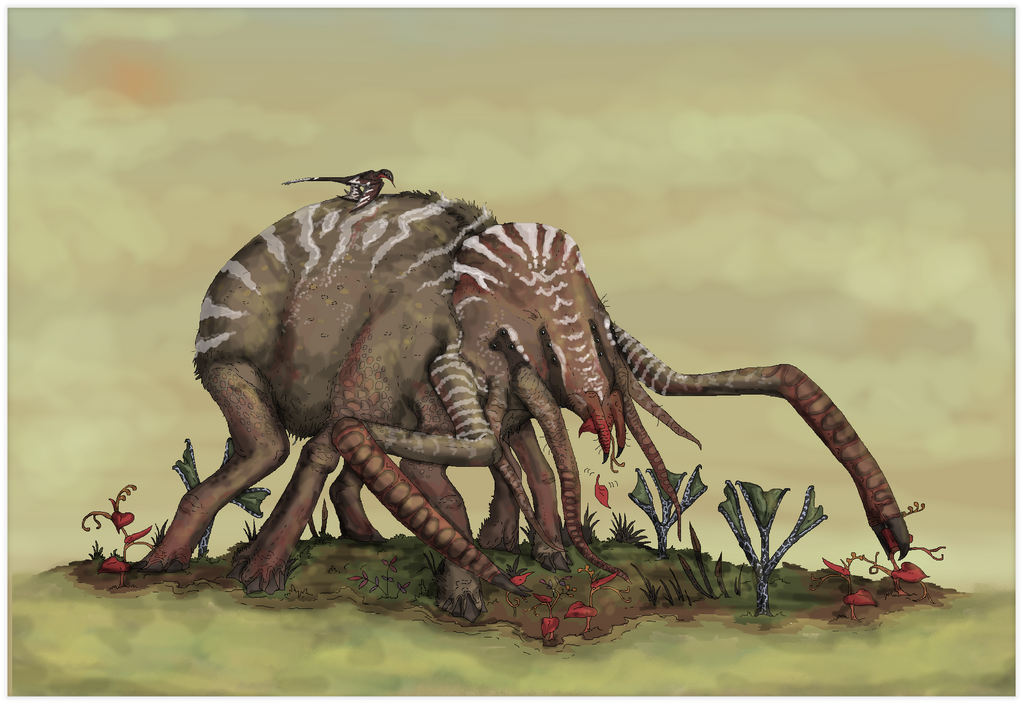
Description: Despite the name, cloudwhales are not mammals, but a type of organism all their own, best described as a mix of fish, mammal, and reptile. Measuring hundreds of feet from nose to tail, they spend their entire lives floating in the sky on gaseous airsacks, never descending to the ground. They feed on clouds themselves, specifically the nutrients held in the water, but also derive a great deal of energy from a symbiotic relationship with specialized breeds of mosses that cover their bodies, giving them a yellowish-green hue. Practically ecosystems in their own right, individual whales go through seasons, and the moss blooms and spreads or wilts appropriately. Many kinds of moss typically colonize a single whale. Like the Brush Beasts down below, they are practically unchallenged by other forms of life—practically, that is, because it is not uncommon for skyrays to attach to them and gouge off a little flesh for food. Old and sickly cloudwhales attract more skyrays and even buzzards, which slowly kill them by using their flesh for food or incubation.
Appearance: Dirigible CloudwhaleLifeformName: Mottled Skyray
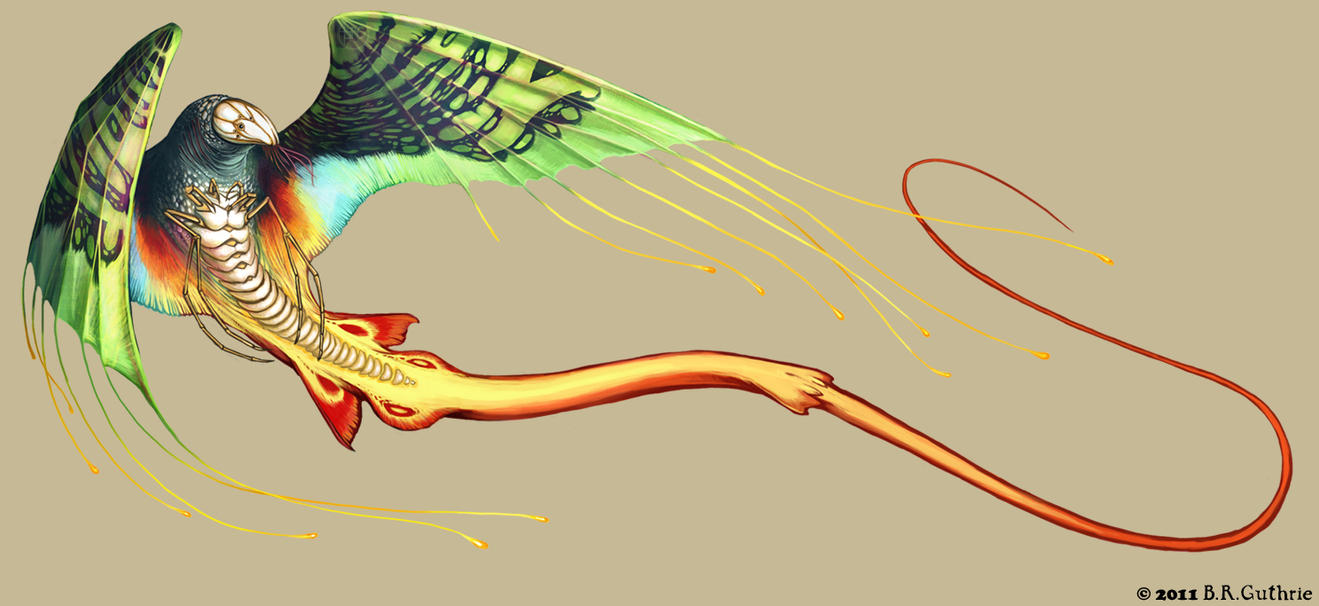
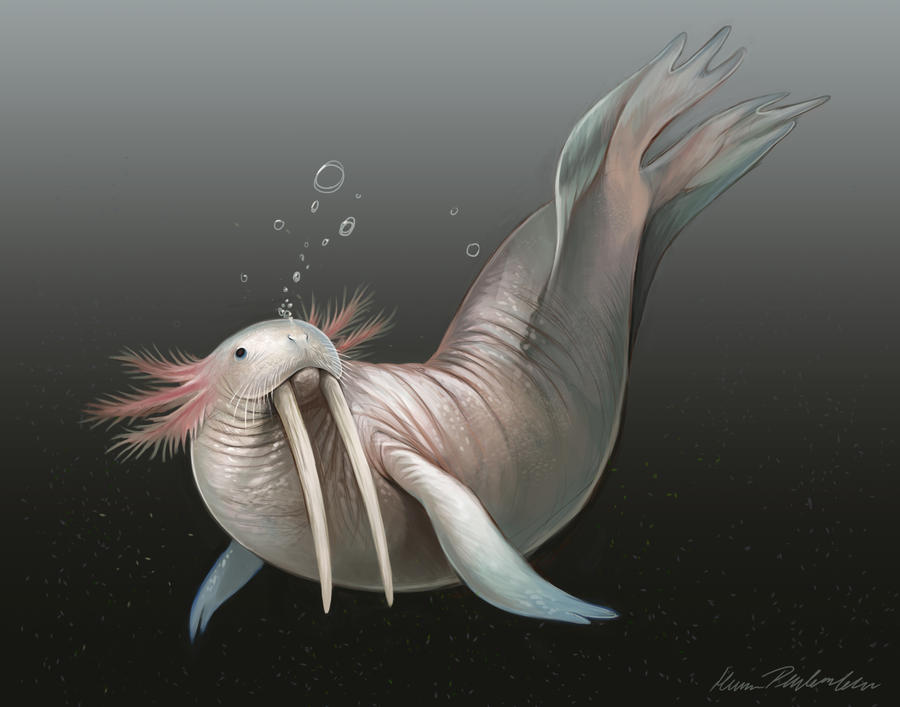
Life Cycle: Clutches of skyray eggs can be found in the pools of the Resort, laid there by mothers descended to earth. Skyray broods, after hatching, remain in a ‘bottom-feeder’ state for several months, scooting along the ground between pools for safety as they try to stay alive. After maturing, they are able to take to the sky, where they remain at low altitudes for most of their lives. Mating for skyrays is a particularly harrowing procedure: using their jets, skyray couples ascend to the top of their atmospheric tolerance and lock together as they start to dive. The fertilization process occurs while both are plummeting toward the ground, and though usually successful, this can result in an icky splatter if a particularly unintelligent couple misjudges the terrain.
Description: Not much differentiates skyrays from their aquatic cousins other than size and methods of transportation. While perfectly at home in water, these omnivorous, oxygen-breathing fish prefer to range across the sky at low altitudes, finding plants or carcasses to adhere to and start scouring. To fly, they employ miraculous, purely organic jet-propulsion organs; they intake vast quantities of air through specializes orifices, pressurize it within, and blast it from blowholes on their undersides to ascend quickly. After that, the lightweight skyrays rely on very efficient gliding. They are highly maneuverable but lackluster when it comes to carry capacity. Their tails do not have stingers, but can nevertheless whip and even skewer aggressors. Like all rays, their bodies are soft and rubbery to the touch, albeit ridged in places to be aerodynamic. From above, their mottled coating makes them look just like sand and rocks below. There exists a rare variant of skyray whose eggs are laid in pools of blood on the backs of put-upon cloudwhales. Known as shrinkrays, they are smaller but stronger, faster, and way harder to kill than their conventional counterparts, as well as colored scarlet.
Appearance: Mottled SkyrayLifeformName: Onyx Phantom
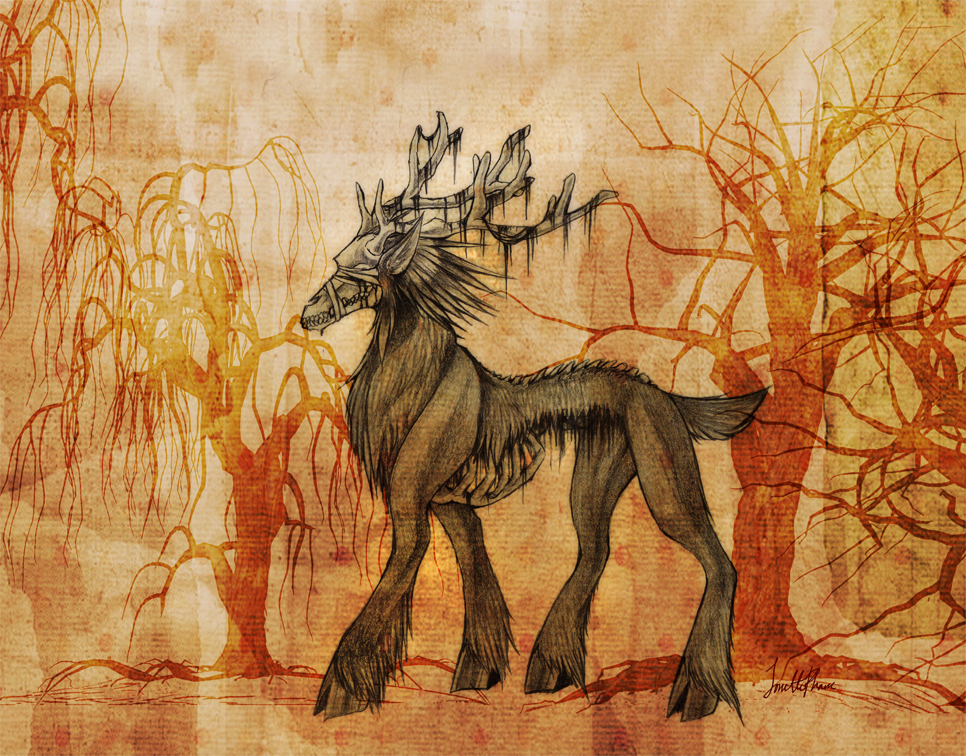
Life Cycle: Phantom eggs are extremely difficult to find, and are well-hidden in high places in the desert. Circular and luminously white, they look like pearls, but are even more difficult to crack. Once hatched after a duration of 7 months, young phantoms are found by a parent, to whom they cling during their youth. A young phantom is often indistinguishable from its carrier. At the end of its first year, the phantom is large enough to go its own way. Their lifespan is quite possible indefinite, though after a certain point in their lives their dark feathers turn ghostly transparent.
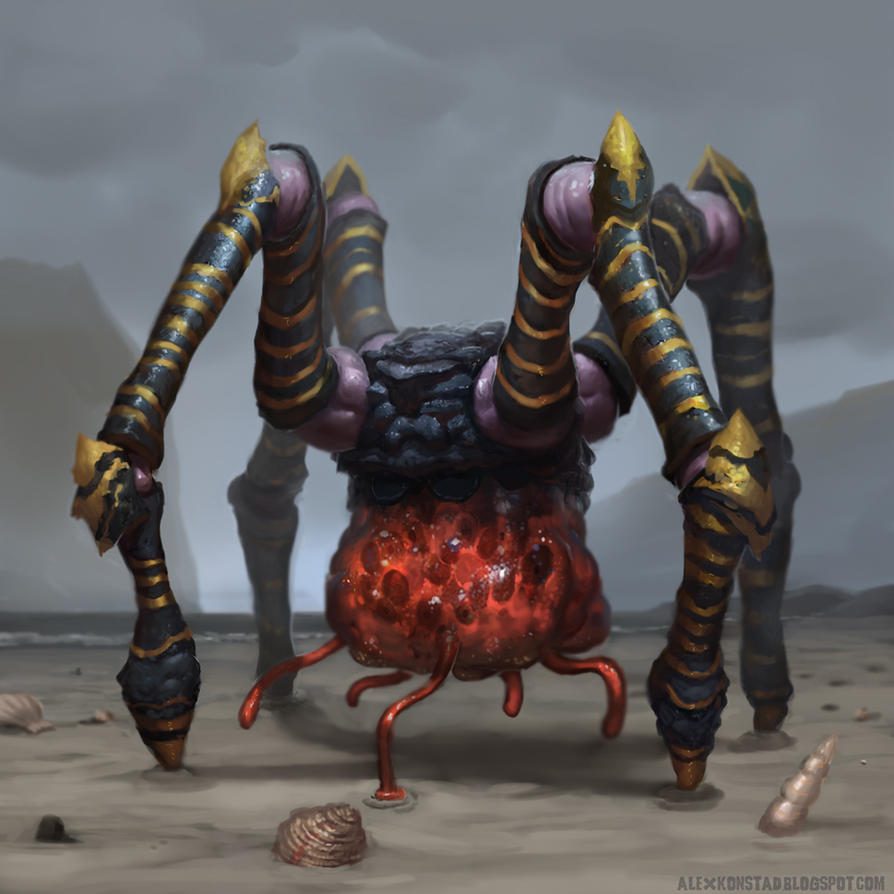
Description: Speculated to be distant, more owl-like cousins of the Desert Ghosts, phantoms are even more ephemeral and mysterious creatures. They exhibit the same sort of invisibility-powder, but never appear during the day. Phantoms typically ‘haunt’ a single, special part of the desert, including caves, ruins, tombs, canyons, and so forth. They are herbivorous and feed primarily on cactus-fruits. Their activity, somber and lethargic sometimes while frenetic and excitable otherwise, seems tied to the phases of the moon. Most interestingly, phantoms appear to have some kind of telekinesis, with which they can manipulate objects and living things as if they were poltergeists. Phantoms garner associations with spirits and death in many cultures.
Appearance: Onyx Phantom  Member

 CabbageAngel,
 TruthHurts,
 Eviledd1984,
 DancesWMonsters,
 Archmage MC,
 Dyelli Beybi,
 FujiwaraPhoenix,
 Bingelly,
 XoXKieroBombXoX