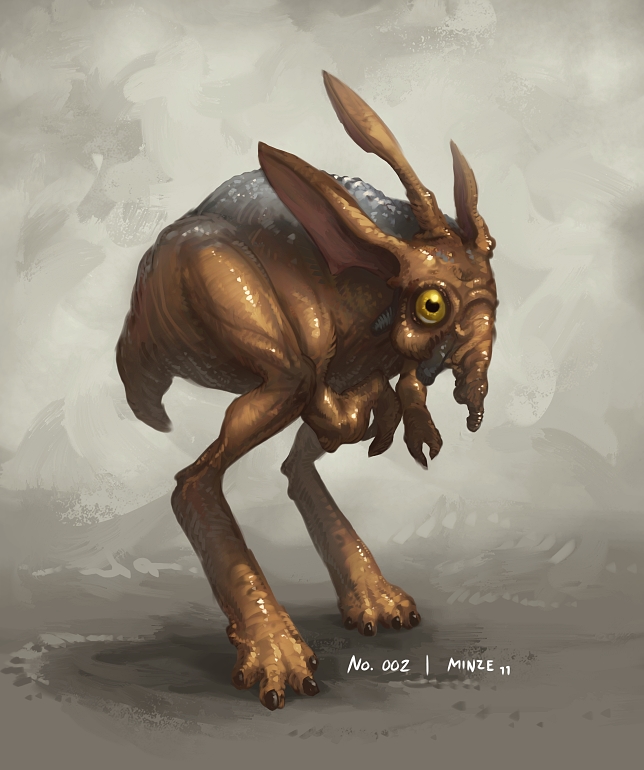
 Scientific Name:
 Kubaya zygaena
Threat Level: 0
Height: 9.1 Inches (23 cm)
Length: 36 Inches (90 cm)
Weight: 4 Kilograms
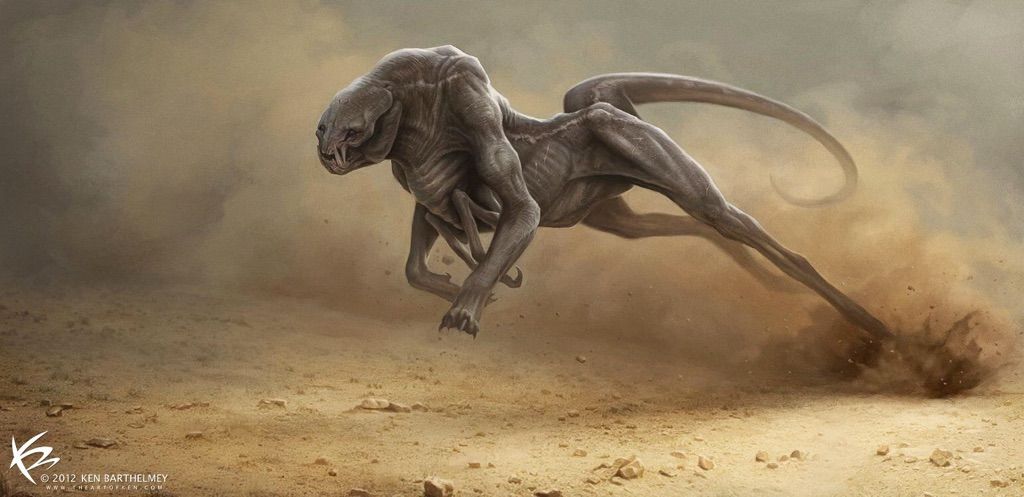
Description:The Kubaya are small bipedal creatures that scuttle across the forest floor, forging for berries and other small fruit. Their long yet flimsy snouts allow them to suck fruit and put them in their mouths, much like how elephants do on Earth. They travel in mild to large groups and have an exemplary good eyesight, especially in the dark. Extremely harmless, they’ll flee and hide from anything in sight. The Kubaya are also reasonably fast, going up to speeds of over 20 miles per hour over large strides. Their calls can be identified by the little “clicks” and long “squeals” when alarmed.
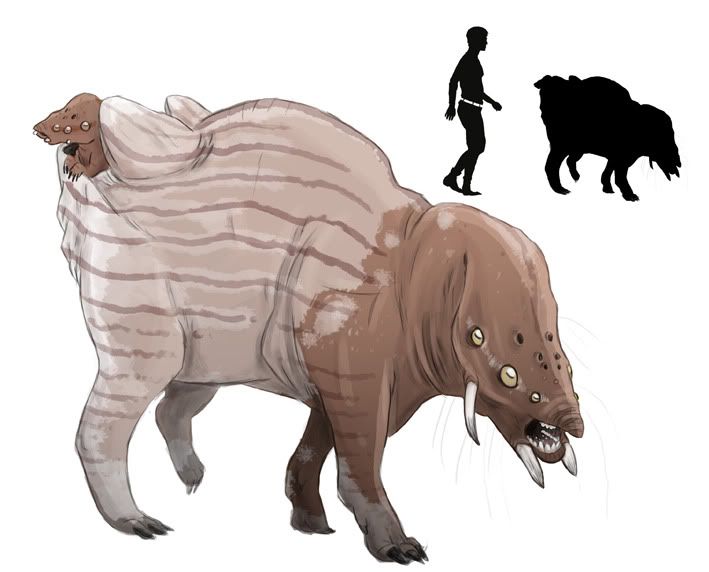 Scientific Name:
 Phocysodon catesbua
Threat Level: 2
Height: 4 Feet (1.2 meters)
Length: 8 Feet (2.4 meters)
Weight: 650 Pounds (295 kg)
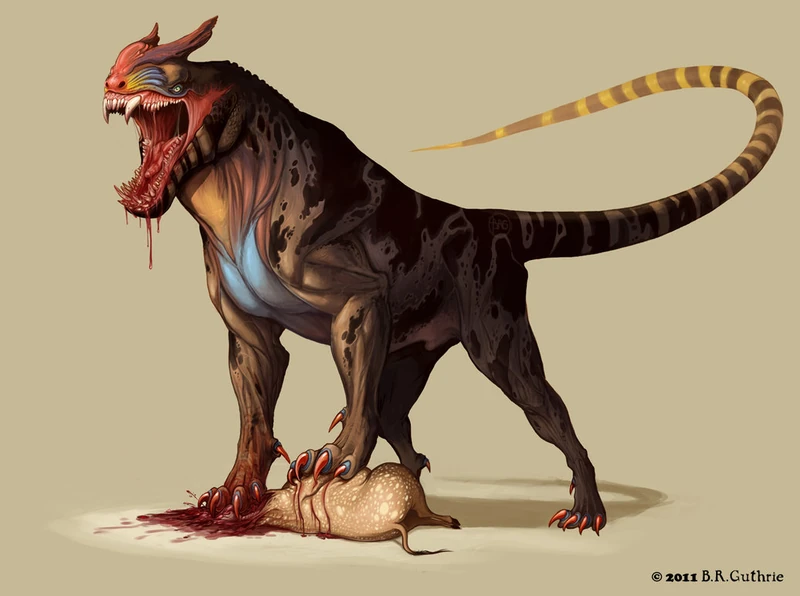
Description:The Phocysodon is a generally harmless marsupial that resembles much of Earth’s tapir. You usually find them in small herds scouring the ground for grasses or fruit, their favorite being the Narcian fruit (yellow with long hairs on them; tastes awful to humans). Most notably, the female specimens have two pouches at their end of their backs, allowing for their young to travel in relative comfort for the first 2 months of their lives. Scientists are unsure what kind of evolution upturn would cause these pouches to form there. While generally harmless, male Phocysodons can get aggressive when protecting their territory, with the same going to females when carrying their young. Their calls can be identified by the pig-like grunts and rapid “chirps”.
 Scientific Name:
 Herculine plingua
Threat Level: 3
Height:3 Meters (9.8 Feet)
Length: 11 Meters (36 Feet)
Weight: 3 Tons (2.7 Tonnes)
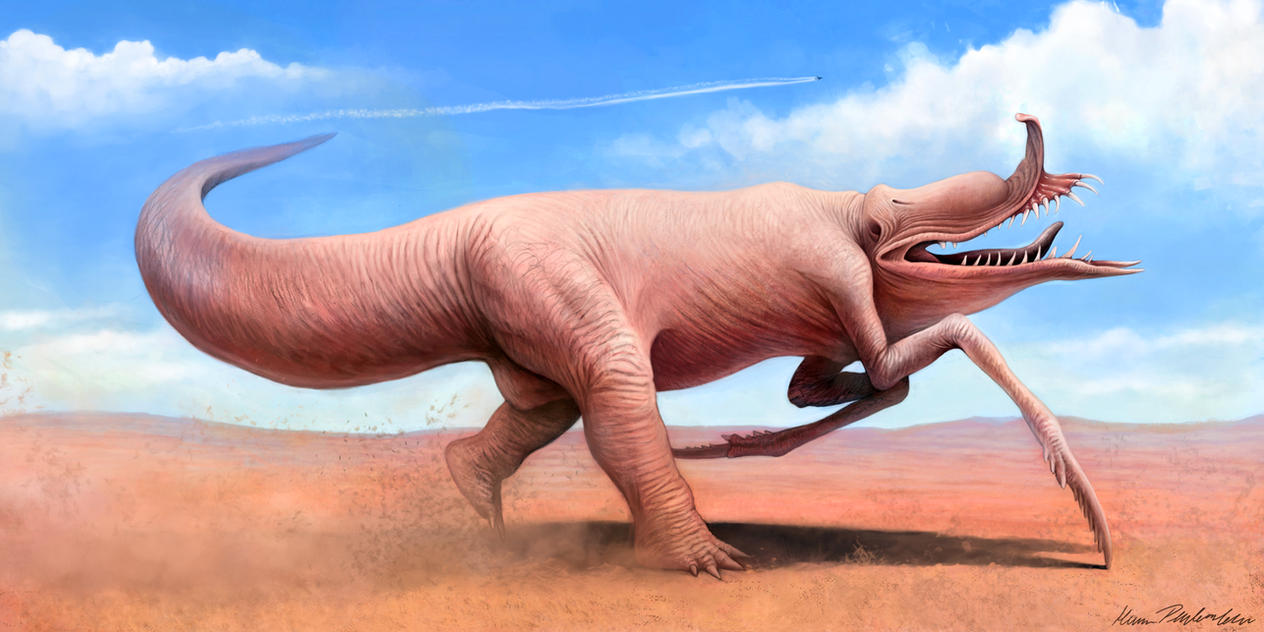
Description:Also known as “Feathertongues”, the Herculine are large quadrupedal herbivores that are named after their long feathery tongues. These tongues are used to grasp high leaves and fruit from the higher trees and bring them right into their mouths. They’re highly sensitive and are able to detect what’s edible and what’s not, along with providing them with their sense of smell. They usually travel in small family herds, with the youngsters being protected in the middle of the herd from predators. Herculine meat is considered a delicacy in some cultures and recently a major organization is trying to breed these animals for farming purposes. Their calls can be identified by “gurgling growls” and “whale-like moans”.
 Scientific Name:
 Zetamirous ghelirthamane
Threat Level: 4
Height: 5 Meters (16 Feet)
Length: 6 Meters (19 Feet)
Weight: 9 Metric Tons (8.1 Tonnes)
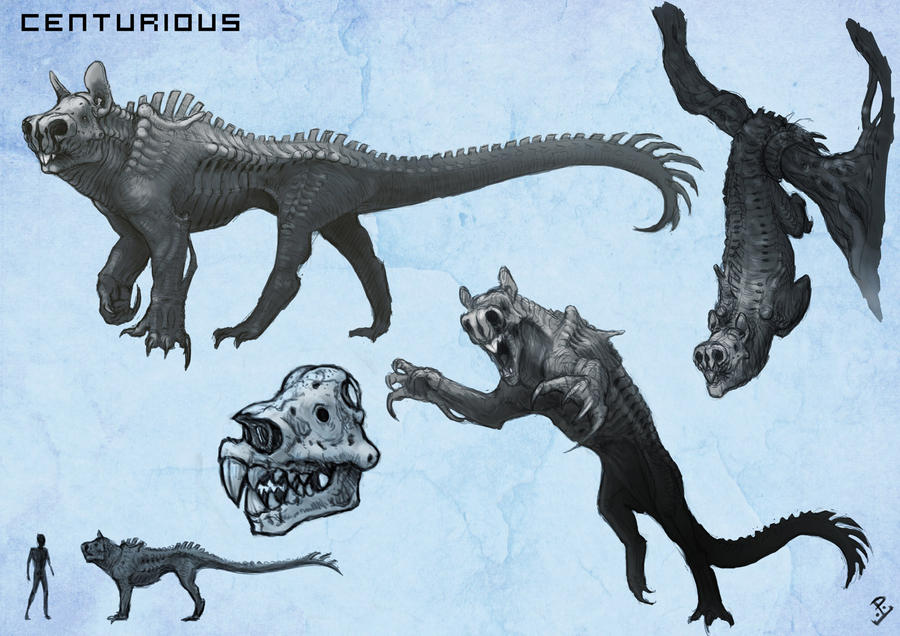
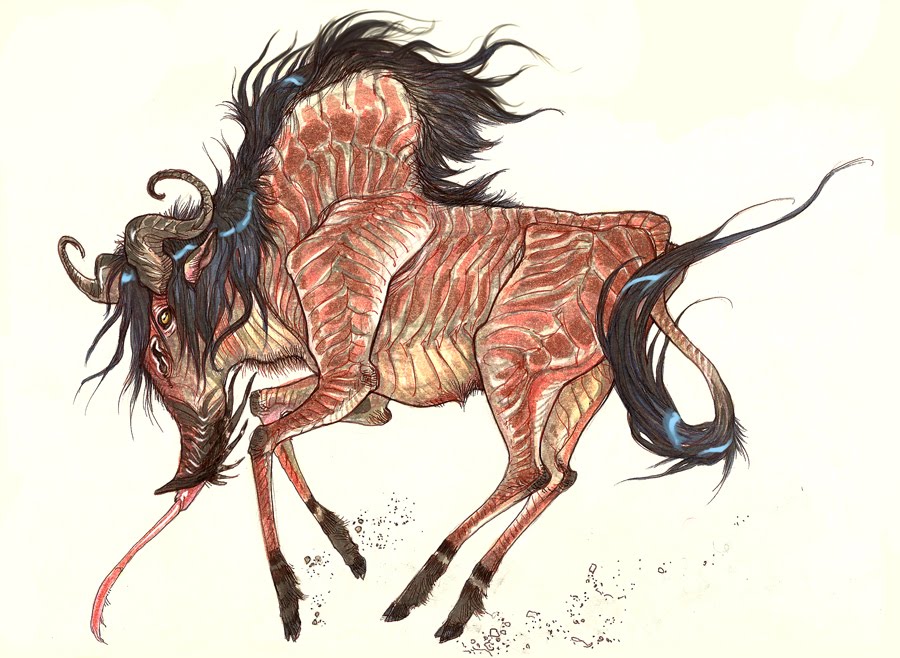
Description:A distant relative to the herculine, the Zetamirous (or simply “Zetas”) is an armored herbivore known for its long thick bony crest, which almost spans its own body length. The crest seems to be made of 90% ivory, which is an illegal but extremely profitable item in the black market. If discovered by the general black market, massive hunting parties may result in their extinction. Not much is known about this creature in the wild other than it usually spends its time alone or in mating pairs. Easily aggravated and ill-tempered, it’s best to keep your distance against these creatures. Their calls can be identified by their “deep long calls” and “aggravated groans”.
 Scientific Name:
 Tetracoatlous lucoameuki
Threat Level: 2
Height: 9.4 Meters (31 Feet)
Length: 7 Meters (24 Feet)
Weight: 3 Tons (6,000 Pounds)
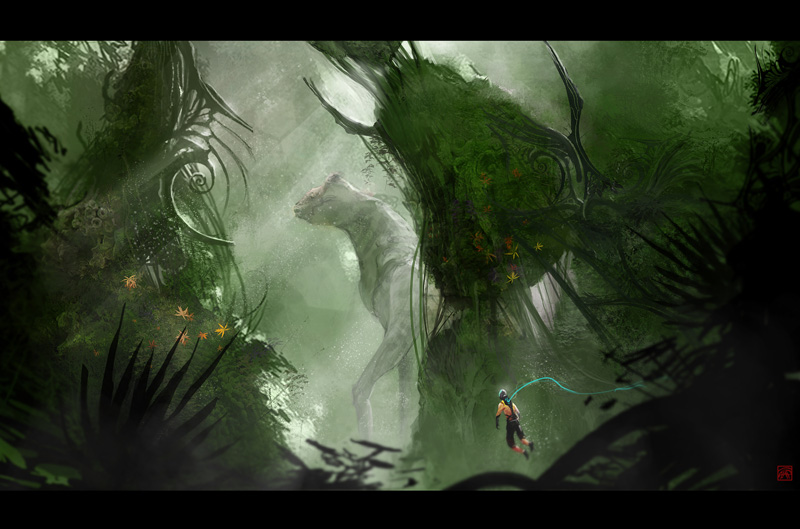
Description:Taking the title as the tallest herbivore in K2B-894, the Tetracoatlous is a gentle giant that often can be seen hanging around in large swamplands in small family pods. They have long lanky limbs that end with sharp curved claws, allowing them to grasp onto high branches and steep bark, as well as for minor defense. The tentacles on their face allow them to forge for underwater plants and algae and can hold their breath for five minutes at a time. They have very few natural predators when fully grown but the youngsters are certainly more vulnerable and susceptible for attack. Their calls can be identified by their “low vibrating rumblings”.
 Member