Current
Fuck yeah, girlfriend. Sit on that ass! Collect that unemployment check! Have free time 'n shit!
4
likes
4 yrs ago
Apologies to all writing partners both current & prospective. Been sick for two weeks straight (and have to go to work regardless). No energy. Can't think straight. Taking a hiatus. Sorry again.
3
likes
4 yrs ago
[@Ralt] He's making either a Fallout 4 reference or a S.T.A.L.K.E.R.: Clear Sky reference i can't tell
2
likes
4 yrs ago
"Well EXCUUUUSE ME if my RPs don't have plot, setting, characters, any artistry of language like imagery/symbolism, or any of the things half-decent fiction has! What am I supposed to do, improve?!"
4
likes
4 yrs ago
Where's the personality? The flavor? the drama? The struggle? The humanity? The texture of the time and the place in which this conversation is happening? In a word: where's the story?
Right, I'm the slightest bit confused cuz it seems you guys all chose Cartelom on your own, rather than the GM giving you such direction. So is it mandated that we write apps which place us all in the same city (with more diverse backgrounds as we see fit, of course), or is it coincidence, right? lol
Well it'll be neat if other people join Tarne and we have two/several narratives running simultaneously. But right now I'll just accommodate whatever the GM wants to see.
Just to clarify: if you see someone post in the Characters tab without having submitted his app in OOC first, it's because I accepted his app through PM's (or through Discord). If you haven't been accepted yet then please post here as is the usual. Thank you~
will change Tarne to another city if staying there would mean being too distanced from the other players. i'm getting the impression that we start in different places and end up converging, though?
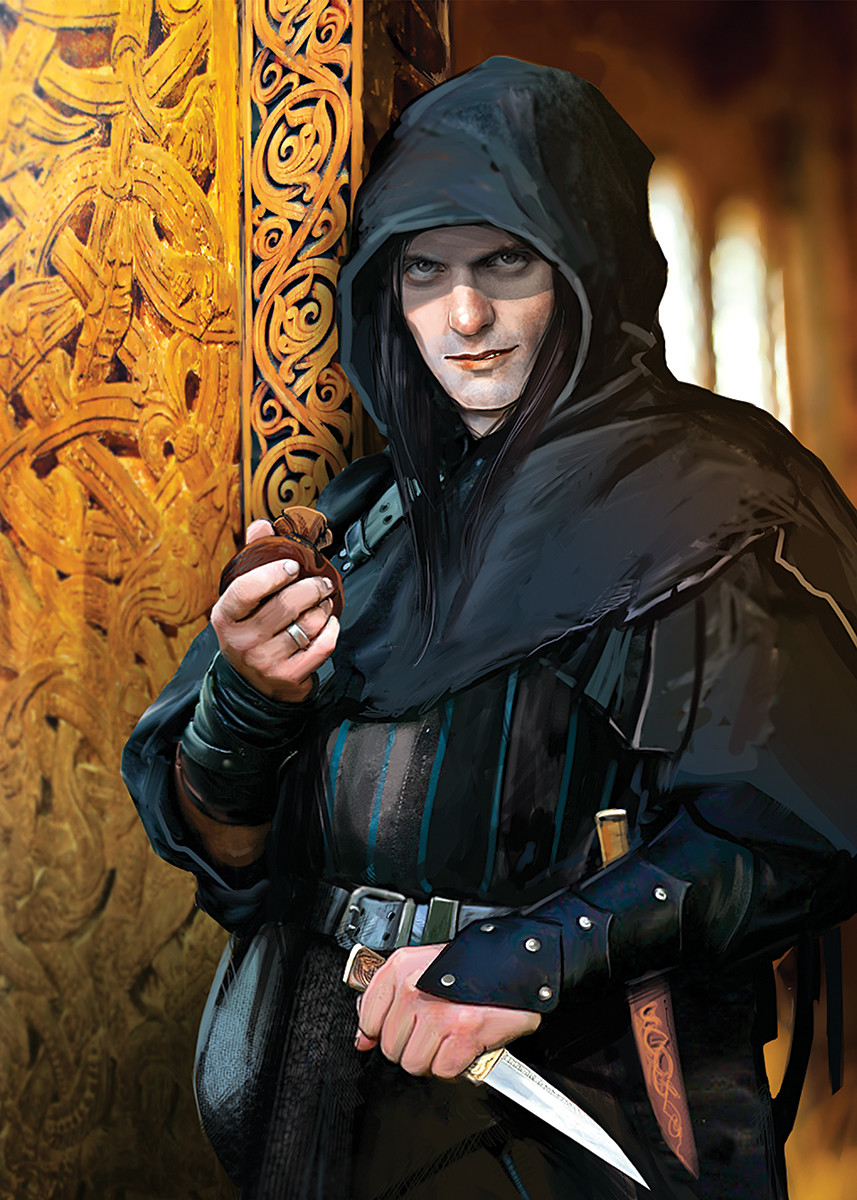
Fighting Style(s): Jethec ain't exactly acquainted with the jousts and melees of song. In fact he doesn't really like to humor "foes" at all, but prey, who did not know that he was there til the boys had already struck. He feels naked standing in open formation with the other soldiers. But he has received barely-adequate sword and crossbow training via the city watch's captains, improving upon what he had already known of these weapons. He can win, but he'll have fought dirty to do so; he makes impromptu weapons of the terrain and also hides weapons on his person. Dirt, foliage, coins, nearly anything can give him an edge in the right scenario.
Equipment: His crossbow, quarrels, sword (a falchion), hauberk, and kettlehat are all standard-issue. He also carries a small warhammer, useful in a pinch as a tool as well as a weapon. But Jethec wears his own bracers, his own boots (well broken in, and softer in the soles), as well as his own lockpicks and poignard. The knife is a good deal more sophisticated than the rest of his kit, featuring both engravings and a precious metal hilt.
Biography: Wulcis was a relatively insignificant member of House Ostogard; a third or fourth son, maybe of a cadet branch. He could not expect a big inheritance; an estate; an esteemed position like general or castellan or guildmaster among his father's cronies. Wulcis had only a suit of armor, a big fucking sword, and a nonchalance about the honor and esteem of his house. Being so equipped, he seemingly had no choice but to humiliate his father and tarnish the family legacy, and he just so happened to take to banditry as his method of choice. His petty nobility protected him from the wrath of the emperor and his corrupt court, just as his steel protected him from blades and arrows, so Wulcis took to terrorizing the roads of his own brother's shire. He also gathered more misfits along the way, adding them to his handful of house knights. This is how Jethec, technically, came under the employ of a nobleman, a fact he keeps ready for anyone fool enough to think that he will tell the whole truth. (Everyone had to forget someone, backstab someone, leave someone behind to make it past the walls.)
The Undeath struck on one such a day, of sitting in the mud along a little road a few days out from Tarne, waiting for caravans and the odd pilgrim. The whole band made it to the city in time, having been warned by the sight of a courier, still bleeding, racing past their ambush, even ignoring their bows nocked and knives drawn. Something far deadlier than they must have been giving chase, they realized in good time, that their predation seemed of so little consequence to this man. Well, Wulcis of House Ostogard was already quite infamous in Tarne, and he and the fellows accompanying him were all cut down when the guards cornered them in some tavern or other, that big sword catching on the chandelier. But Jethec, and the other clever ones, they absconded down their alleys of choice, trickling back into the crowds of refugees. They laid low, picked up honest work and some alibis. Most of these men are still kicking around Tarne today, pretending they don't have a past.
It's well and good to be a nice guy while the going is easy. But when the king orders the gates shut, when more food has been eaten and shat out by the day, when the city runs dry of even basic amenities, a man's neighbors sour faster than milk in the sun. They will always—always—choose their families over their friends; former drinking buddies and even war-comrades will eat each other, given enough days of staring at a wall waiting for death. Thus, every smart tenement employs a featherfinger from among its residents: a man (or two) to keep the whole block that slightest bit better-fed than it would be without. Jethec is one such mercenary. When the city is doing well for itself he patrols its walls and alleys as a town watch; he keeps order in the streets, and cleans them of the riots, the other thieves. But in lean times he joins their ranks, breaking into the same storehouses and supply depots he is paid to keep free of such vermin. Quite convenient, in its way. Jethec can relive the old days of taking what he wants, when it suits him; collect an honest ration (and hurt the competition) when it don't. Some things never change. Long as he don't get caught. Maybe a jackal can eat lettuce when enough of his ribs are poking through but you can't teach him to like it.
Tarne, meanwhile, rides the winds of change. The chant on the streets tells of conspiracies from the castle. Expeditions leaving the cities, looking to end whatever necromancer or great demon had summoned this invasion, erasing the plague for good. Some men stand in line to volunteer; others, like Jethec, are "volunteered" on their own behalf. Seems bad luck don't change much neither.
Appearance: (Use a written description AND/OR an image file at your leisure. Please see the guidelines on image use and be absolutely certain that your image matches the tone of the game.)
Skills & Talents: (Just a list of things the character boasts above-average skill at. Nothing fancy. As the GM I can also approve a hidden "surprise" or two via PM, as long as players show rapport and do not abuse this privilege for deus ex machina.)
Traits: (A couple of single-word personality descriptors. Don't go overboard here; we still want to meet the guy IC.)
History/Biography: (This is the important part. Write as decent of a short narrative as you can, even a self-contained short story if possible, according to the character himself. That is to say: feel free to lie, exaggerate, threaten, insinuate, ... or even, I dare say, tell the truth. As long as the contents are not flagrantly unbelievable, as long as all of it seems at least plausible, it will be accepted, assuming it follows all other guidelines.)
Allegiances: (These, again, are listed according to how the character presents himself at the start of the game. These can be untrue, or they can change over the course of the game. List them in descending order: a pantheon, any specific patron-gods, race/nation, then tribe, then a specific leader or ruling class, as applicable.)
Rank: (This is either "CHIEF" or "RETAINER." Leave this blank if you're unsure or if you do not mind filling either role as a need arises.)
Most men are old when they become a burden unto others. Swidda was still young. Most, when they are not maimed in battle, are taken with disease and feebleness in their waning years. Swidda lost his body to the mountains, to the elements; really, to the land itself and the gods which govern it.
He carried a square shield on his back and an axe and a sword on his waist. His body was strong and beautiful under its warpaint. He did as all hale-bodied youths aspire which is to join a war party, winning wealth and territory for his struggling community. So, equipped with good bronze, trained and led by a very decent captain, they took to the Thraxians, the rival tribes there, in search of their wants. Salt came first, as winter was nigh and there would be nothing to forage until the evergreens beared fruits again, but mead, iron, tools, anything the southern empires would buy the warband could bear to haul back over the peaks.
Only they found no liquor, or tools, or metals precious and otherwise. And winter had come early, from the north, as a sort of short-lived raiding party much like their own. First they saw it through the boughs, a bubbling black ambush sliding down the sky like pitch. They smelled its stinging sweetness; it prickled their necks. Before long they were buried, huddling around a tiny fire they couldn't keep lit, burning their oily meat rations when there was no more dry wood left to scrounge. Swidda never saw an enemy, never mind slayed one.
He also never saw some of those men again; they did not walk out of the blizzard with the rest, anyway. But they must have survived if he could, even as his toes went black, his fingers next; even as the snow sucked the vigor from his body and a dreadful peace swept over his soul. What had he done to deserve this abject end? He had a good idea, until he made it through the white hell, until he felt warmth and light again and needed only sacrifice a few digits for the privilege. It was less obvious then.
Today, in the better wisdoms of his seasoned years, his experience in the mountains feels far less like punishment than it once did. He was robbed of his most conspicuous blessings, certainly, but has uncovered others since. He cannot help but feel these days that that storm saved him, in its way; it stole the swiftness in his stride, and the hardiness of his hands, and even the tips of his ears and nose, but in some useless skirmish or other he would surely have lost his mind, too, and his mind has proven a far sharper gift than any limb.
On the wrong side of the mountains, taken unto another tribe's land, unable to fight or to forage, unable even to rise from his bedding once he was placed there, Swidda had only books and stories for company through his many, many moons of healing still to come. And the books he could not even read. But time was on his side, and the sages of this village had taken to their precocious guest, who the mountains had changed. While he recovered he was able to learn the dialect as it is scratched into stones, scribbled onto slabs of wax and clay. He could never swing a sword again, he could barely pick up a stylus with the fingers he had left, but the more wisened tribesmen must have seen in him that same art which was once buried under his muscles and weapons; unless they simply pitied him. Whatever the case, when Swidda's body returned from the Thraxians he was sure that it had shed its fierceness like a snake its old skin. All notions of cruelty and violence had gone out of his life, and the sages had to have seen a potential in him for healing the world, for teaching it, for bettering its understanding of itself. Alas that they were wrong, in the very end; war returns to the hills, and before very long all men begin to obsess over it.
Swidda had returned to his first people, the one which sired him, a few years after this experience, when he was strong enough again to make the journey back through the daggered hills. They were pleased to see him again, and pleased moreover that the loss of his strength had not ruined his spirit as well. For generations Swidda served this community of old and continued his learning under their own seers and scholars and poets. He expected to die here as he had lived in youth. But he remembered well his debt to the ones who had saved him, too, and planned to return there someday already.
Until the Nhirians came he was even slated to become a druid. But the men who would have elected him are gone now. Only a few have scattered into the Thraxians who may still remember their names, who honor their sacrifices, including a certain gentle sage.
He has returned, if under mournful circumstances, to aid the Eioni, intent on compensating the ones who nursed him back to life all those decades ago; to help them find peace, if peace is possible, and avert them of the fate which befell his first people. The sons rule now where once the father reigned; Gederik is chief, and he pays well, in companionship and beer, for the stories Swidda can tell of his forebear's courage and kindness. The two have become dear friends. Young tribesmen cannot remember Swidda's first visit to this place, but he can never forget. This time he won't run away; if there is even anywhere left to run by the time the Eioni have fallen.
The same scourge comes to annihilate them which has already annihilated Swidda's own people, made servants and corpses of them far to the east of the venerable mountains. Can he survive this war without losing all that he holds dear a second time? What else will he have to sacrifice to finally know a true and lasting peace?
Tall and supple stands this sage of the Eioni peoples, like wheat bowing to the wind. Gaunt of countenance and humorless of demeanor is he, barding himself of dark and rough-hewn robes. He wears no jewelry, and while speaking he hides his ruined fist behind his back or in the recesses of his sleeves, striking a scholarly pose but also hiding the mangled flesh from the vanities of others. Other parts of him are said to have been kissed by the same rot, although no witnesses—including his wives, goes the gossip—can claim to have seen it themselves. He does walk with a heavy limp, however. Unlike most Thraxians he keeps his whole face shaven. His straight steel mane he meticulously brushes for knots and lice. Age: 58 Skills & Talents: Swidda was a warrior in youth. Though he can no longer fight he remembers well the tactics and practices which kept his fighting-fellows alive. His advice in war goes unheard nowadays, or unspoken, but he could serve any chieftain well at the rear of a battle. Swidda is a practiced diplomat and negotiator. Swidda reads, although he cannot write; he recites well the memories of his peoples, although no songs will be written about his own life. He tends a garden. Small animals get nearer to him than most, sensing a gentleness in his weathered and weary spirit. Traits: Gentle; Nurturing; Thoughtful; Indecisive; Fearful; Tormented Allegiances: The Angaturiz peoples; The Eioni peoples; the Acani tribe; Gederik, its chief. Rank & Role: RETAINER. Swidda serves Chief Gederik of the Acani tribe as a scribe, an advisor, and a diplomat.
Contractor: (On whose behalf has this assassination been organized? Who wants someone dead?)
Operative: (If a different person) (Who will actually be carrying out the assassination?)
Primary Murder Weapon:
Misc. Weapons, Tools, & Equipment: (Including any camouflage/disguises)
Plan Outline: (Roughly describe the sequence of events as it has been planned between the assassin and his master IC. When and where will it happen? Any variables that have been accounted for? Is evidence being hidden, or a drop weapon being planted? Do you have to slip past a guard patrol route or a locked door? The more thorough this section is, the likelier the plan is to succeed.)
A young man stares out at a shimmering sapphire horizon and he sees opportunity: for wealth, for glory, for adventure, for escape. What he neglects to see are the monster, the monsoon; gods and nature in conspiracy. Any sailor worth his rations could have warned these bitch-whelps that their big blue lover suffers no infidelity; she can swallow them as soon as kiss them. And many will never see land again who mistook her summer sweetness for affection.
But sometimes, by moonlight or by the oppressive afternoon heat, they do return to land. They drift up on a foreign shore, clinging to their flotsam, battered, weary. And they bring a warning.
"The drums," they say through trembling lips and chattering teeth, "the drums ..."
Worse things haunt the seas than the fang-gaped beasts under its surface and the winds and the waves. They are reavers and chain-makers. They are Atalmo.
Most striking at a glance is the ebony of their skin, deeper and richer than any other race can boast; and their cloaks, woven with the feathers of exotic birds. They reserve peacocks for only their wealthiest merchants; blue-gold macaws for their brides and daughters. But when other men see these resplendent colors they tend to avert their eyes, cough politely, and shuffle on; or murmur a favorite obscenity; or, if they particularly catch the interests of the Talomaics, they drop their wares and run, run as far and as fast as their bodies allow. Because the colors are a message, the same one painted over their sails, their decks, their bodies: that some men are buyers, others are sellers, but every man, in his way, is a commodity.
People say the Talomaics have discovered a toxin for every degree of painful death they could ever wish to inflict. A certain frog's skin blackens and liquefies the body from the inside out, starting at the organ nearest the point of contact. The spittle from a hooded viper's fangs pops the eyes and the blood vessels, leaving a purple bruisy corpse. The flowers of a particular plant are wringed of a sweet nectar which makes the muscles unable to relax again after they have been made rigid, leaving the victim to slowly strangle himself. Maybe it's all true. But another application none can refute; the Talomaics' favorite poisons are used to subdue and to tranquilize. Then they begin the harvest, and when they have collected their fill of flesh they ship it back to the islands to be branded, speyed, and broken. Only when it is immaculate is it fit for market, where they will display it in fine clothes and perfumes, with unerring straight-spined elegance. Atalmo needs everything utterly perfect. Its archers do not miss; its training does not falter; and it delivers the most obedient slaves in the world, for the highest rates.
Despite their cruelty, Talomaics select their leaders almost solely by their ability to do this: bringing the most wealth, the most labor, the most ships, the most influence to the mother nation. They do not answer to their strongest and meanest warriors but to merchants, wardens, ship-kings, who govern the islands and currents from their forums deep in the emerald jungles. Atalmo has geography and ecology to thank for this; no one dares, for none before have yet succeeded, to march the length of the peninsula. They can only hack in vain at the dense, roadless brush, and wait for the predators and strange diseases to take them. Should someone send his fleet instead to take one capital island, the peacock ships will simply rendezvous at another. So it goes for as long as the invader can bear to fight his futile war. The smart ones turn round and flee at first sight of the futility of it; the foolish are sold back to their homelands, branded and castrated and tongueless.
It is slightly the shame that no one has ever returned from the greatest deeps of Atalmo's forests (or at least has never told of it). At other ports these shadowy men chant ceaselessly of their palaces, carved of volcanic glass in the images of animal gods, circled by menageries holding beasts no other men but they have seen or collected. But if a Talomaic says he has an obsidian palace then people are quick to believe him, unlike most alehouse braggarts; he has been bred, born, and groomed all his life to prefer death over the shame of a broken promise. In fact, the more ludicrous and exaggerated the promise, the stronger the Talomaic's earnestness. Because whereas most nations need soldiers to survive, this one needs customers, and the customers will go elsewhere if another peddler proves more trustworthy. The Talomaics will not win any glorious wars. But they have won a lot of loyalty from the right men—the ones with heavy purses and kingdoms to build.
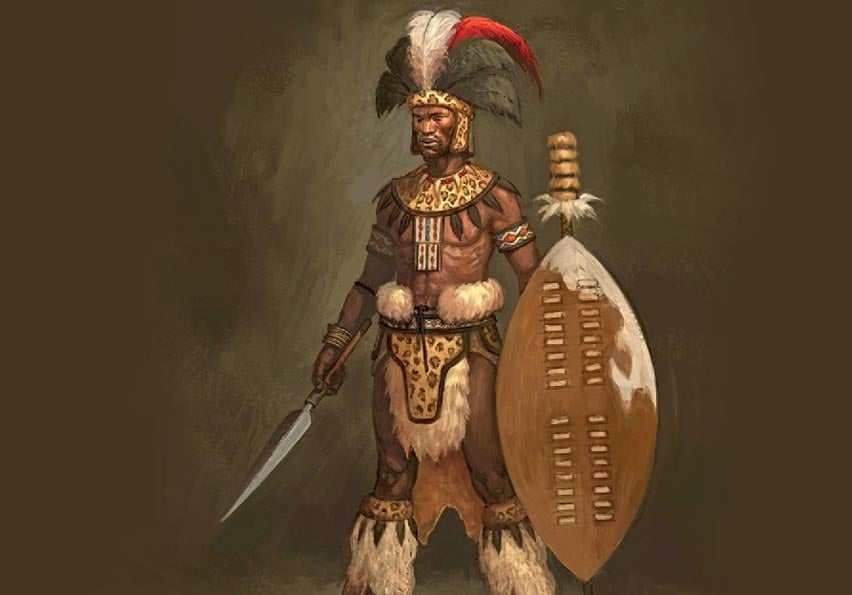
The hues of this Talomaic's cloak would suggest a relatively low standing on his ship of employ. He may be an ordinary slaver-soldier or even a mercenary.
Woman and daughter. The elder is wife to a wealthy and important man—a fleet captain, perhaps—as proved in the colors of her mantle.
Advantages
Disadvantages
Arguably the best sailors and pirates in the world.
Excellent archers and skirmishers, skilled with all manners of ranged weapons including bows, throwing spears, blowguns, slings, and darts.
Their slaves can offer basic infantry support; battle-fodder weakens foe before the main clash.
Excellent fighters in tight quarters (ie., below deck, thick jungles).
Great at ambushing and guerilla tactics.
Well-fed and strong of body.
No cavalry whatsoever.
Inadequate infantry support.
Easily enveloped on unfavorable ground; a widespread lack of tactical prowess due to a penchant for targeting weaker foes.
Fragile morale; mercenaries and pirates waver quickly against a superior enemy.
They call their mountainous land Kher-ap-let-sepernefri: literally, "the world's-edge fingernail," owing to their belief in a hierarchy of body parts. The fingers and toes, being the pieces furthest from the heart, are the channels by which evil energies escape the body. It is perfectly typical for a nation to have an ego. Each believes itself the greatest, the most important piece of the world; the heart, or the head, as it were. But what the gods dream, the Eshkheps build, and their land is a crossroads for the mystical and the occult, the dead and the devilrous. They fancy themselves the world's hand, fingernails and all.
Be it an ailing and afflicted hand, to be true. Whereas the northern Eshkhep lives and dies at the mercy of a single river, the southern is drowned under a thousand tributaries when the mountains melt in autumn (maybe the same disaster said to have razed the Nasha Valley, and driven from that place the once-peaceful Aqqiyabats). Where the Lower is buried and mummified in storms of salt and sand, the sweet rot and the pestilence cling to the damp of the Upper's air.
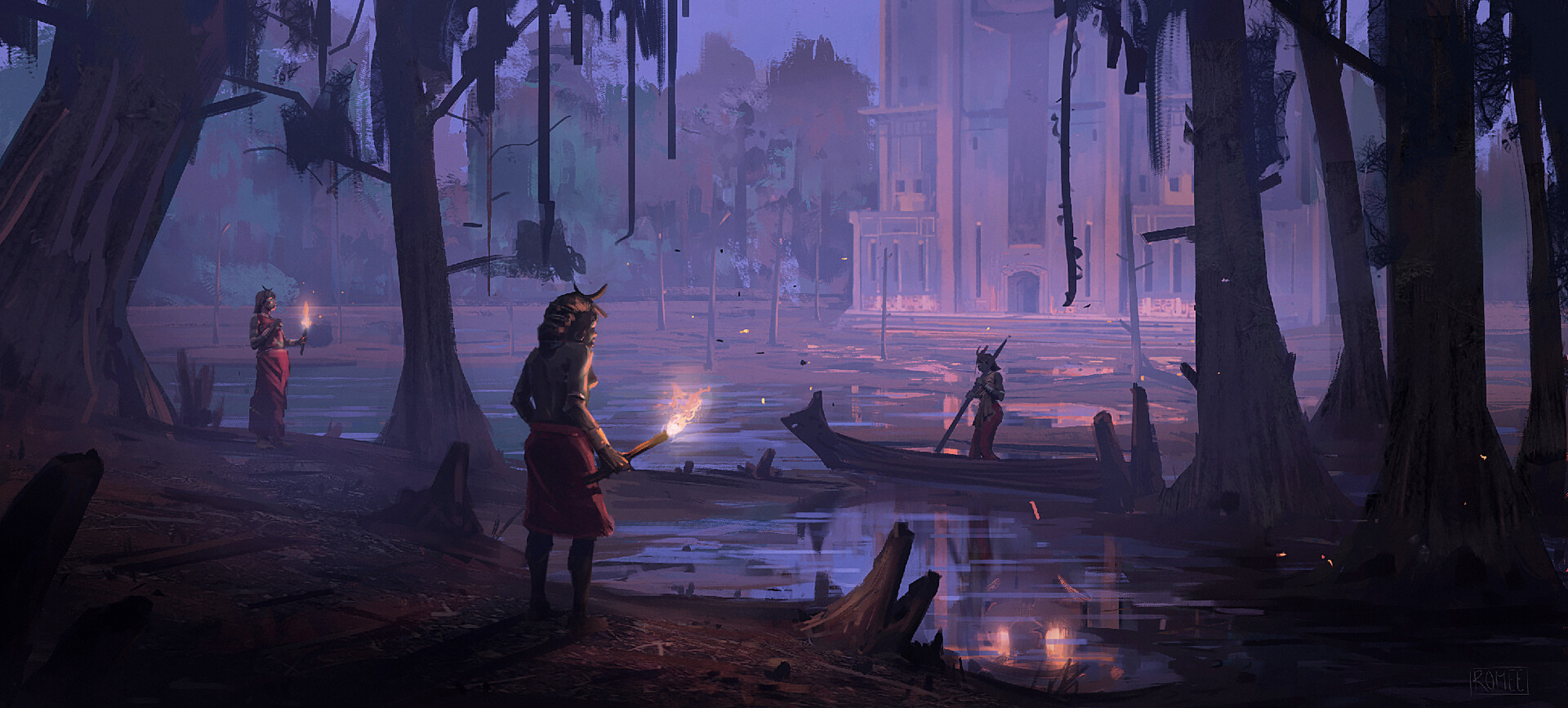
The mysteries and perils do not end at the borders, either. West are the Dusklands, where cross the dead into their afterlife (and the wars have blotted the sky with them of late). East are the harrows of the Screaming Sand, and to the south those same impassable mountains, guarding—or holding back, like a dam and a deluge—the true heart of darkness, the great nothing beyond the lip of the world. While kings and conquerors largely ignore Upper Eshkhep, or try to forget it, their magi, oracles, and high priests come from all round to train here their subtle arts. Their masters believe these lands strategically worthless and infertile, but these practitioners see the true value hidden beneath the miasmas and the soupy soil: their powers deepen here. The stone, the trees, the swamps themselves are somehow more sensitive to rites and rituals. At Qur-Qesh-Nathri they are free to study and train without persecution, and anyone claiming to know magic who has not studied at the Riddling City is of scarcely more consequence to the arts than a streetside busker. (Its name is not Eshkhepish for they and their King did not build it; its origins and meaning go unknown, and that may be best.)
The land seems near death even under its brightest stars and cheeriest summers. That is because it is—sometimes but a river-crossing away—though an odd peace has taken root on this side of the Mesphoth. The Eshkheps still worship their death-gods here, and they are many: a dragonfly avatar for the stench of stagnant water, and the wormy ills which slither up from it; a frog god for drowning, a heron whose grasp steals souls from the afterlife's arbiters. But the rest of the old canon receives its due worship as well. The crocodiles are not quite so malevolent here as in the Nhirian north; these deities give virility to men, and protect women in labor. The King is not a mere god's-son here, but a full-blooded god unto Himself; upon His earthly death He enters the pantheon for all of posterity to venerate, taking the form of a hybrid creature, half the man he was, half the animal He took as His symbol during His reign. Nor is one god revered here as the sole and premier Creator of all life. But this old culture, once thought extinguished with the coming of Hamurmātā, is not alone in having thrived in cursed and forsaken places. The Eshkheps worship hundreds of gods, but the magi and oracles who are their guests uphold ten thousand between them. Even these gods manage to coexist with the other pantheons while Their disciples share in the reverence here, for all the laws of creation.
In most corners of the world exile means mercy; to live when one should have died. To the Eshkheps, however, it means crossing the River Mesphoth unto the lands of the dead—and those to whom death is the greatest boon.
Two types of people come to this place by choice: the slaves who ferry the old kings and build their tombs, and the thieves come to rob them of their treasures. For one it is redemption, a chance to be buried with their lords, a great honor which will scrub their souls of all their staining sins; for the other a stain anew. Neither would be there, of course, if he had better options, if he had not run out of money or been convicted of his crimes. But the lepers, the defilers of religious sites, the pretenders to the god-king's throne, the children of enemy leaders, the unwanted, the dangerous, the cursed—they never had a choice at all. Pushed onto the rowboats were they with spears to their backs, archers aimed to shoot down anyone who tries to swim away. Even other nations have taken to sending their unwanted elements to Eshkhep, that they may take on the burdens of quick and efficient disposal.
No one knows for sure what becomes of these people after they have passed the horizon, which looks as gold and bleary in that direction as in any other, at least from the riverbank. Allegedly they have built a city there, these outcasts and untouchables: Mirab Eshrw, "trysting [with] jackals." Here they slit a throat—animal or man will do—and quench themselves on the flow of the wound, as the hellish ground gives them no wells or rivers or oases. When the tunics have rotted from their bodies they must smear themselves in dung to clothe themselves, as no flax or linen grows for textiles. Hair sprouts from their eyeballs, teeth on the soles of their feet, and fingernails on their genitals. But nothing is confirmed and no one should want to be the one to confirm it; but all would agree these people are cursed, cursed and doomed and worse off than any corpse buried under the Hill of Kings.
Yet this land also has not hidden all its mysteries. Sailors pass by its capes sometimes, and describe what they see there, and land to land they spin the same tales: of a jagged and raging earth which spits liquid fire from its mountaintops; pink sharks swimming sulfur seas; and men, or manlike figures, grey-skinned with bristly manes of hair matted over sloped brows. They use soot and a red clay for warpaint, and wear nothing for clothing but little thongs of leather round their hips. They carry spears with bone blades and arrows with bone tips, and they wear bones in their hair, ears, noses, lips. They have thrown their weapons at the ships which got too near, but are seemingly unable to make chase by swimming or by sallying with their own seaworthy crafts. They, like the exiles, are trapped on that dark continent; or are they what men become when they have crossed the river with their souls and bodies still conjoined? Could they even be the spirits themselves made visible, like sunbeams in smoke?
The Eshkheps' holy texts give no answer for this. They only say, quite meagerly, that west of the Mesphoth is the kingdom of the dead; that here are judged all souls, the good ones born again, the ill cast to flames like the waste parts of a calf. They speak of terrible punishments for the sinful and the unworthy but nothing of whether this image on the capes is the fate awaiting all mortal creatures. Regardless, the world has only benefited of these stories woven at its western precipice; even if only a few souls have seen it, and if only a fraction of them have given it meaning, there are men nonetheless who have lost all cravings for war. They will retire their weapons and better appreciate a life which is still yet their own, which has not been given over to the silencing dark which comes for us all.
Even kings need mothers to teach them temperance and wisdom, fathers their courage. They are sown of the same flesh, bleeding under iron and withering under dirt like all other sons. But what about the perpetual part of a man, the part reclaimed and rekindled as the material stuff rots away? Here, say the Nhirians, is whence comes the king's true power, for he is a flame from the Flame of Ārtammat, and this power alone can melt away the eye's artifices, and forge the will of destiny.
Nhir did not sire the first empire, but the largest, and the eldest of those which still rule today. It has suffered more hushed whispers, more dark and eerie incantations, more screams of sorrow and bloody vengeance than any other. But not all was as it now is; the Nhirian Empire did not spring from the darkness already formed, like a womb cannot birth a man full-grown. Even gods must build their paradise.
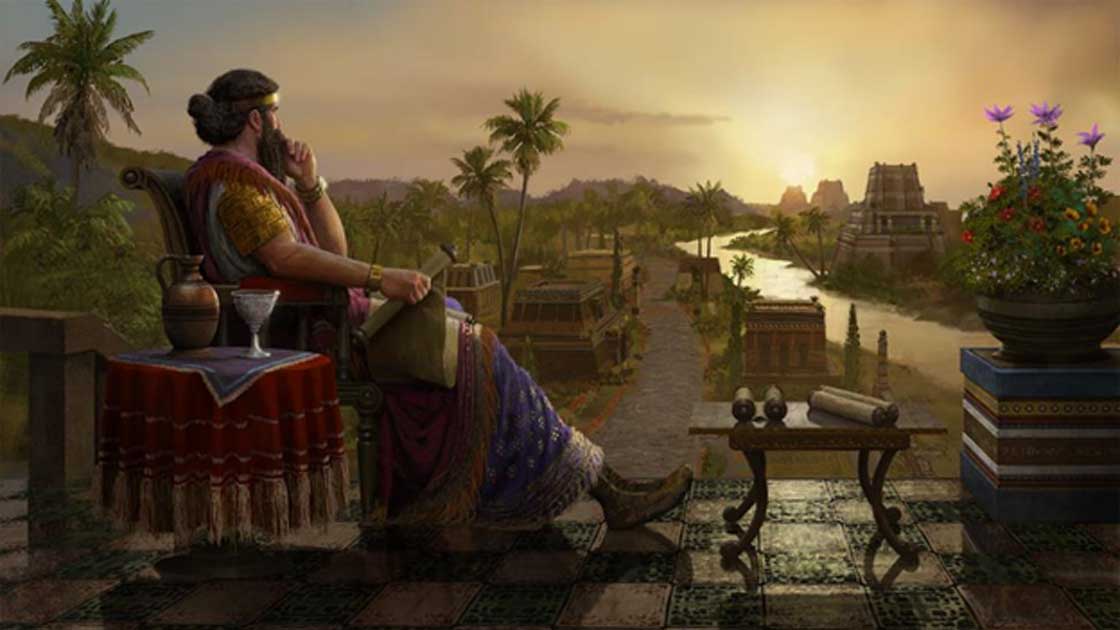
Hezeret was His name, the last city-king of Nhir. Any who would call himself an Ûzurenid claims direct lineage back to Him, and many are such men, priests and nobles and the like, for the God-King took many wives and many concubines when he had ended the other city-states and their would-be warlords. Past were the days of bickering over wheat fields and lengths of riverbank; His great vanquishing started with the nearby Simil-sumir, then Limtuk, the rest falling not long thereafter. Old men with clay and ink under their fingernails will debate until the end of time on just how Hezeret ended this abject period in their history, of human baseness, of relentless infighting and usurpation. What they cannot dispute is that He held the favor of heaven and the Flame Imperishable; that His heart pumped royal blood from the day it was formed of the Material-Ashen. For Nhir is the schematic by which all other nations are designed. She recorded the first history, she codified the first human rights, and she has survived, through her customs and folkways, whereas her precedents have returned to the dust. She delights her Creator, or she did.
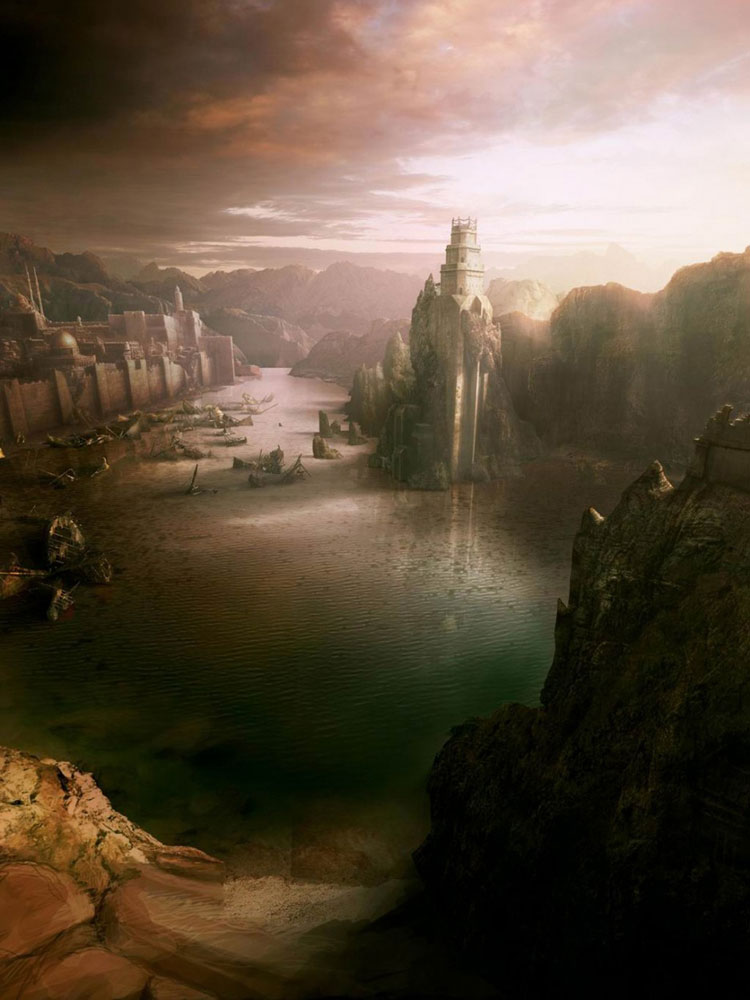
But Hezeret only laid the foundation for the state as it is now known; He only united a dozen heartlands into the one, and executed those who perpetuated the wars of brother and brother, Nhirian and Nhirian. Upon this foundation His sons have built His true legacy. Bešem-kullu III, for example, founded what is now the empire's capital, honoring his tutelary with the first temple sanctified there, and with the city's name: "True be the Words of Ilišim." His son, Kin-ulur-šarâkkur, finished the walls and palace of this, the most ambitious of the Nhirian public works (dwarfing Nhir itself), and began the construction of the new city's Sea-Gates, today the empire's first line of naval defense; its greatest singular source of wealth; a wondrous monument to the ingenuity and the glory of its architects; and a work of art, carved and painted with the reliefs of over three-hundred demons between them. Another yet of Hezeret's line, Zugil I, built the frontier-town of Ninbânnupur into the true border-march that it is today, complete with roads, wells, watchtowers, thick limestone walls, and dozens of grain stores, all of which can sustain a siege for months, and which serve admirably as the empire's first land-defense. Others still have extinguished pretender-lines. They have settled other lands. They have established suzerainties and alliances, and, of course, conquered.
Thus it is: that to inherit His forefathers' glories, and to further them, is the chief duty of any Nhirian king. Not all have proven so great, but at festival they worship all the ancestors alongside Ārtammat and His demons, owing to all in equal turns for the works of which the Nhirians still profit. Alas that they allowed their authority to wane. Whereas Nhir was once the benchmark of civilization, its God feared and its rituals upheld worldwide (whether to pay her true tribute or merely to stay her wrath), now only the puppet-states and exiled bastard lines honor the eldest traditions. Kings who once brought the Known World to heel have let it slip from their greasy, goblet-gripping fingers; their inheritance rots like a garden of unpicked vegetables.
It should come as no surprise that King Mneššebnar V aims to restore the name back to the glory which the third and fourth and their ilk had allowed to decay and decline. He wants it to strike terror from the tongue, like sparks from steel, as it did in centuries past; the conqueror's fire has swept over his soul, the very same perhaps as which consumed Hezeret so long ago. This is not curious for one who has inherited an empire past its golden age. No, what is odd is how He aims to re-earn his long-due respect: by leading the most ambitious land-conquest in the Nhirians' history, over the largest single territory and the most perilous terrain. His predecessors never dreamed or attempted such a feat, never mind achieved it, and He Himself is certainly no seasoned warlord like the primogen was. But already Mneššebnar has marched on the Thraxians, bringing His idea of civilization with Him. The steep, sheer cliffs and deep fjords stopped His cataphracts once, but He will not be so hindered again; not while His enemy still recovers from the first assault, and not while Ārtammat, the Flame Everlasting, favors the gifts His son contributes.
Mneššebnar, meanwhile, has been reforming His army, which was already said to be the strongest in the world; and gathering talented advisors, said to be the wisest philosophers and the generals of greatest esteem. As High Priest the King also prays, recites, and invokes, and stacks high the altars with wheat and flesh. Yet while the army visibly swells its ranks and improves its tactics, the favor of heaven is not so evident. Only future fortunes will tell whether these sacrifices have earned the blessings of the First Father. He may graciously accept the Nhirians' offerings and efforts; or, thinking them sanctimonious, He may yet give them over to to the cruel infinity beyond, whose name is Matra Qazru.
Matra Qazru—this name belongs to the Devouring Darkness Himself, but it is synonymous too with what He represents: death instead of life; hate instead of love; barbarism instead of civility. And for Nhir's empire to succumb to these forces would be the worst destiny they could imagine, they who have ruled so long, and achieved so much, sure that they will live forever and inherit all creation.
Advantages
Disadvantages
Nhirians field the heaviest cavalry on the map, and some of the heaviest infantry too.
Equipment, training, and discipline together forge a serious and deadly center line; these professional soldiers are nigh unbroken from the fore.
Archers are paired with lightweight sparabara skirmishers, protecting them from enemy missiles.
The Nhirian heavy elites, the Ardent Host (from whom the royal guard is also drawn), do battle with eager hearts and iron wills, believing their ruler a god, His causes always righteous.
The Nhirians pioneered shock-tactics. At great cost to their finest troops they have earned uncountable victories.
Whereas the center line is rigid and hard-broken, the flanks are thin and easily outmaneuvered.
Nhir is slow to replenish its ranks, for much time and money and many resources are needed to train the world's finest from fresh stock. This is particularly true of the archers, who are two men to a bow.
Sparabaras and archers don't fare well in the mêlée; nor do cataphracts and the Ardent Host on unruly terrain.
If a Gwidlic boy thirsts for glory or good fortune then he takes to the sea; if he be a sloth, or a coward, then his women will spurn him there. "How useless are you," his mother may say, or his betrothed, "that you drink near the fire while the other boys bring back ivory and jewels?" He will know then what he must do, and from what indignities he must save his name. He sells his dagger and his boyhood trinkets to buy a spearhook. If he comes back, he comes back a man, certainly; a hero, sometimes; a king, if a certain rare fate so favors him; a slayer of gods.
The land rewards the hardworking Gwidling, too, of course. They stalk game with bow and arrow; they forage their forests; they net the bogs for iron, and pull up minerals from the skin of the earth: nickel, jet, coal, amber-gold. But these are the realms of old, fearful men, men who have lost their luck and whose spirits have gone to ash. The sea belongs to those with spirits still ablaze. It makes fishermen of the smallest of them. Many again are traders in fat times and plunderers in lean, buying meat or stealing it from other lands when their own has yielded none, taking only enough slaves to see their chores done back home. A decent living is always easy to earn on the lakes and rivers, too: the demand never dries up for young, strong workers to portage ships, loaded with casks and weapons, from water to water. But the greatest of these men, the ones with infernos inside, they go hunting.
Inside a Gwidlic king's roundhall. Each shield, painted with its respective sigil and colors, represents a nobleman who has sworn himself and his domain into fealty, being stricken from the wall only to symbolize the most severe betrayals, including oathbreakage, treason, and unlawful murder. (Lesser crimes may see the shield marked with a black ink until its lord has redeemed his honor and paid the appropriate debts.) The hearth, being at the center of the hall, represents its central role within the community, as a gathering place both for warmth and for justice; the columns are carved with runes and idols honoring benevolent gods. ________________________________________
The beaches may offer the first good omen: a piece of amber-grey washed ashore. It tells that the storms bring glory, for their princes stir below. The Gwidlings set out in strong morale, singing while they row, telling stories of their fathers' and grandfathers' hunts of yore as they settle into their sealskin blankets that night. This first of nights is the proving night, so these will be tall tales, even satires; the shivers are setting in now, from the cold and the fear alike, and the fledgling crewmen have need of their smiles still.
Days will have passed when this crew, already quite brotherly, has caught glance of its first fin; or of a great mad eye set in a regal brow, an abyssal jaw, for many and motley are the deep-terrors. Their captain, well-seasoned and bearing proudly his scars, has led their ship through many a labyrinth, whirlpools and riptides and rocks and pearly glaciers, but even he is awed with this monster, despite that it may be his tenth battle or his fiftieth against this wildest of the four seas. "There! There!" cries he, or whosoever he had placed at the prow as watch, and the men take up their polearms and cordage in a blink. These be minor gods, as gods go, but deific nonetheless; crafted of their bones are the strongest tools and shelters; an oil is rendered of their bellies which burns brighter, hotter, and longer than any peat or hardwood; these leviathans even defecate wealth, for the Gwidlings will skim their bowels of that same grey amber, which southern ladies use to maintain the smoothness and perfuming of their skin; but the flesh! Be it the richest and oiliest food in the north, and served in such quantities to nourish a village for months.
As for the ivories, pride of the Gwidlings though they may be, hanging from their ears and necks and fingers in such hues as to rival the fairness of their skin, no single piece has ever surpassed the seat of the Beducian king, said to be carved of one terrible, twisted tusk. The Beducars were another petty kingdom not so long ago, but Letheoric the Younger is said to have bested a beast so great that its singular slaughter ended a winter famine under which his people's doom was thought certain. He returned not only with this abundance of meat and oil, but with this greatest of all the sea-trophies, and with assurance, perhaps from the very sea-god he slew, that his line would carve a throne of it. From this throne his line would forge a land belonging to all the Gwidlic peoples, and a dynasty to rule it. Overthrowing the previous king was not at all difficult under such circumstances; Letheoric God-Eater was the hero of his people and they took the enormous ivory as proof that he had been chosen to fell far greater foes than he had as a mere chieftain.
Fate has backed their boasting so far. King Bódlo rules as the third Lethengian, and he has nearly finished the work his grandfather started. Only a few kingdoms-minor continue to resist the total dominion of the Greater Gwidlic Kingdom (previously the Beducian Empire) over the Pearled Sea and its fairhair champions. Although these territories have proven troublesome, within his borders Bódlo has founded a relative peace and stability for his subjects. He was quick to quell the revolts which come with any king's rise to power, and he has only expanded the system of law which helped Letheoric in reconciling the fractured kingdoms' many disagreements. Duels and pitched feuds are now fought on the many islands along the coasts, for example, where they cannot disrupt the routines and productivity of civilized life. Bódlo has also ended the sacrifice of freedmen and slaves to the bogs, decreeing that all of his loyal citizens, regardless of status, deserve a true water-burial (if in a lesser body, as in a lake or a river). The bogs he has reserved for his dearest enemies only, though who be these enemies will not be so obvious for very much longer.
Unification of the Gwidlings seems certain. But what will become of this fledgling faction when it has reached this crucial moment? Rumors tell of Bódlo's ambitions stretching further, into a distant north where the winters are white and the seas are locked in ice. Or will he turn his gaze to his nearer neighbors, who worship the clay and the mountains as he worships the fruits of the sea? Maybe another foe, greater and far more ancient than he, will elude him, until they have already arrived at his borders, hungering for the glories that he has managed to build among the strife and the storms.
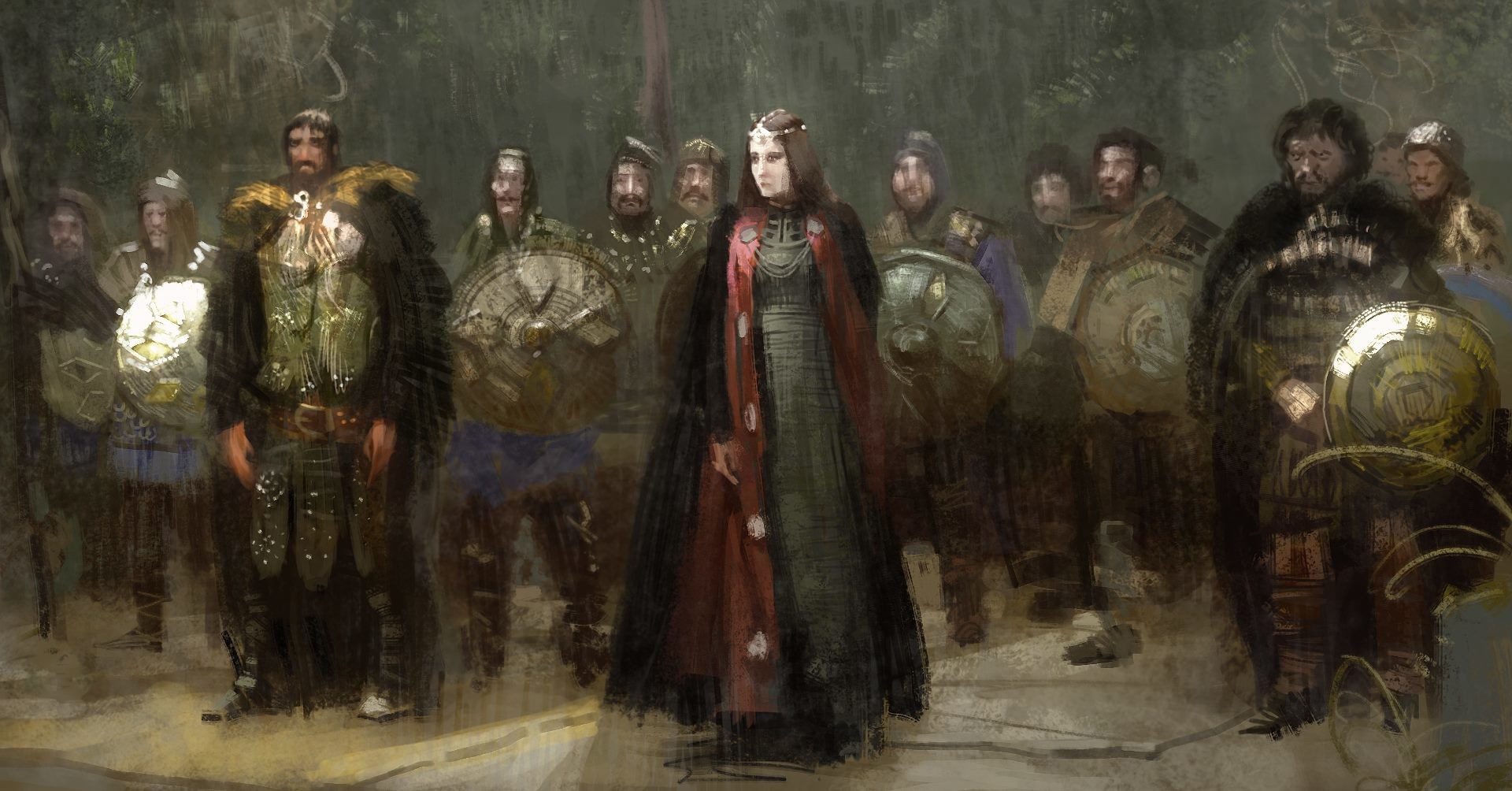
Cithica, Queen of the Othogots, with attendants.
Advantages
Disadvantages
Beducish knights are the finest heavy infantry any barbarian faction can boast; perhaps the finest worldwide, man to man. They have great armor, good training, strong morale, and long weapons, suiting them both for charging their foe and for resisting a charge.
Infantry in general boasts a superior grade of armor and training. Gwidlic warriors can fight either on land or at sea, on cramped decks or the open field.
Even Gwidlic archers make acceptable infantrymen in a pinch, though mostly due to their good equipment.
Most men boast archery skills, either as a profession or as part of the king's militia training.
Low mobility. Gwidlings tire themselves easily under their heavy equipment.
Though more Gwidlings wear iron than warriors of other nations, theirs is softer and of inferior quality to the irons extracted from other lands.
Only knights have any practical access to cavalry. The terrain doesn't suit horses, so they are a status symbol at best for most warlords.
Archers are the riffraff of an army: boys and elders too weak to withstand frontline fighting.
The strength of the Gwidlic levy is more dependent than most on the seasons and their yields. As few Gwidlings are farmers, a badly timed war creates a weaker, hungrier main force; and many of them will desert back to their steads if their families need them more than the king does.
There stands a shrine for every fallen Sarsinid whose sacrifice is worth remembering; a dozen shrines for every hero among them, his deeds venerated in song and reiterated on the battlefield. As for Acamydos, the Deliverer, he is worshiped in every home, with every kind of charm and altar and idol, from the land's edge to its tallest peak. For without him there would be no Sarsis, which in the language of its dwellers means "respite"; a word very much lost in translation, comprising all the land which provides them with steed and stead; house and home. It was he who led them from famine unto bounty and from persecution, from land and man alike, unto a nation of their own.
Across the River Pyrhos and the Shackling Sea they hold a different repute, however, from their much-favored hero: for treachery, kinslaying. The best of them, at least in the public eye, are loyal to gold, or maybe to a tight-knit group of outriders; the worst, to themselves and their beasts alone, to the idea of war itself, so drunk on it that they forget why they fight at all. But this is not the whole truth of it. Only those with no grand aspirations whatever can depart from Sarsis and never return, having scarcely tasted its strife of a hundred little kings. These travelers will take whatever work they can find with their quite specialized skills, and although many of them do become mercenaries, they are scouts and couriers and honest huntsmen as well; if the locals allow it. They are more than pleased to line the Sarsinid's palms with silver when it suits them, but the smell on him is unmistakable: of dung, of soured milk, and of blood. No more trustworthiness has ever been assumed of him than a coin or two can buy.
As for those who don't leave, they too are wanderers, living and dying by the pastures to which they lead their herds. The horse is their milk and jerky; the skins of their drums and the strings of their lutes; their mount. Ergo it is, all at once, a companion, a weapon, a vehicle, a sustenance, and a song. The boy's horse will carry him into manhood as he makes his pilgrimage to the three greatest shrines of the realm (representing the harmony between god, man, and nature, via their chief deity, their heroes, and the scourge of their first homeland, respectively), and then this same horse will carry him into battle, sometimes even to his pyre. And all the while the rider's whole purpose lays in bringing the animal to the tallest and greenest grasses. He will win it from those already grazing there; fertilize the grass with their blood, if it comes to that, which oft it does. They're hardy warriors here, man and girl alike. They like bows and spears the best, softening an enemy with missiles before sending in the charge. And where the grass grows best they are sure to be squabbling.
He would lead a horde two hundred thousand strong who unites the clans, unprecedented and unstoppable. They could seize whatever part of the world they favored best, as large and plentiful as their hunger for power. This is proved in that Sarsis, the fluid and shifting nation by now we know it, has never been conquered. They have a saying here: "the stranger's sword spills hoofglue," and it rings true in all the alliances ever conjured up between chiefs on the eve before a battle, all the grudges ever forgotten, if only temporarily. For only the foreign invader has managed to unite the clans, whereas upon each other they fracture again like ill-quenched iron upon an oaken shield. They have many enemies, cruel and countless, but few fool enough to challenge them on their native plains, where several good commanders of yore have been humiliated, several masterwork armies crumpled, by the horselords' greater hatred for the encroacher than for each other. The thundering hooves of even a thousand chargers are subject of many songs, sometimes in abject admiration, more often as a faceless plague come to torture a more civilized folk.
They show the world much mercy, in their way: first, that they are poor engineers, erecting structures of wood and rotting rope which will scarcely serve a generation, if that. Sometimes their bridges fall even before an entire horde has crossed. (Only Acamydos's bridge still stands, centuries later.) And never has a Sarsinid ship seen the breadth of the Shackling Sea; they take water faster than a drunkard's cup. Second: that they squander their men and beasts on inconsequential skirmishes, their ambitions on bits of leaf. But few would dare try their luck, nonetheless, on their grazing lands. The Sarsinids may fear open water, and the aridity of the Screaming Sands, and even many passes through their own Kharakhis mountains, but to the armies of the enemy they will never, ever yield. Their cloaks of horsehair and human scalps will testify, that ultimately, these stinking swarms carry and kindle within their hearts the same flame as any other people: to eat, to prosper, to tell stories, and to give their sons a legacy which will never turn barren.
Advantages
Disadvantages
The best mounted archers on the map.
Fantastic lancers.
Cannot be sieged; the Sarsinids live on their herds, and their herds live on endless miles of grassland. On their home territory they will wage, and win, a war of attrition against near any foe.
Guerilla and harassing tactics support a terrifying main charge.
Excellent scouts, trackers, light cavalry etc.
They move quickly despite their large and unwieldy baggage trains. Their yurts can be packed up in minutes.
Only basic infantry support; fighting on foot is the domain of boys, elders, and those shameful men with no more beasts left to ride.
Need appropriate terrain to fight: relatively flat and featureless, with plenty of low foliage for grazing. The Sarsinids fear the Screaming Sands in particular for how the desert starves and squanders their herds, a lesson they have learned well.
Their supply lines are short and feeble. They must either graze the land they conquer or carry all their food with them, severely limiting expansion.
A Sarsinid's family is never far from the battle; the baggage train is always vulnerable to attack, if he is not wary.
Nothing short of a miracle could have created the Mesphoth River and the valleys which follow its lengths. These slivers of black mud, the sweetest and most fecund in the world, are like the smear of luscious butter down the middle of an arid bread. West are the Dusklands, the hell-province ruled by cruel forces and outcast gods, each of them a hateful and evil crasftsman, fashioning his legions after the nightmares of man; east, a more familiar hell, almost pleasant by compare. The mirages comfort a dying man's mind. The earth is soft and shifting under his weight, cradling his body to sleep like blankets of golden silk.
People have always had an ambivalent relationship with Ptetho-kwsek, "The Screaming Sands." This desert is simultaneously their destroyer and their savior. Countless die within its borders, but countless again could live nowhere else.
If a conqueror would take Nekhermis, the capital of the Eshkheps, he would send ships sure enough to blockade the ports; but he need send an army, too, on foot and in chariots, to burn the wheat outside the walls, and to poison the river. The desert has prevented this time and again (every time but once, in fact). Sarsinid generals, thinking they are invincible if they can but reach the cities and batter down their doors and break into the storehouses, have learned the true meaning of apathy when the land gives them no water, no grasses; and ten thousand horses collapse, then their ten thousand riders soon after, who had dreamt only of seeing the Kharakhis once more. Pureblood Nhirians will never serve their empire again who were sent to the lowermost corner of the world to unfurl its banner there and further its glory. Even refugees receive no kindness; the bladed winds reach the fleeing Jalwarudi where the tasseled swords of their enemies cannot. The elements do not think nor feel nor regret. They only shift as they will, blind to all the suffering within their borders, deaf to the shrieking of their namesake.
The Aqqiyabats keep their brides, their children, and their slaves tucked away while they brave the wastes. These noncombatants dwell at an oasis very far from the roads; in a tent-city teeming with food and decent water; or in the Nasha Valley, their paradise of legend now desolated. Its ruins are said to sit at the southernmost edge of the Screaming Sands—thus, at the edge of the world.
Even the Eshkheps beware this graveyard bordering their gardens and nurseries, despite that they are so well acquainted with the multitudes and magnitudes of its agonies—or because they are. They too must march the Ptetho-kwsek before their largest ambitions can be realized and it has proved the ruin of many a halfhearted conqueror, leading his army, already harrowed and exhausted, into the maw of a waiting foe. But not everyone fears and hates the Screaming Sands, although they have earned well their stench of death. Not all flee from their blazing touch, rather crawling over them eagily, thirstily, like lice. They are the Aqqiyabats and they laugh and sing songs as other men depart from their domain, either on their own terms or on the desert's.
The Aqqiyabats do not fight very well; no, they kill in other ways. They are not a professional army but they also needn't be; they "advance" by running away, and the desert harries their foe. They are a subtle presence on the battlefield, while the wolves and the buzzards wreak death with spear-teeth and sword-talons. When these men do fight it is only on their terms: on the right ground, by the right light of the heavens.
The nations know them firstly as the bandits who menace the roads, those veins of civilization running through a frontier body. They startle at the red and black robes just as their horses do at the snort and the stench of the Aqqiyabats' camels. But these are merely images, aspects. The reality comes at their caravans with flashes of cold iron, stripping the fineries and leaving behind the ruin of their broken bodies and beasts and wagons. They do take slaves sometimes, but it seems some sort of custom, maybe a religious rite, to leave meat for the other scavengers. But sometimes even the silks and jewels and casks of wine are left behind. If the gossip is to be heeded, when they are not skimming riches from the well-trodded trade routes they are walking the subtlest of the sands; leaving no footprints, and no other evidence, either, of their having been there, like a storm dried up. The Nhirian and Eshkhep Empires take them on as assassins, it is said, and few can refute; who better to open a throat than the man who goes unnoticed until he has already arrived, and who retreats again into the wastes as easily as rain into dry soil?
The nomads probably have craftsmen and artists just like a people any other. Scholars and scribes might follow in their ranks, drawing up maps of their oasis networks, immortalizing the stories of women and children who the rest of the world have not met nor even seen, hidden within the deepest enclaves of the Sands. But these honest and decent Aqqiyabats are buried here like honest and decent folks are buried everywhere else: under the sands of time, under the shadows of kings and killers. They have given the world no kings, but killers aplenty, for if hard lands breed hard creatures then this is the land of jackals: those of four legs and those of two.
Preview: This is what a nation looks like when Nhirians have conquered it wholesale: the old ways squashed, repressed, or, in some cases, beaten and warped to fit in with the new. For example, Matra Qazru is not a dragon here, but a red-eyed crocodile, patrolling the river of the dead for the errant souls of good and kind men. Some worship the old pantheon in secret, but risk great punishment in doing so.
The dynasty here, however, is a bastard line; Hamurmata, for which it is named, was exiled from Nhir, and conquered Lower Eshkhep not for glory but for saving his people from certain starvation, for nowhere else in the Sands were they safe. The Hamurmids claim their primogen defeated the city of Nekhermis fair and square on the plains of battle, but popular knowledge insists that Nekhermis is invincible, insinuating that the conqueror cheated his way inside.
The most recent Hamurmid, son of a forsaken wife and half-brother to the true heirs, has violently deposed his father, continuing the Neo-Nhirians' tradition of tarnishing the name of the true-bloods, but also possessing their own brand of low cunning.
Preview: Like the Sarsinids, the Jalwarudi are pastoralist nomads. Unlike the Sarsinids they herd cattle rather than horses, and are quite peaceful rather than warlike. The results are quite predictable: they are easily vanquished, and their ancestral homeland is rife with raiders and slavers. More and more Jalwarudi are being driven south, toward the mountains and the ruins of the old kingdoms, both said to be cursed. How much desperation and suffering can a single people survive?
Preview: This nation bows to Nhir as a suzerain rather than as a liege. It seats its own kings and fields its own armies, but pays tribute to its larger neighbor. In theory Nhir should be protecting Hitravata in return, but they seldom cross the sea to do so. Perhaps they fear the Sarsinids to the south, or whatever dark secrets may hide in the mountains.
Preview: In times of peace and plenty they herd sheep, goats, and other livestock, and carry their weapons solely to defend these flocks from wolves. But when the bounties dry up and their children hunger, these islanders set off on ships, and join the ranks of the world's most famous mercenaries. Such is their skill with bow, sling, and javelin that most seafaring nations have built their own ports here (with the Velucian king's permission, of course) just to buy them out before their rivals can, for these are the choicest light infantrymen and skirmishers in the world, training with their weapons nearly from birth to protect their livestock from wolves.
Ironically, these islands are the most peaceful place in the wartorn Silken Sea; the different nations manage to coexist here, even as prices fluctuate and as tensions swell on the main shores. They can even wander into each other's ports relatively without incident, trader and soldier alike.
Preview: A red-haired, grey-eyed people of the Thraxian mountains and the lying valleys. They are most famous for their pottery, for their public works are small, their ambitions petty, their armies scarcely more than a swarm. But they have proven to have a will of iron, and a surprising penchant for politics, despite having no kingdom of their own. Their poets and storytellers are known the world over, well-practiced in memorizing whole sagas, and these castes of men are welcome wherever they go. The rest, however, are viewed as bloodthirsty savages.
They worship animistic gods and spirits, and do, indeed, have a keen thirst for sacrifice. Most sacrifices are fed to the bogs along with casks of mead and butter.

 Mole
Mole sassy1085
 sillykins
 Ammokkx
 Mjolnir
 Stanifly
 SkyeOfStars
 Neziul
 JJ Doe
 Lurking Krog